Nisyros: giving in to addiction

Some places are addictive.  Nisyros is one of them.

My wife and I visited the island first on a day trip by high speed cat from nearby Tilos in 2001.  Along with the herd we took the bus to The Volcano, grinding its way up laboriously before eliciting an involuntary ‘Wow! from everyone as it reached the top of the climb and suddenly the 3-kilometre-long caldera came into view far below, the crater hazy in the distance.  Then the long zigzag descent and a race across the caldera floor to the taverna at the lip of the  largest of the active craters, Alexandros.

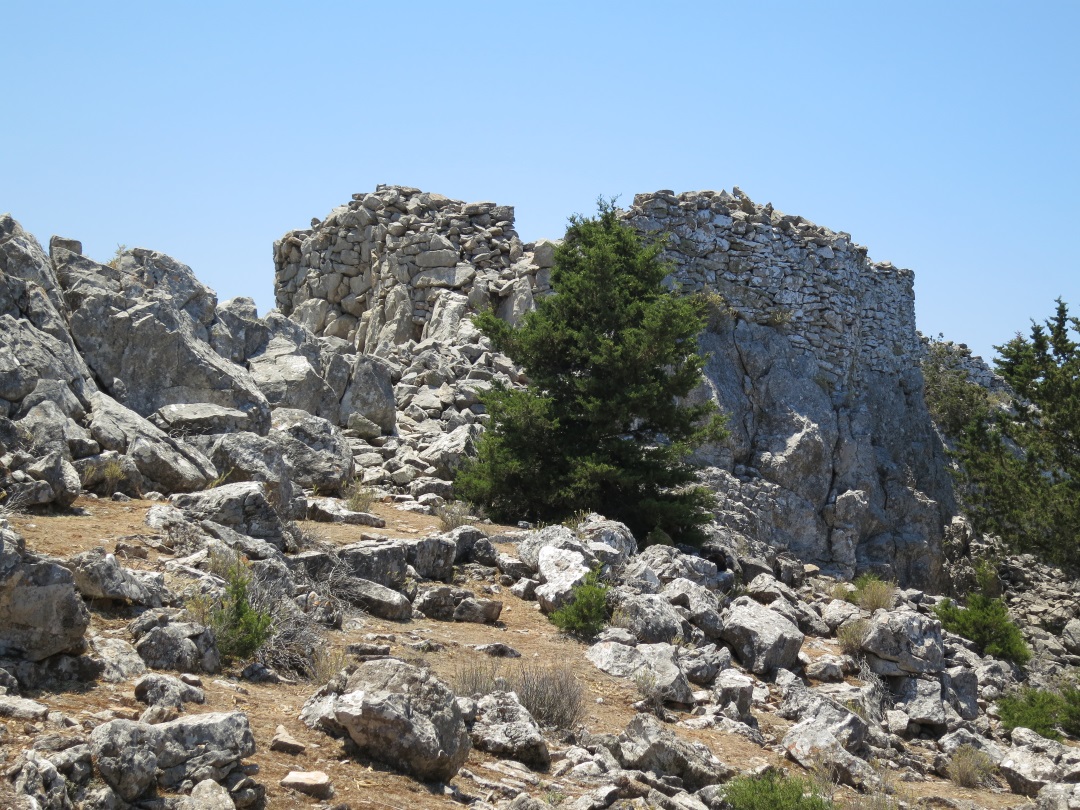
Only an hour to soak it all in and expend two rolls of 36-exposure Ektachrome film before the return to the harbour, let loose on the town to spend our hard earned in shops, tavernas and restaurants.  Which we didn’t.  Instead we ambled upwards out of the town and somehow found ourselves at the Paleocastro, by far the most dramatic castle/fortress I’ve been to bar none, including all the Welsh castles, French chateaux and the much vaunted Mycenae.  Another roll of film.

We were hooked. Every year after that we stayed longer, explored on foot using a very good diagrammatic map, finding more amazing sights each visit.  When I had to travel on my own, starting in 2010, I stayed a month at a time and continued to find places and land-forms I had never seen before.  Until last year when I didn’t make it back, spending all my time exploring off-piste Symi with brief visits to Kalymnos and Tilos.

Like any addict deprived of a fix I have been suffering withdrawal symptoms.  So since I arrived on the island a few days ago I have been pushing the limits of my fading acclimatisation to the heat and loss of fitness after a few weeks in Grey Britain.  Arguably I pushed myself harder than I should.  Like when I was approaching 30 and rushing around climbing mountains which I was convinced I would never climb again because I would be past it. But this time it was just trying to sate my addiction for the place, soak it in, osmosis.

The treks were familiar but as freshly and powerfully evocative as the first time.

Like north Cornwall and the Dingle Peninsula, the landscape, the ground whispers the past.  I try to listen but can’t make much out.   Unremitting toil, struggle, survival decided by climate and volcanic eruptions, forces of nature, things beyond control.   I have to keep revisiting, hoping I will make out a little more each time.

I get the feeling that there is more respect for the past on Nisyros than some other islands.   The Paleocastro has been further excavated and partly restored.  Old rural buildings are being renovated.  Terraced fields are being brought back into cultivation.  Kalderimia and footpaths are being cleared and repaired.

I’m here for 3 weeks before moving on to Kalymnos. For now just a few images as a taster.

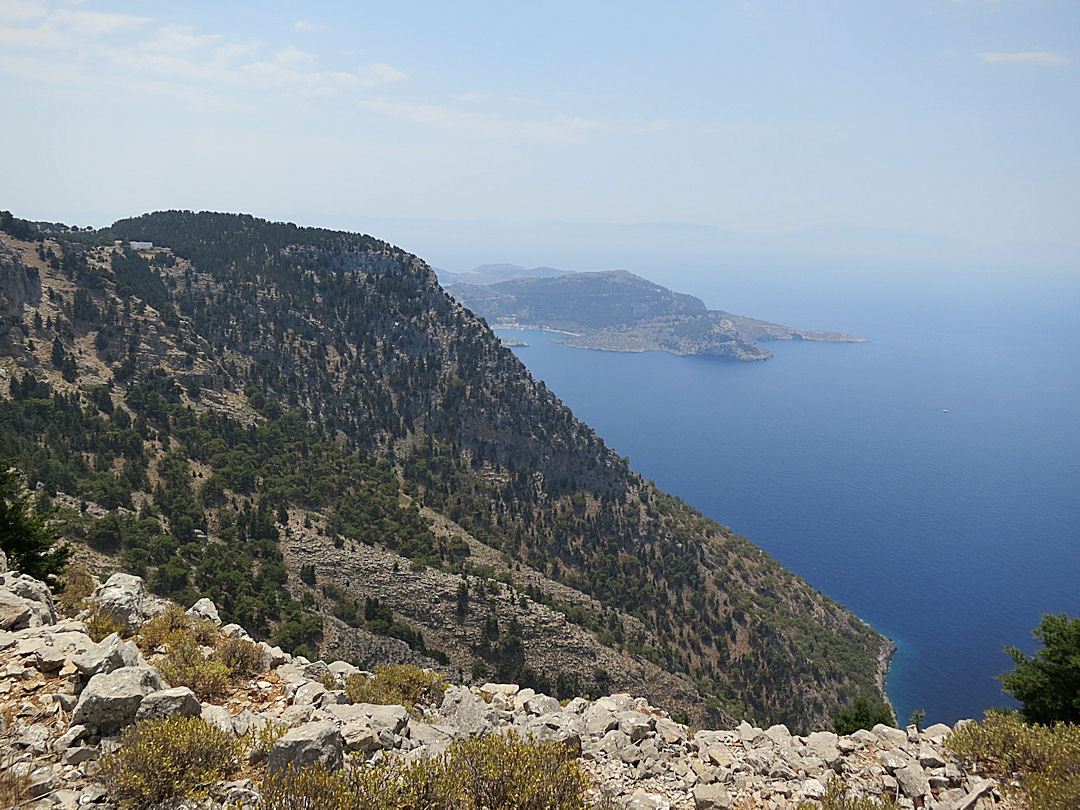
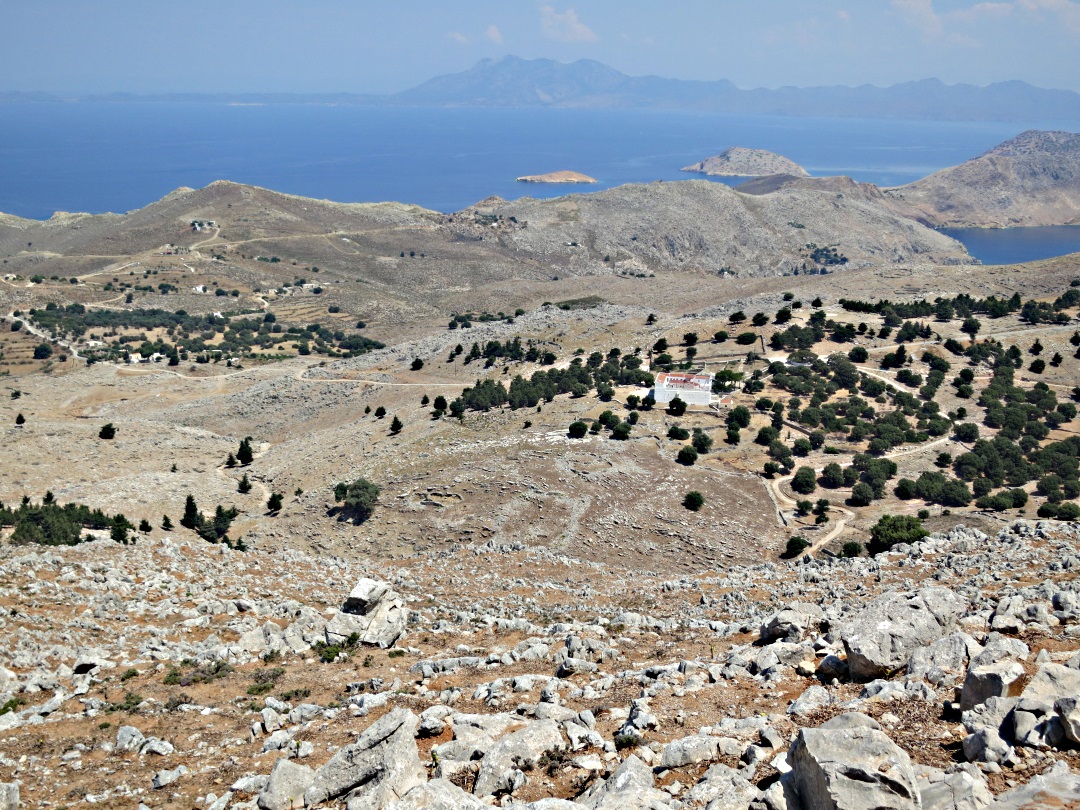
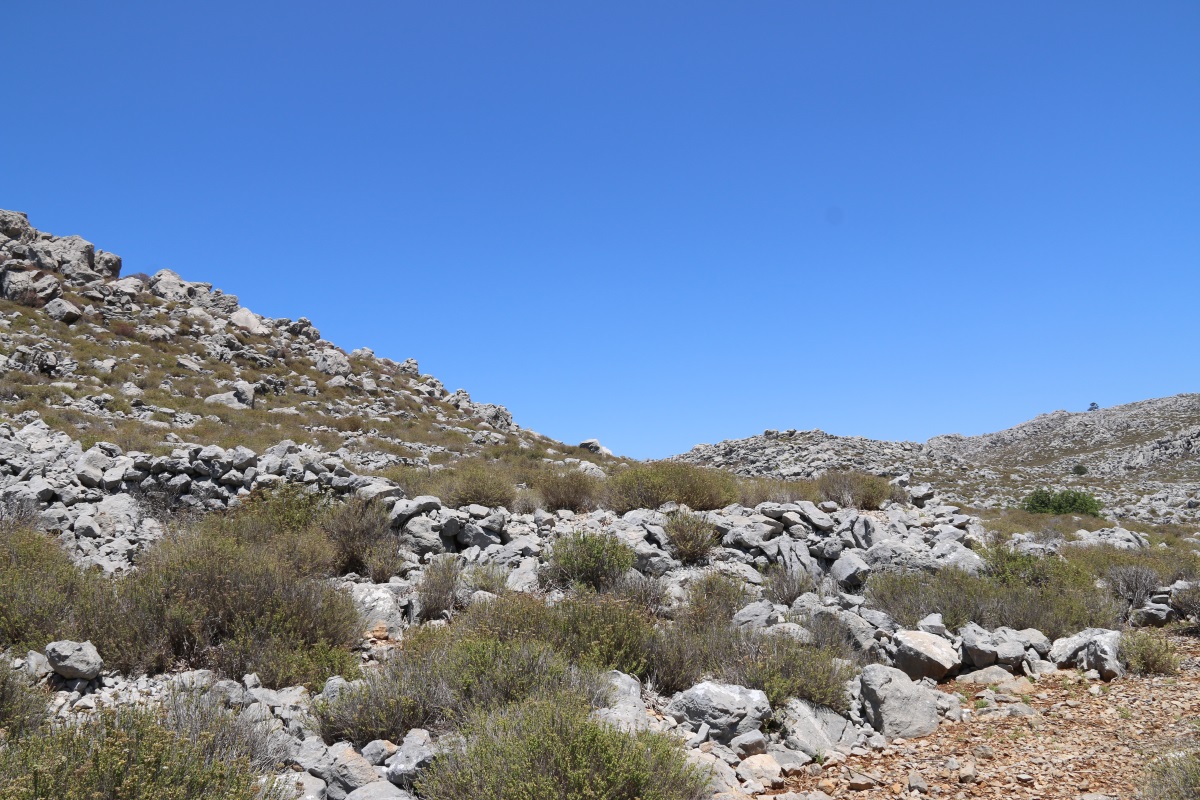
Looking along the length of the caldera from the entrance to the castle and monastery at Emborios.
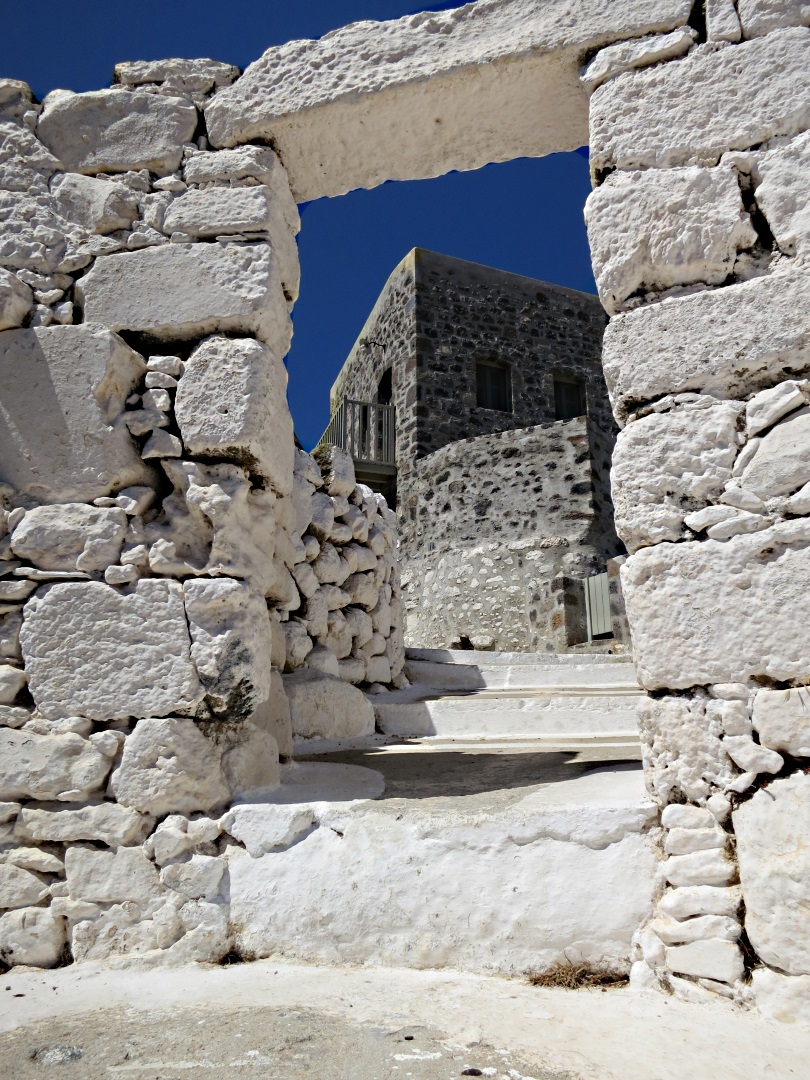
Looking along the length of the caldera from the entrance to the castle and monastery at Emborios.

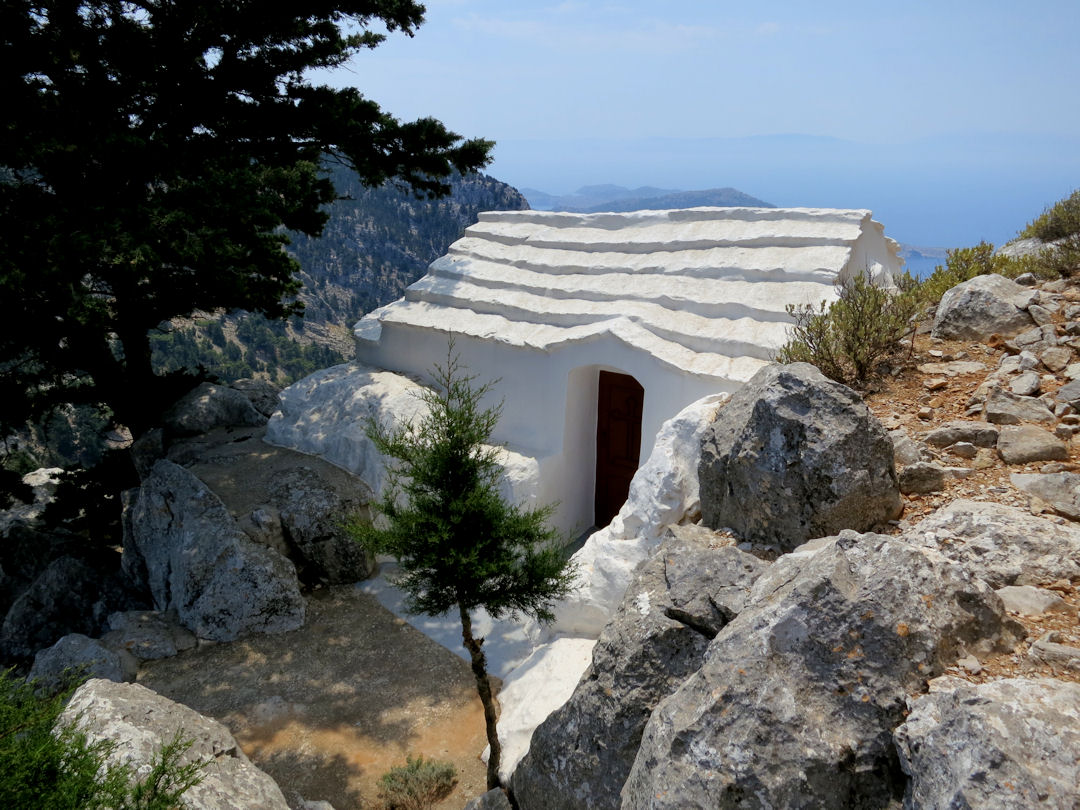
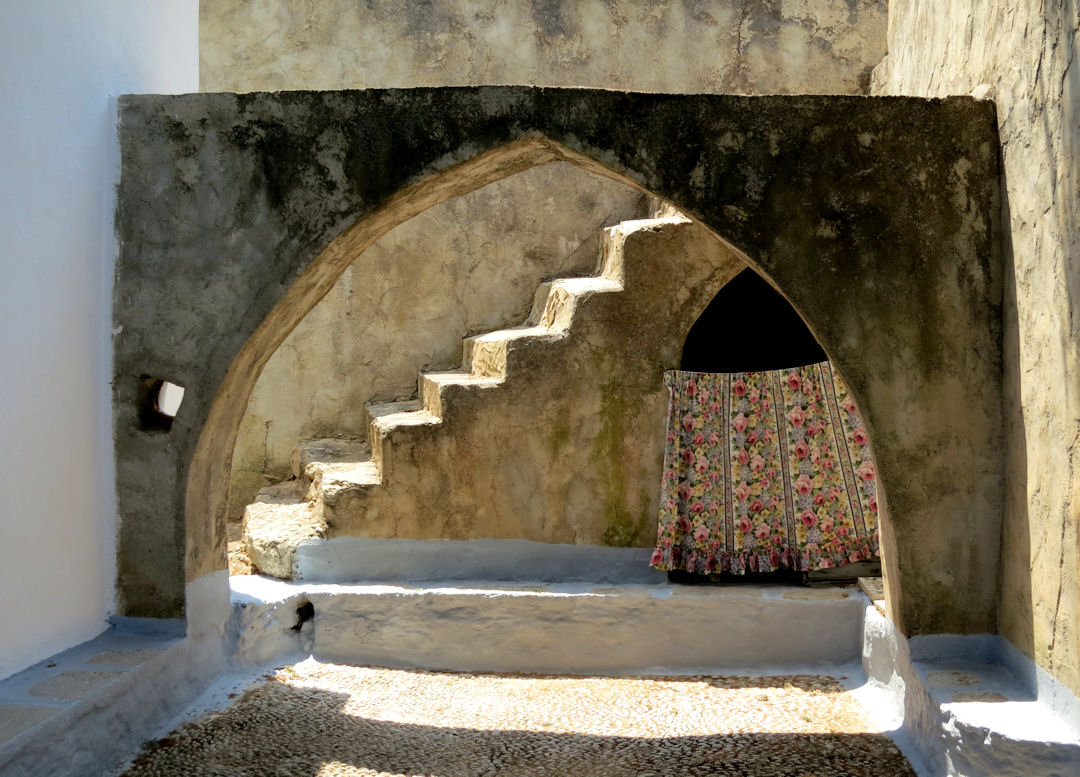
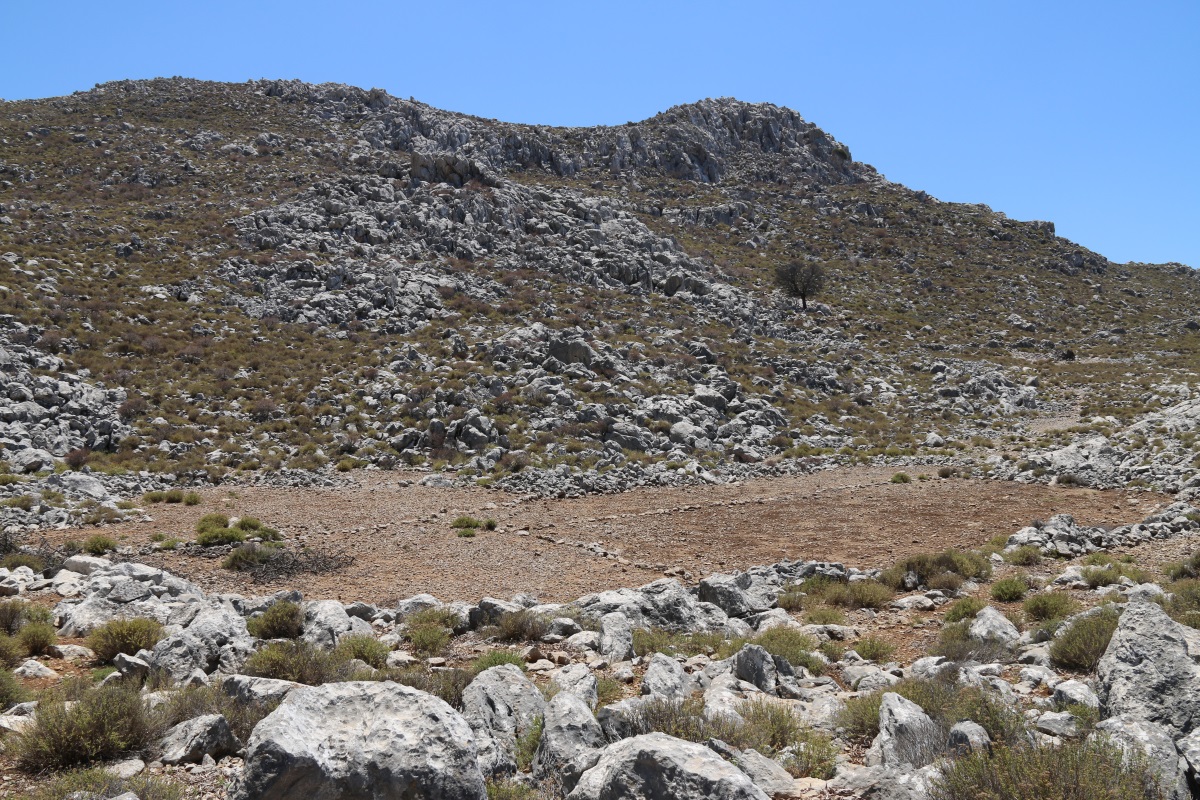
Turning round and looking the other way.  Entrances to mountain chapels in Greece are often painted white.  Two years ago I thought the castle was being renovated but it seems like it’s a house for someone with a lot of money

Turning round and looking the other way.  Entrances to mountain chapels in Greece are often painted white.  Two years ago I thought the castle was being renovated but it seems like it’s a house for someone with a lot of money

Part of the old castle which seems to have been cleared of rubble ... presumably as a source of stone for the house

Part of the old castle which seems to have been cleared of rubble … presumably as a source of stone for the house

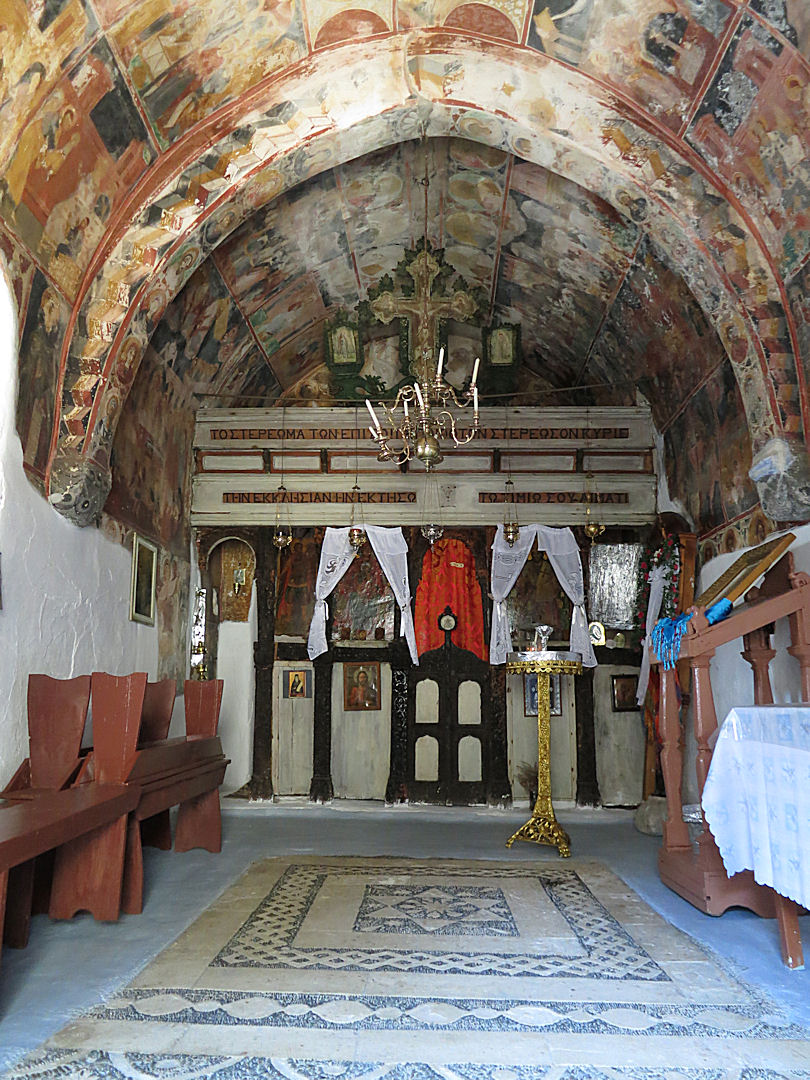
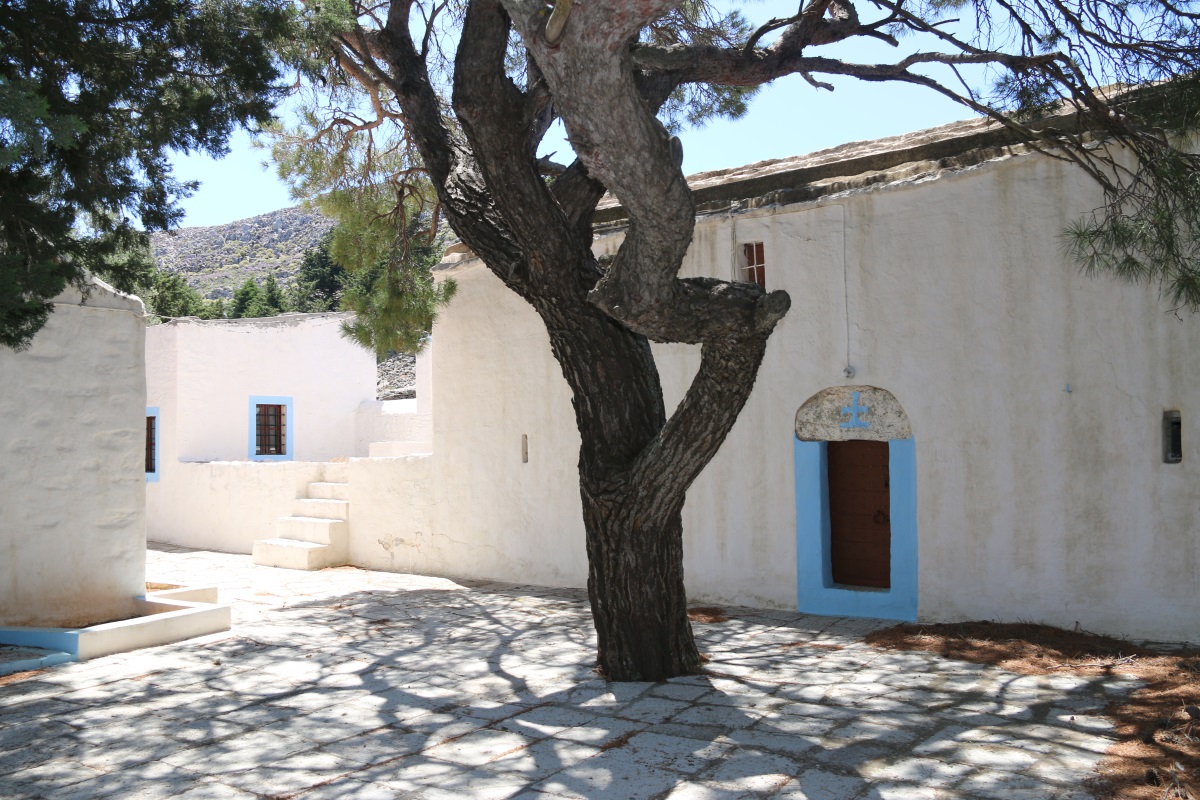
The monastery at the highest point, with spiral stairs and hochlakos (pebble mosaic) pattern in the courtyard

The monastery at the highest point, with spiral stairs and hochlakos (pebble mosaic) pattern in the courtyard

The stupendous 60-foot high lava bubble alongside the path, scale shown by my rucksack in the bottom right corner. (click on the image to enlarge).  Another high above.  Taking this shot spilled some claret!
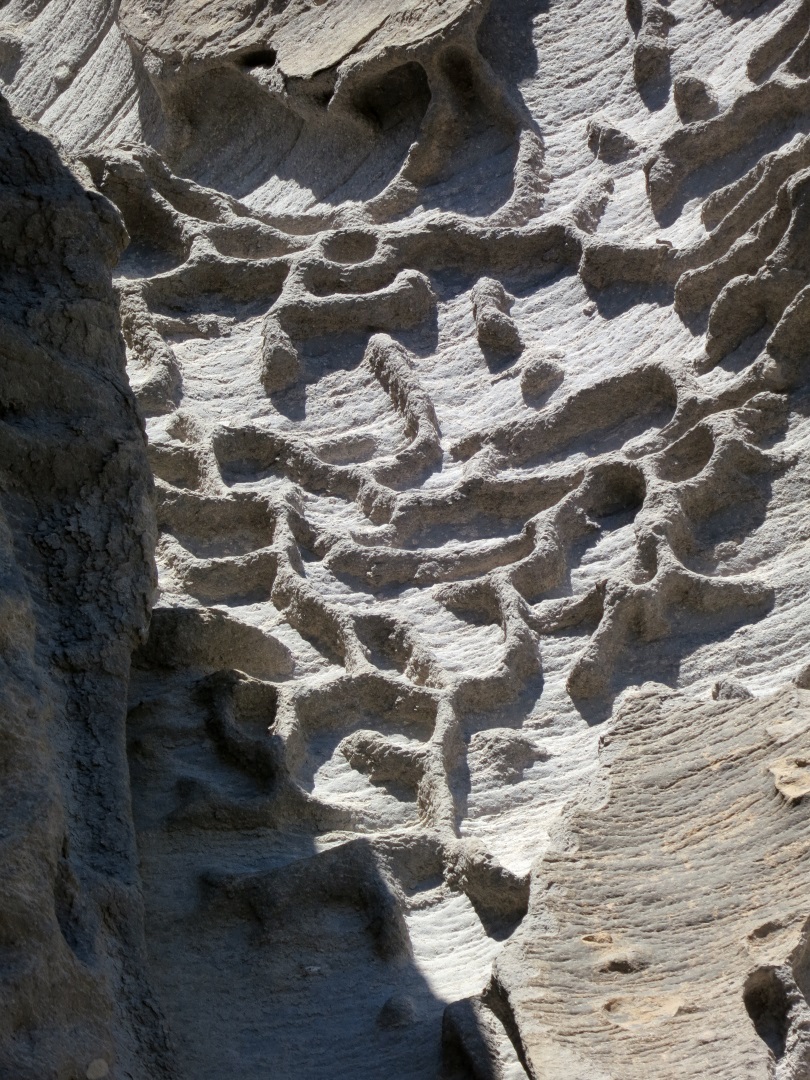
The stupendous 60-foot high lava bubble alongside the path, scale shown by my rucksack in the bottom right corner. (click on the image to enlarge).  Another high above.  Taking this shot spilled some claret!

A small portion of the inside of the lava bubble
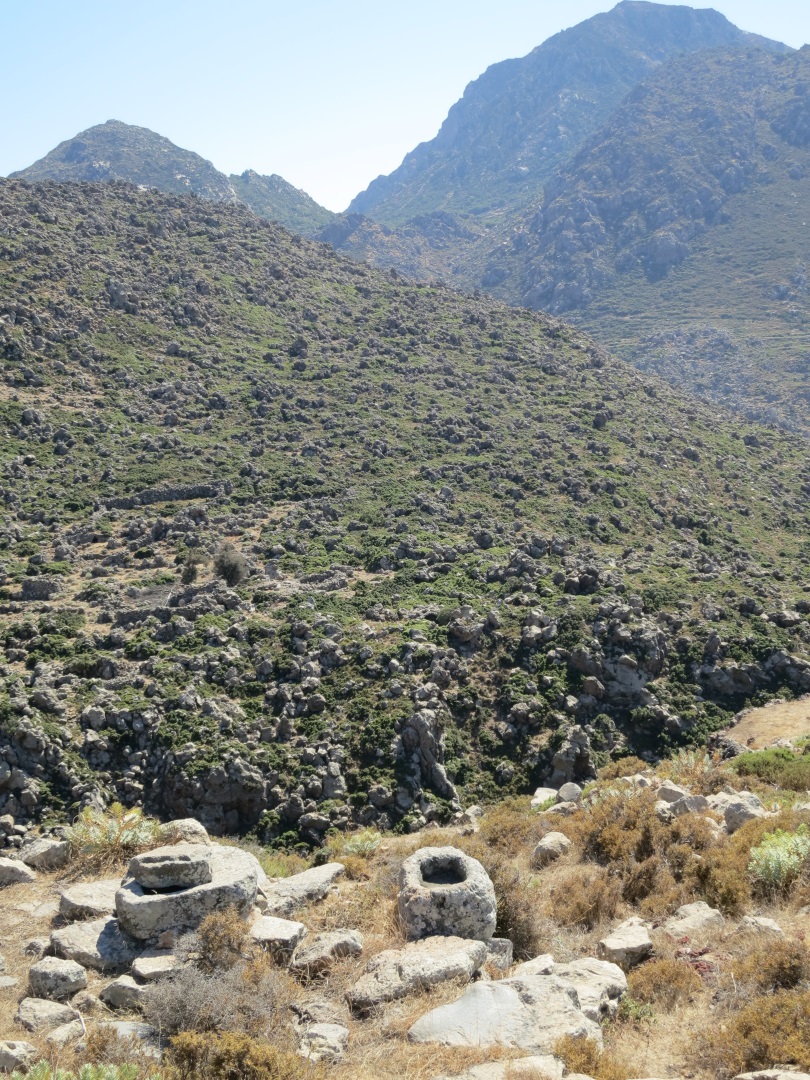
A small portion of the inside of the lava bubble

High in the col between two caldera, the top of a cistern covered by a stone and a small basin carved out of rock  People lived here.
High in the col between two caldera, the top of a cistern covered by a stone and a small basin carved out of rock  People lived here.

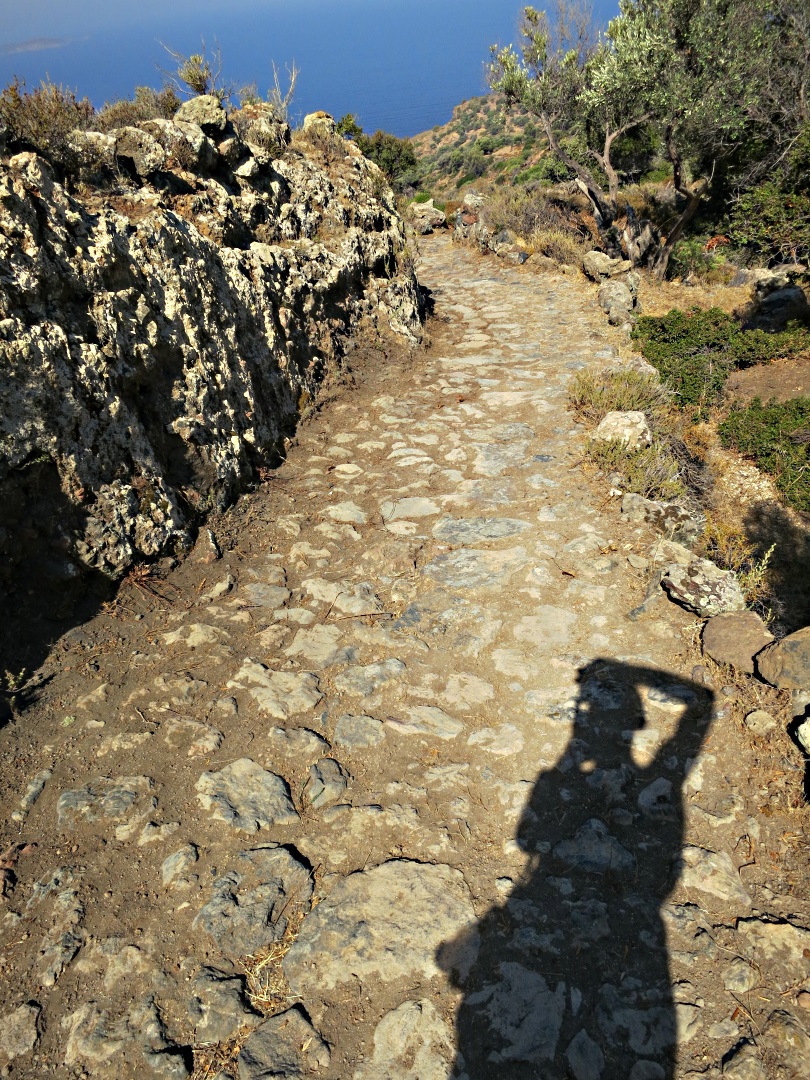
Photographer  with  an example of well preserved and recently maintained paved kalderimi (mule track)

Photographer  with  an example of well preserved and recently maintained paved kalderimi (mule track)

Shallow cave walled up to make a dwelling in the rocks.  Note the substantial lintel and door frame.

Shallow cave walled up to make a dwelling in the rocks.  Note the substantial lintel and door frame.

There are many old stone houses inside the main caldera, here looking across the top of three of them towards the still active crater.

There are many old stone houses inside the main caldera, here looking across the top of three of them towards the still active crater.

.... and inside the barrel-arch construction is the reason that they survive for centuries despite tremors and eruptions
…. and inside the barrel-arch construction is the reason that they survive for centuries despite tremors and eruptions

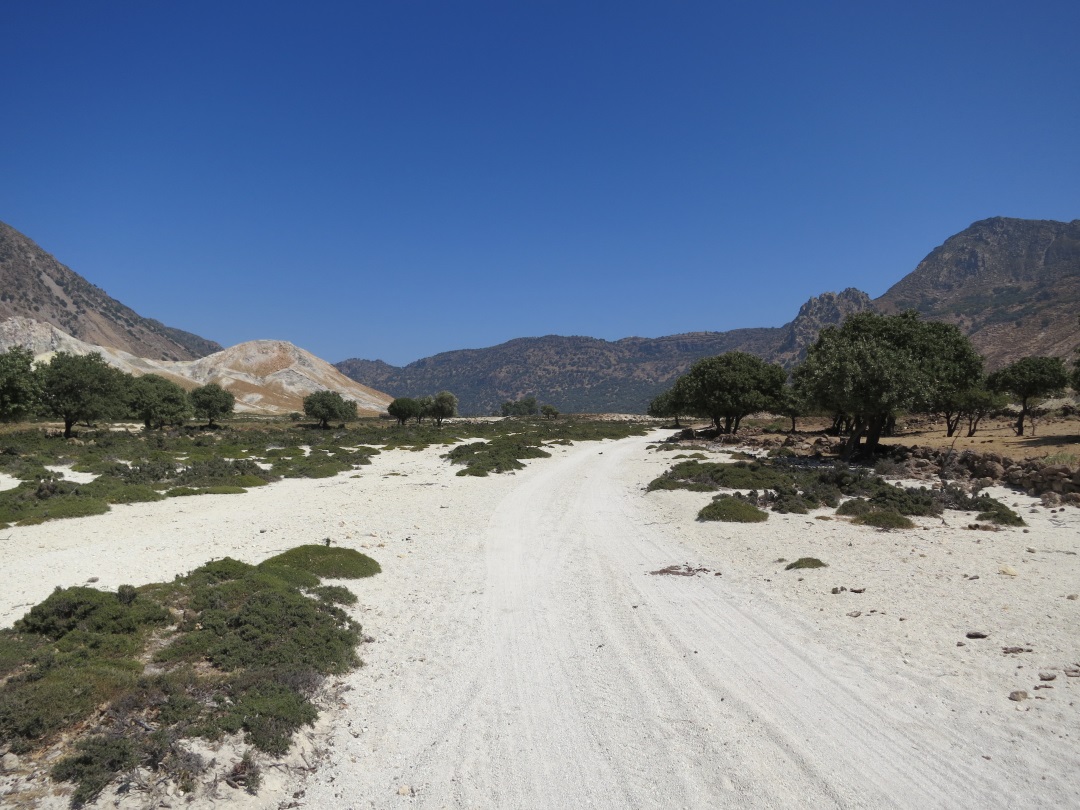
Reaching the floor of the caldera, at the western end blindingly white

Reaching the floor of the caldera, at the western end blindingly white

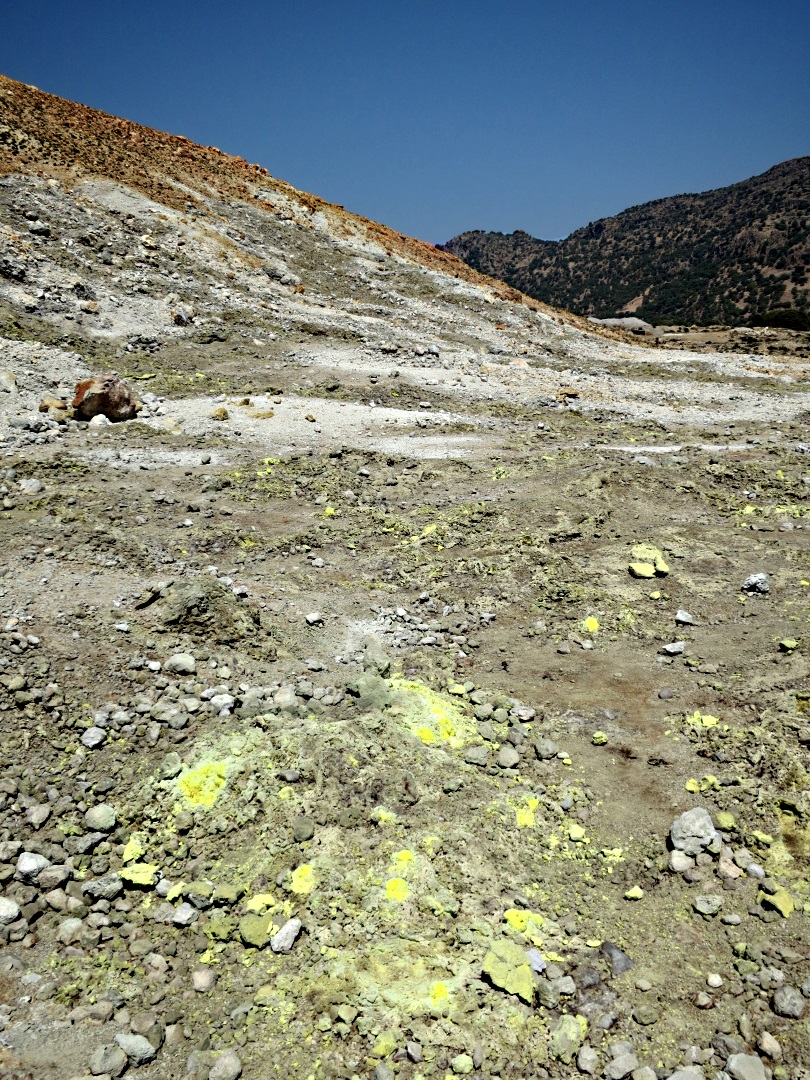
The cone of a small crater patterned by brilliant yellow sulphur.  The eye can adjust for the contrast, my technical skill as a photographer can’t.

The cone of a small crater patterned by brilliant yellow sulphur.  The eye can adjust for the contrast, my technical skill as a photographer can’t.

The Megalos Polyvotis crater, to my mind the most dramatic, looking towards the steeply canyoned western end.
The Megalos Polyvotis crater, to my mind the most dramatic, looking towards the steeply canyoned western end.

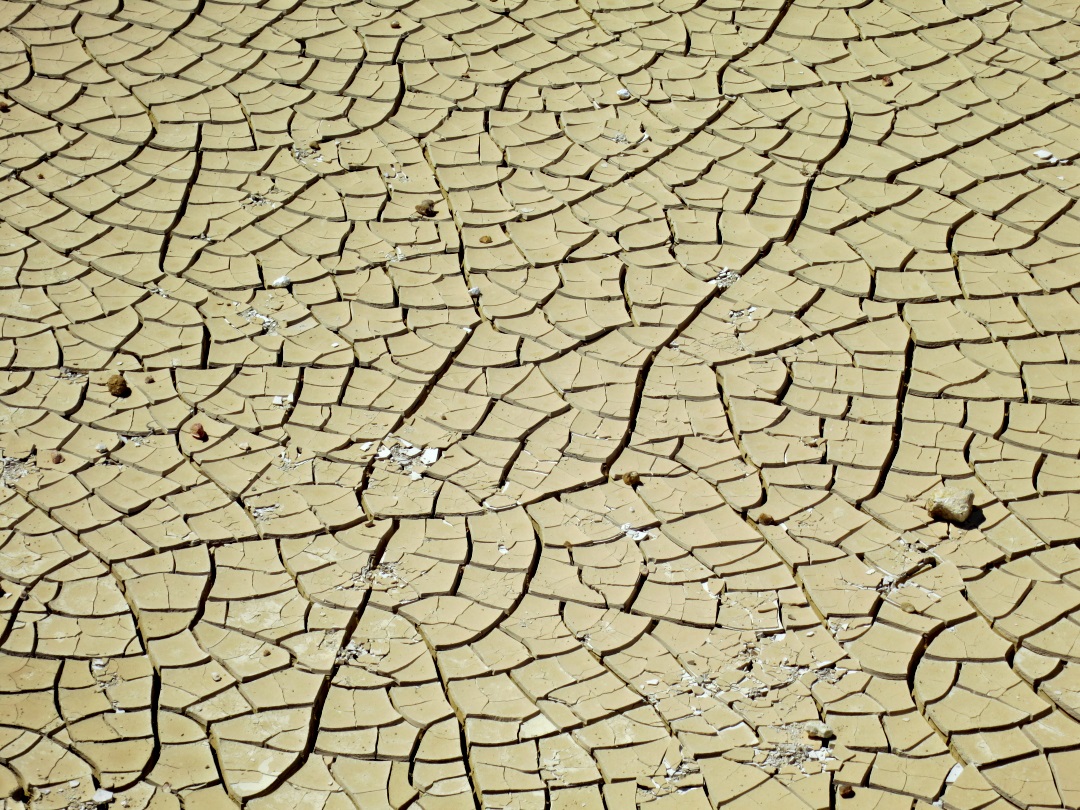
 ..... the low point of the floor of the crater apparently used to be a lake, lost during a recent eruption/tremor, now dried and cracked sulphur-coated mud
….. the low point of the floor of the crater apparently used to be a lake, lost during a recent eruption/tremor, now dried and cracked sulphur-coated mud

Fumaroles breathe out sulphur gas at many points even outside the craters

Fumaroles breathe out sulphur gas at many points even outside the craters

..... close up of the crystal structure

….. close up of the crystal structure

Part of the fissure which opened up in the tremor of 2003

Part of the fissure which opened up in the tremor of 2003

Looking down across Mandraki, the island’s main town, to the dilapidated Norman castle and the Pangia Spiliani monastery

Looking down across Mandraki, the island’s main town, to the dilapidated Norman castle and the Pangia Spiliani monastery

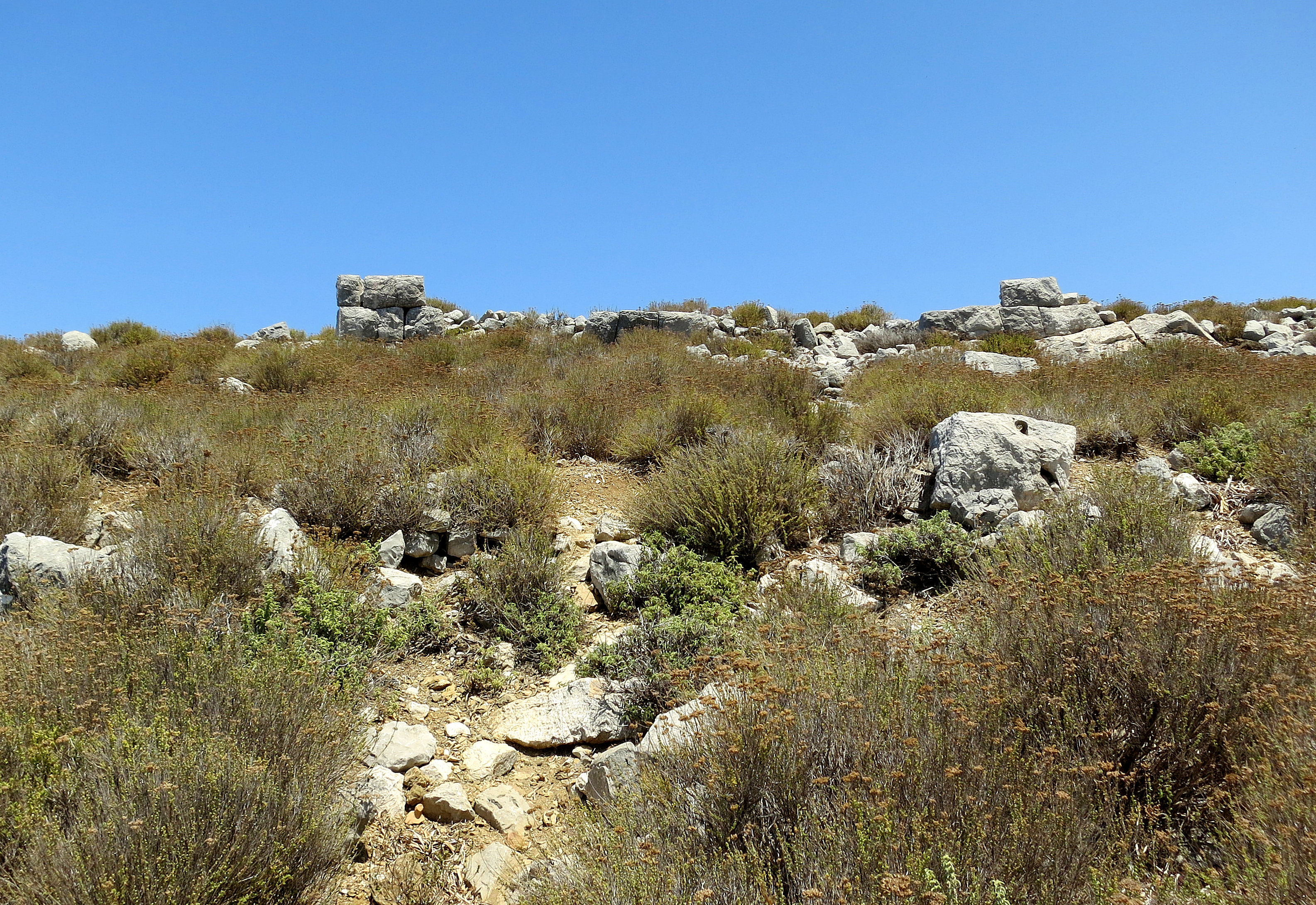
Higher to the left is the massive Paleocastro.  Each block is about two feet high.   Count them.
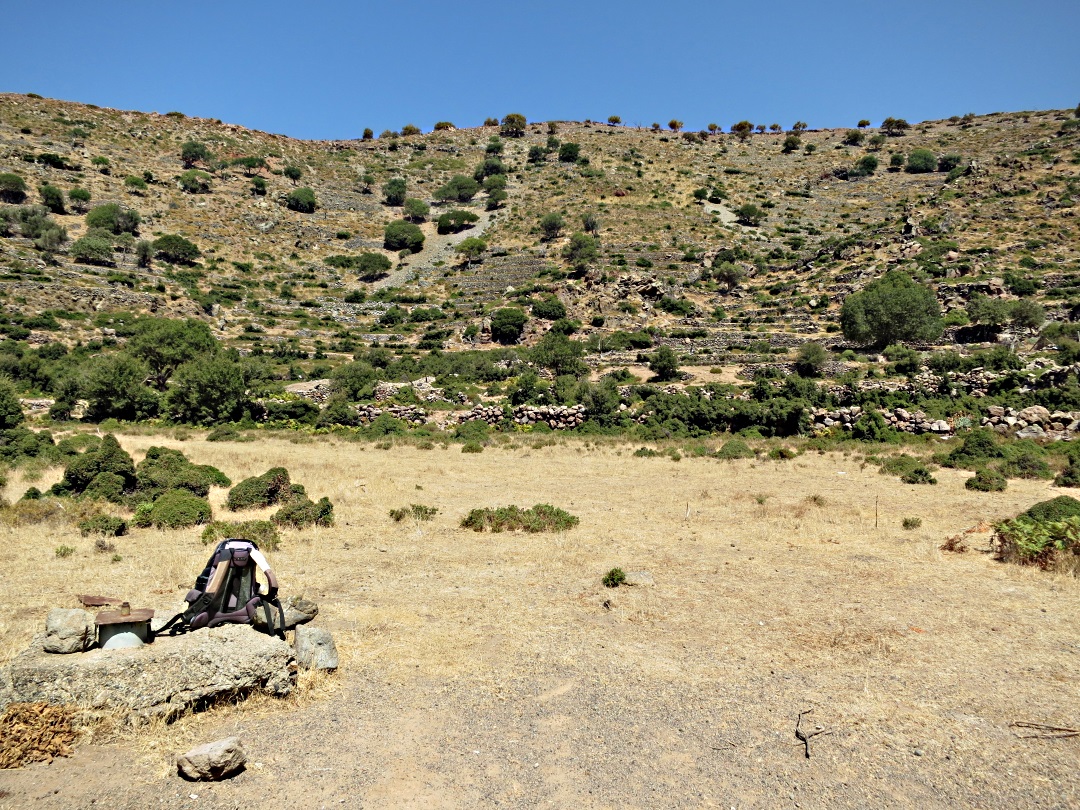
Higher to the left is the massive Paleocastro.  Each block is about two feet high.   Count them.

At 170 metres ASL, the lowest point of the Kato Laki crater, internal draining and rising on all sides with narrow stone built terraces each between 2 and 3 metres high all the way  to the rim
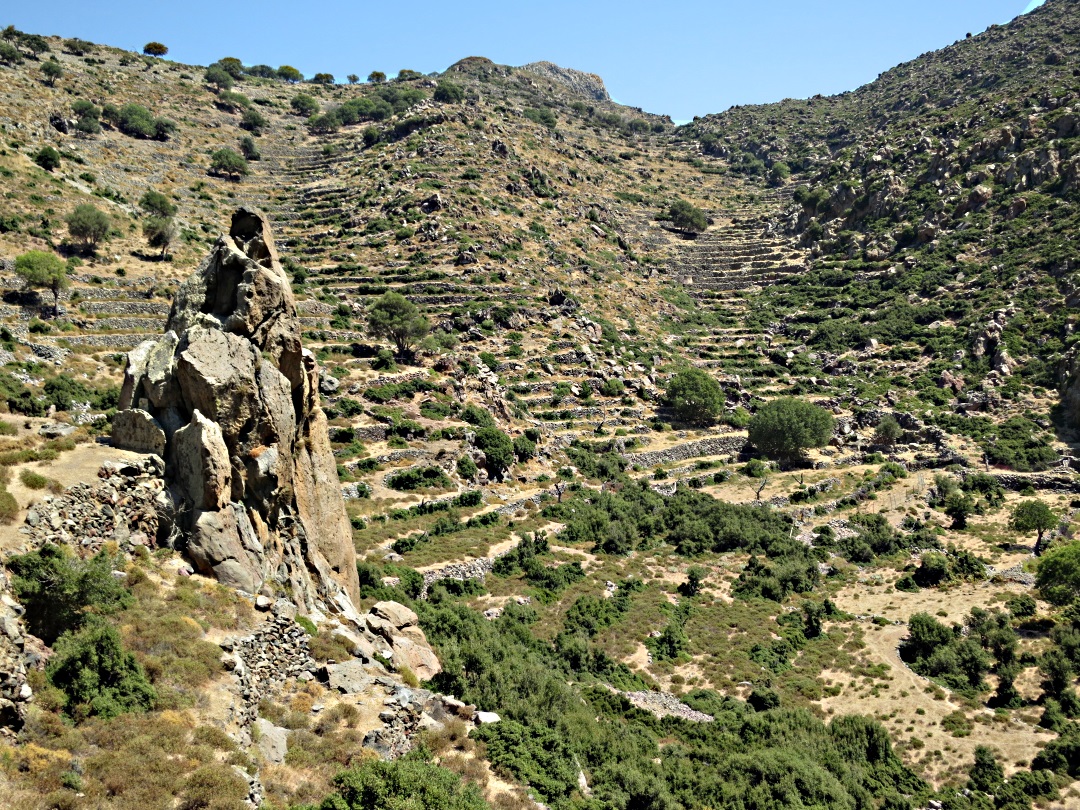
At 170 metres ASL, the lowest point of the Kato Laki crater, internal draining and rising on all sides with narrow stone built terraces each between 2 and 3 metres high all the way  to the rim

A plug of lava rises high above the floor of the Kat Laki caldera

A plug of lava rises high above the floor of the Kat Laki caldera

Peaceful above Mandraki, the mill on the hill

Peaceful above Mandraki, the mill on the hill

x  

Posted in Greece, Hiking, History, Landscape, Mountains, Photography | Tagged , , , , , , , , , , , , , , | Leave a comment

Symi and the Glamorgan coast: compare and contrast

We were taught in school to prepare for exam questions of the type ‘Compare and contrast’ …. ‘The Hundred Years War and the Blitzkrieg’, ‘The East Coast of England and a South Sea Atoll’, ‘the character of Jane Austen’s Emma and Desperate Dan in the Beano’,  ‘Human Reproduction and that of beans and other legumes’.  The pairs were not as disparate as the above but they were designed to make you think and analyse rather than simply to describe things.  An invaluable skill.

I’m back home in Wales for a short time and one day went for a walk with friends along a section of the 15 mile Glamorgan Heritage Coast.   I couldn’t help but draw comparisons with the previous 4 months on Symi.

One very stark contrast was the weather.  At this time of year on Symi cloudless sky is the norm.  No need to look at weather forecasts, it will be sunny and hot every day.  For two weeks before I left, afternoon temperatures had been over 40oC.  Thankfully my strategy of going trekking in the mountains in the middle of the day from when I arrived on the island in early April meant that I had thoroughly acclimatised to the heat.  My metabolism had changed, blood thinned and other physiological adjustments completed  (check the science of it).

It has been a cold summer in the UK, in the North and West anyway, and because of the acclimatisation to Greek heat I have been cold since I arrived back.  Though providentially we had one of the rare sunny days of the summer for the trip, with temperatures only slightly above 20oC I was just about comfortable as long as I kept moving.  On the odd occasion when temperatures had been higher it was grey and humid.  The insipient arthritis in my hip ached for Symi sun.

Another sharp contrast is the tidal range.  On Symi, as in the rest of the Aegean, you can dump your stuff at the water’s edge and go for a swim or climb the cliffs and be confident it will still be there and dry when you get back.  In most places there is no discernible variation in water level. Indeed sailors class the whole of the Aegean as ‘Non-Tidal’.  Exceptionally, walk from Pedi to Agios Nikolaos beach and for the first few hundred metres you are aware of the 6 inch tidal variation because sometimes you have to balance on the rocks to stay dry-shod.

Not so the Severn Estuary which has the second highest tidal range in the world (up to 15 metres) after the Bay of Fundy between New Brunswick and Nova Scotia (max 16.3 metres).  This has a number of major consequences.

First, in sharp contrast to Symi where variations in sea level can be ignored, it is essential to check the times of tides before you commit to walking along the spectacular foreshore of the Glamorgan coast. On the day, a low tide at 12.15 gave us plenty of time to get around the promontory south of Macross (a village, not a Greek island), meander leisurely westward over the rocky and deeply fissured wave-cut platforms and expanses of sand to the next promontory south of Monksnash.

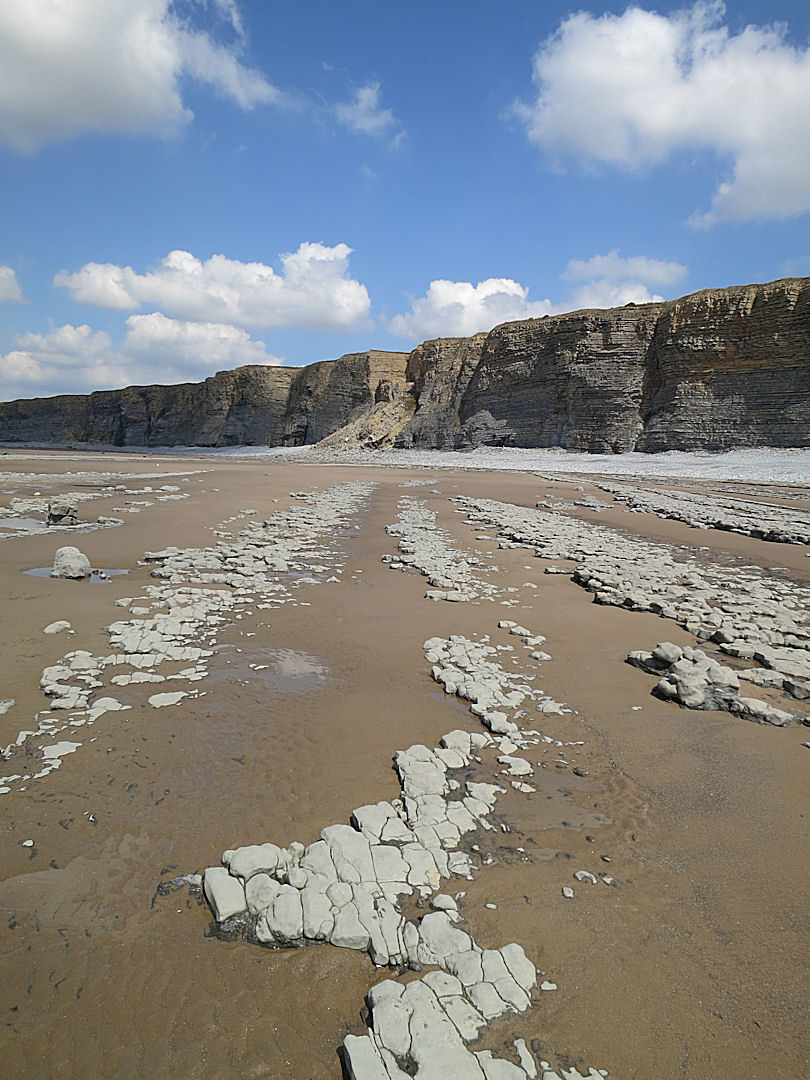
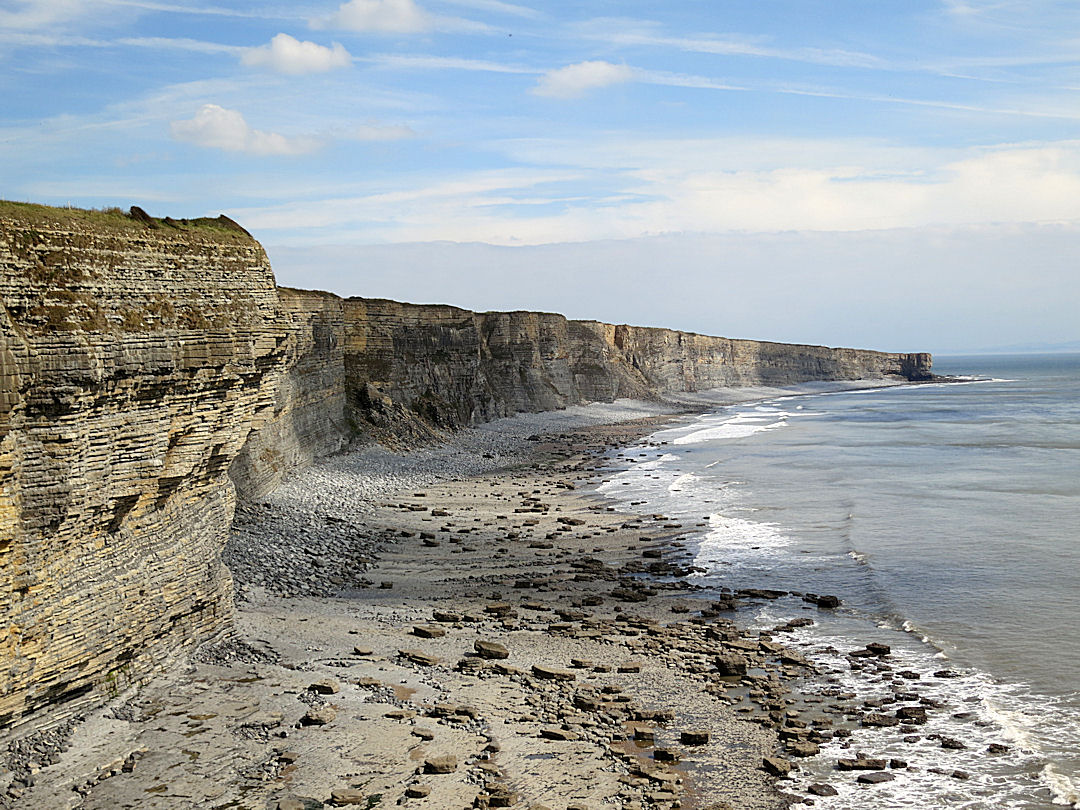
Rounding the promontory, cliffs curving westwards to the next headland, wide expanse of rock and sand exposed at low water.

Rounding the promontory, cliffs curving westwards to the next headland, wide expanse of rock and sand exposed at low water.

Setting out on the fissured wave-cut platform

Setting out on the fissured wave-cut platform

Playing with the rounded pebbles

Playing with the rounded pebbles

Sequence of dipping rock strata, pebbles and sand curving towards the cliffs

Sequence of dipping rock strata, pebbles and sand curving towards the cliffs

Pointing towards a major instability in the cliff

Pointing towards a major instability in the cliff

The centre of the curving bay is a broad expanse of sand, empty apart from us and a large flock of herring gulls

The centre of the curving bay is a broad expanse of sand, empty apart from us and a large flock of herring gulls

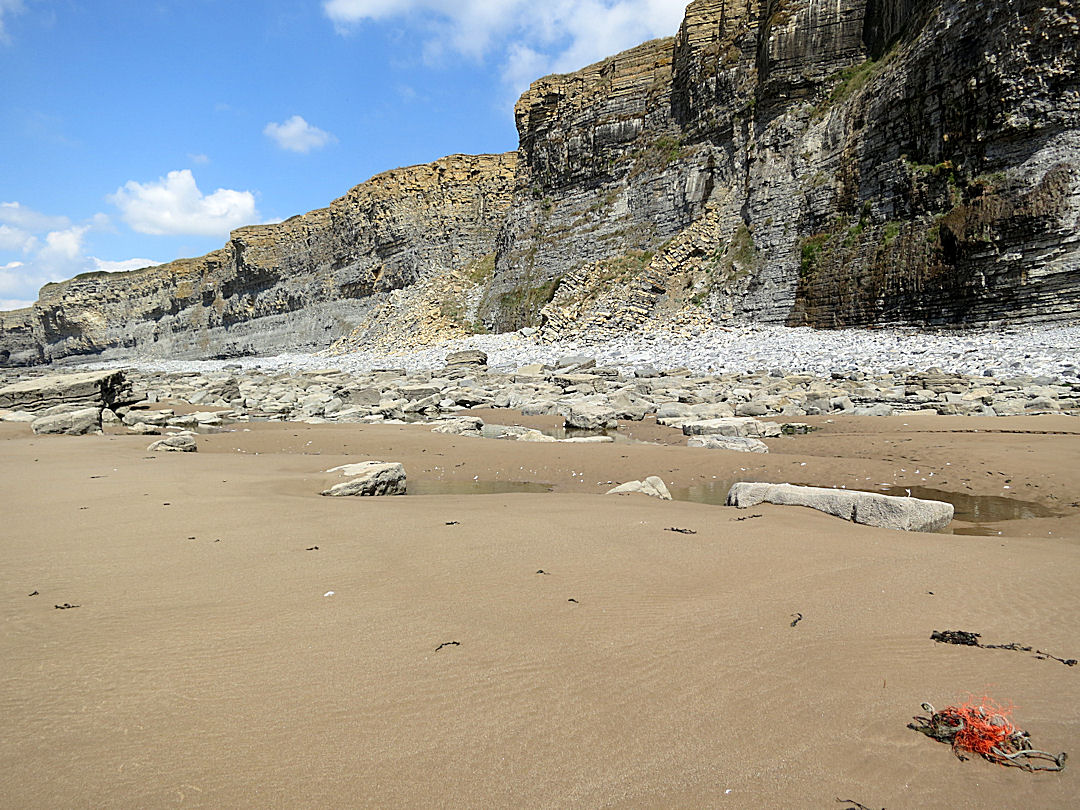
In the centre of the foreshore between Macross and Monksnash, sand backed by pebbles of storm beach

In the centre of the foreshore between Macross and Monksnash, sand backed by pebbles of storm beach

Approaching the Monksnash headland

Approaching the Monksnash headland

Writhing at low tide

Writhing at low tide

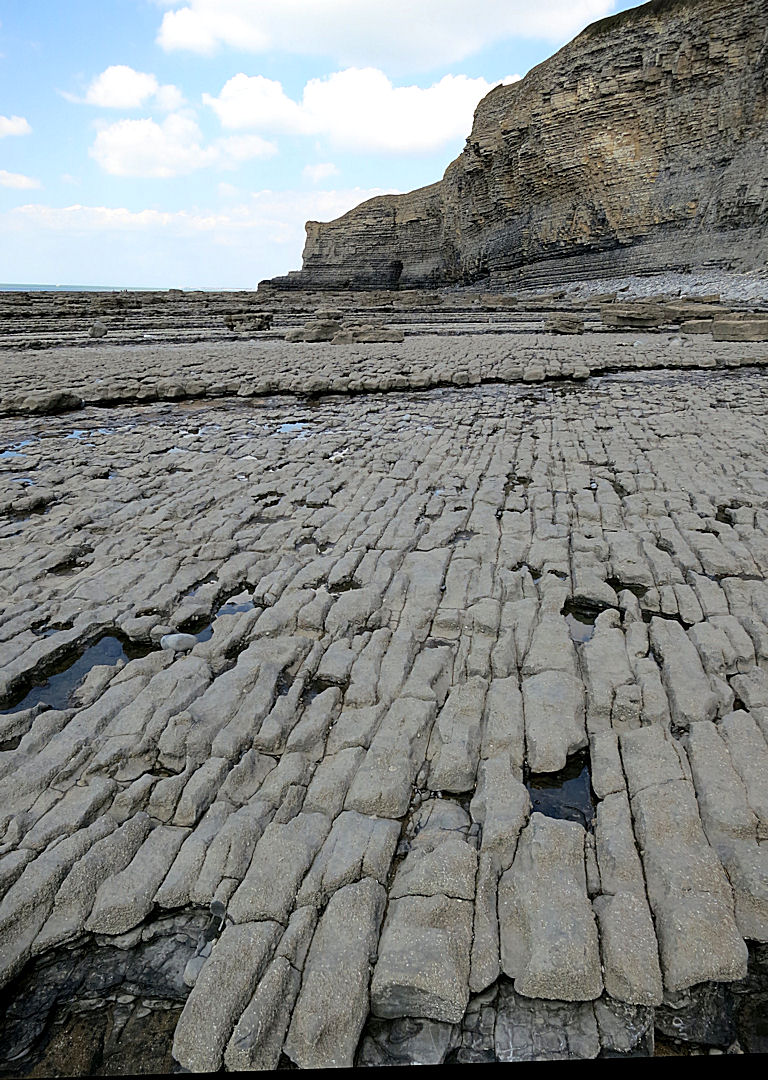
In places the fissuring is so symmetrical it looks like a paved surface (apologies for the lack of contrast, the sun went behind a cloud)

In places the fissuring is so symmetrical it looks like a paved surface (apologies for the lack of contrast, the sun went behind a cloud)

Though not known as a shipwreck coast, ships still come to grief here

Though not known as a shipwreck coast, ships still come to grief here

As planned, once there, we walked up the short valley to the village and had a very enjoyable lunch in the garden of the acclaimed Plough and Harrow pub.  However, dawdling over my tuna-mayo baguette meant that when we got back to the foot of the cliff for the return journey the tide had swept in covering most of the area we had previously walked.

We could still have fairly easily traversed around the base of the cliff at Monksnash. By staying on the steep pebble storm beach we could also get along the whole length of the shallow crescent-shaped bay at the foot of the cliffs though it would have been slow going, I reckoned at least 1½ hours without photo stops.  But I knew from previous experience that it would be foolhardy to assume we would be able to round the cliff at the far end.  I had checked the tidal range for the day which at this point along the coast would be about 36 feet.  Applying the ‘Rule of Twelfths’, a rule of thumb for estimating the variable flow of tides, I knew that in the middle two hours between high and low water the level would rise by 18 feet.  We were now into the first hour of that maximum rise.  I didn’t fancy waiting on the storm beach until towards midnight for the falling water to clear the headland again.

Looking back towards the Macross headland, all of the sand and much of the wave-cut platform now underwater.

Looking back towards the Macross headland, all of the sand and much of the wave-cut platform now underwater.

No problem, we took the cliff path.  Not as dramatic but a safer option and when an hour later we arrived back at the start point it was clear that we would not have made it back before the tide was tight against the base of the precarious cliff.

Another effect of a large tidal range is that though the water sweeps in rapidly and out again just as fast, refreshing the beach every 6½ hours, it leaves behind rock-pools which in places add to the water seeping from springs in the cliff and drain back to the sea slowly, eroding channels in the sand. It’s a simple rule: no tide, no rock-pools.

Some of the rock-pools are formed against an edge of rock with a sandy bottom

Some of the rock-pools are formed against an edge of rock with a sandy bottom

....others are rock-floored

….others are rock-floored

Patterns in the water draining back to the sea

Patterns in the water draining back to the sea

Pools are formed in depressions in the sand as water flowing around rocks scour a hollow

Pools are formed in depressions in the sand as water flowing around rocks scours a hollow

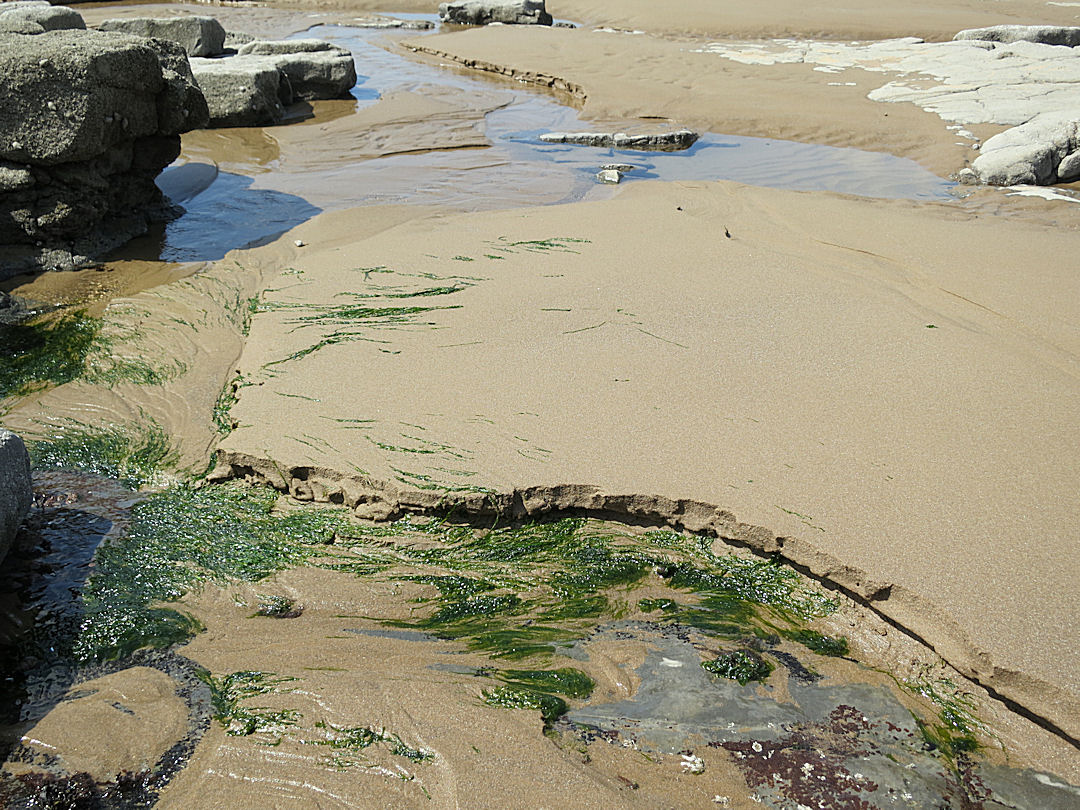
In places where water draining from pools joins with spring water from the cliffs semi-permanent streams are formed, scouring channels in the freshly deposited sand after every high tide

In places where water draining from pools joins with spring water from the cliffs semi-permanent streams are formed, scouring channels in the freshly deposited sand after every high tide

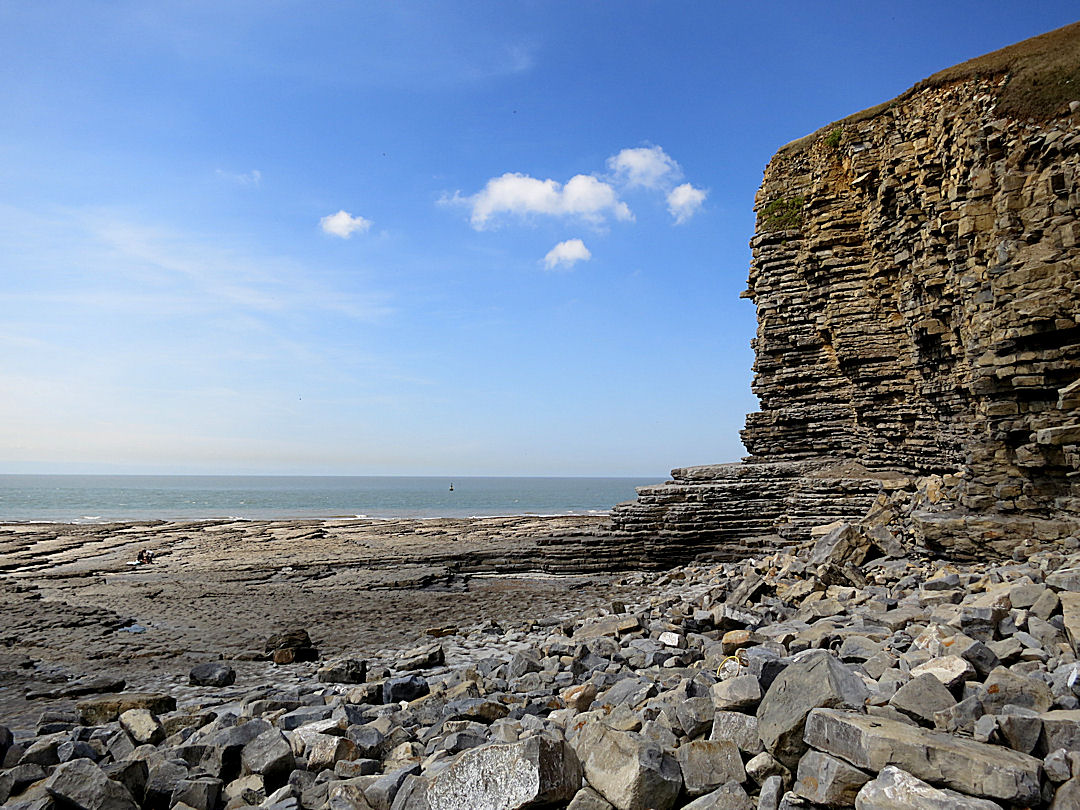
Superficially, one similarity between the coastline of Symi and that of the Glamorgan Heritage Coast is that on both the cliffs are limestone.  But the limestones are very different.  On Symi it is ‘massive’, jagged and sharp edged, sculpted mainly by solution erosion, in most places very stable.  On the Glamorgan coast the limestone is bedded, interleaved with narrow bands of weakness making the cliffs highly unstable and suicidal to attempt to climb.  Signs at the access points warn of the danger of even getting close to them.  The many large rectangular slabs of rock at their foot and on the sandy beach are testament to this instability and the inherent danger.

Large rectangular blocks on the foreshore, an indication of the instability of the cliffs at the beginning of the walk near Macross

Large rectangular blocks on the foreshore, an indication of the instability of the cliffs at the beginning of the walk near Macross

Giant Jenga .... just don’t be there when it collapses

Giant Jenga …. just don’t be there when it collapses

I’ll be back in Greece soon but this time on the volcano that is the Dodecanese island of Nisyros with probably some of the most spectacular treks in the Aegean.

For more images of the Glamorgan Heritage Coast see my ‘aartworld’ web site:
http://www.aartworld.com/Glamorgan.htm

Posted in Greece, Hiking, Landscape, Photography, Wales | Tagged , , , , , , , , , , , , , , , | 2 Comments

Symi: Old ways and a long way back

But one day at a time they say
And if you’re knowing where you’re going
You’ll be finding your way.
‘Long Way Back’ from ‘Freedom Run’ by The Rifles, 2011

Some years ago, more than I care to remember or commit to words, friends and I did the Four Peaks Walk in the Lake District (that’s ‘The’ Lake District in England, the proper one).  The peaks, Skiddaw, Scafell, Scafell Pike and Helvellyn, are those above 3,000 feet and, starting and finishing at the Moot Hall in Keswick, the challenge is to cover the 50 miles and 7,000 feet of ascent inside 24 hours.

After 30 miles and having completed the first three, it started to hurt.  We then had a long trek across rough terrain to Helvellyn, climb it, then drop back down and return to Keswick in the dark.  On the way down a scree slope on the flank of the mountain in deep moon-shadow, my foot came out to the side of my left boot, the uppers split from the sole.  It began to hurt even more.

The finish was along the road and, much as I hate walking on tarmac, at this stage in the trek I was glad of a level surface.  Grit your teeth, one foot in front of the other, keep up the pace, and think of anything except the pain.

Into our stride, minds elsewhere, a car stopped alongside us at about 02.00 and the driver, a doctor on the way back from a call-out, offered us a lift the remaining miles into Keswick.  The surviving member of the group and I looked at each and, with profuse thanks, declined.   We were too close to the finish after such a long time – over 22 hours – to capitulate now.  We finished in 23½ hours, determined never to do it again.

Recollection of this sprang to mind towards the end of a trek which I committed myself to full of energy and enthusiasm one morning on Symi, with an early start (09.30 – early for me) and a long walk taking me through the mid-day July heat.

As so often, first up to The Viewpoint (Walk 1 on the Greek Island Walks page) and then a steep and sustained zigzag climb on an old kalderimi (mule path) up to The Tarmac, the ridge-top road to Panormitis Monastery at the other end of the island.  About 1,000 feet above the town but no problem, I was by now acclimatised to the heat and the early start gave a relatively cool 30-35oC, afternoon temperatures going above 40.  A short section on the road which has destroyed the old routeway by bulldozing rubble down onto it.  Back onto the kalderimi where the road can’t sustain the gradient and hairpins back to gain height, followed by a very rocky, tortuous and satisfying path, crossing the top of the Vasilios Gorge before going into cypress and pine woodland and climbing up a limestone crag to the mountain-top Agios Stavros Polemou monastery with spectacular views all round.

The tiny, very simple church of Agoio Anargiri at the entrance to the Stavros Polemou monastery

The tiny, very simple church of Agoio Anargiri at the entrance to the Stavros Polemou monastery

View from the compound of Stavros Polemou with Megalos Sotoris further along the cliffs and Panormitis with its large bay in the distance

View from the compound of Stavros Polemou with Megalos Sotoris further along the cliffs and Panormitis with its large bay in the distance

Dropping down the crag to the Panagia Panaiidi monastery at its foot I can never resist going into the peaceful, shady courtyard to take a look at the hochlakos (black and white pebble mosaic) floor and 17th Century frescoes covering the inside of the old church.

The shady courtyard of Panagia Panaiidi

The shady courtyard of Panagia Panaiidi

The hochlakos floor and frescoed walls of Panagia Panaiidi

The hochlakos floor and frescoed walls of Panagia Panaiidi

More rough path leading to another monastery at the side of The Tarmac (the walk this far is described in the as yet incomplete Walk 4 on the Greek Island Walks page).  From here the route goes onto a section of undisturbed old kalderimi paralleling and above the road before The Tarmac cuts through it.  A short drop down and then road walking for a few hundred metres to Agios Dimitrios chapel …. and the island’s polar bear, a wonderful bit of funky art.

An undisturbed section of kalderimi above The Tarmac

An undisturbed section of kalderimi above The Tarmac

The Symi polar bear at the Agios Dimitris chapel

The Symi polar bear at the Agios Dimitris chapel

Another few hundred metres of road to reach the high walls of the fortified Agios Megalos Sotiros monastery.  Usually locked up, on the day it was open for cleaning and maintenance work, well worth a look inside with a cool hochlakos courtyard and impressive and well preserved frescoes in the church.   As I have done before, I made a small diversion to go up the bank at the side of the monastery to the edge of the cliff which drops about 1,500 feet to Fakounda Bay with views of the curving string of small Diavetes Islands, across back to Stavros Polemou and down to the extensive monastery complex of Panormitis and its sheltered anchorage.

The courtyard of Agios Megalos Sotiros

The courtyard of Agios Megalos Sotiros

Inside the church

Inside the church

Zooming in on the Stavros Polemou Monastery from the cliff top behind Megalos Sotiros

Zooming in on the Stavros Polemou Monastery from the cliff top behind Megalos Sotiros

..... and looking the other way to zoom in on Panormitis bay and the monastery complex

….. and looking the other way to zoom in on Panormitis bay and the monastery complex

Opposite Megalos Sotiros is a concreted track with a path off to the right after a few metres which winds through the cypress woodland to the Byzantine Stone Wine presses, ten of which have been restored by the efforts of local historian Kritikos Sarantis (described in a small booklet obtainable from his bookshop opposite the Meraklys restaurant behind the head of the harbour).  The first of the restored winepresses is alongside the path but the others involve another short diversion up to the right.

The path towards the Byzantine stone wine presses

The path towards the Byzantine stone wine presses

The first of the restored wine presses alongside the path

The first of the restored wine presses alongside the path

Looking down on two of the others

Looking down on two of the others

 ... detail of one of them

… detail of one of them

Returning to the path and continuing along it soon reaches yet another small monastery with a huge shade tree, a good spot for a banana-break ….. but not this trip, too much ground still to cover.

I had trekked to this point a few times in the past but I had decided before setting out that today I would continue further. Into the unknown.  The onward path, like so many others, is not marked on the SKAÏ map despite the claim by the cartographers “to explore every inch of the area we are mapping” and to “walk each and every one of those trails”.  The trail was clearly a very old routeway, passing a permanent pond and a farmstead, marked periodically by red paint splodges and heading towards Panormitis monastery.  It zigzagged down at donkey friendly gradient to emerge from the woodland on the mountainside overlooking Panormitis Bay at the top of the series of hairpin bends which drop the tarmac road to sea level.

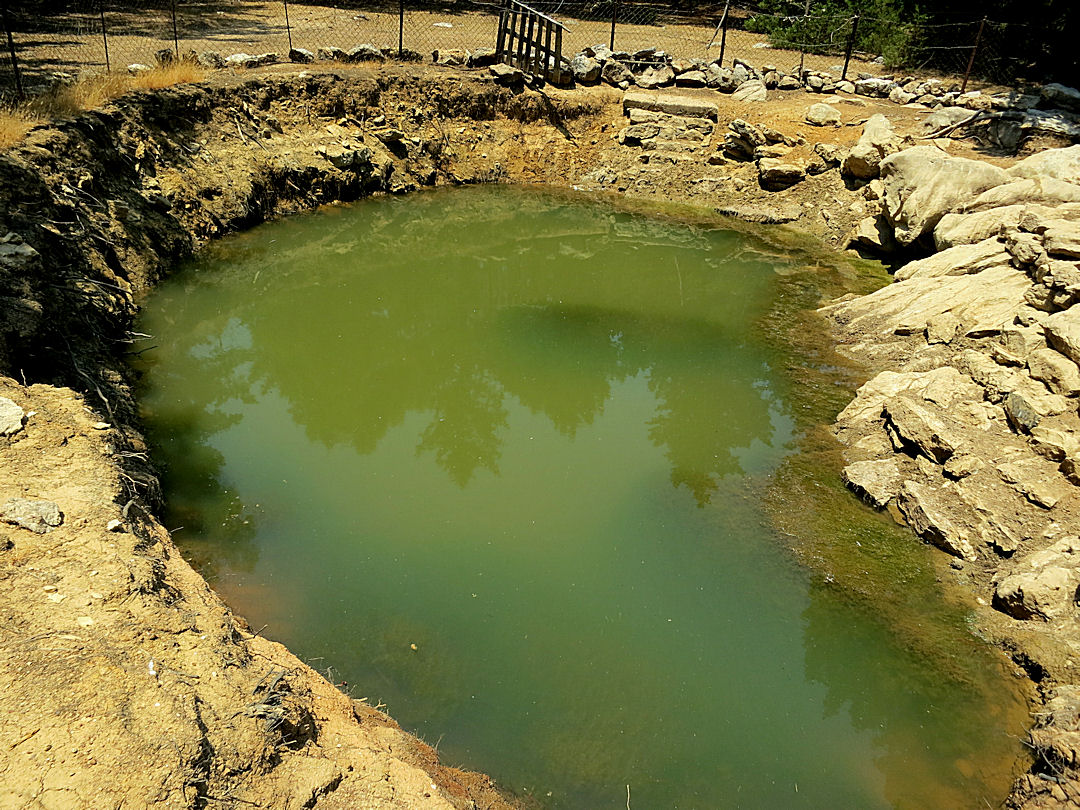
The permanent pond alongside the old pathway

The permanent pond alongside the old pathway

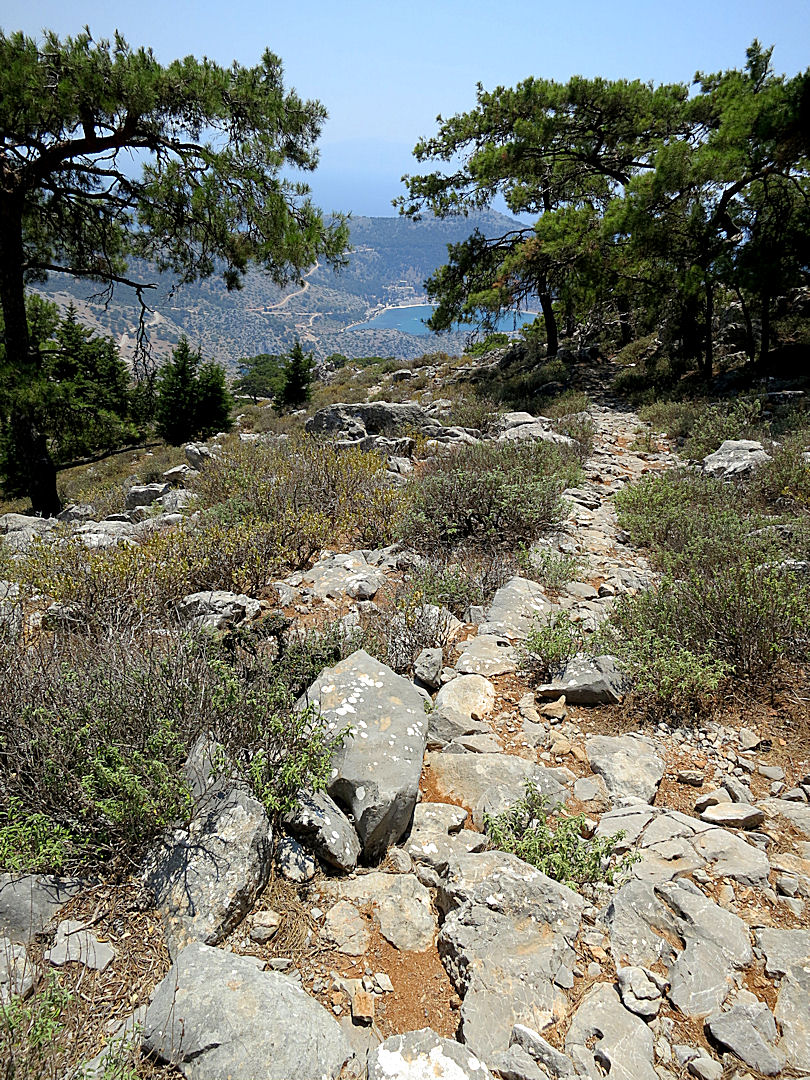
The pathway through the woodland

The pathway through the woodland

.... emerging at the top of the hairpin bends in The Tarmac, Panormitis  about 1,300 feet below

…. emerging at the top of the hairpin bends in The Tarmac, Panormitis  about 1,300 feet below

Enquiries of others had warned that the construction of The Tarmac had obliterated the old route and the only way from here was to take to the road.  I declined to do so.  Five miles of tarmac held no appeal for me.

Instead I set out to walk back to Horio by a different route.  Significantly further and still involving sections of road but by no means the tedious tarmac trudge of continuing to Panormitis.  Until the bulldozer intervened the line I was following had been an ancient routeway, the road now connects the sections which it hasn’t destroyed.   In places the remaining kalderimi was magnificent. I blanked my mind on the road linking the interesting bits, or drooled at the thought of the cold beer just out of reach ahead of me.  So there were fewer diversions to look at stuff on the return.  I was focused.

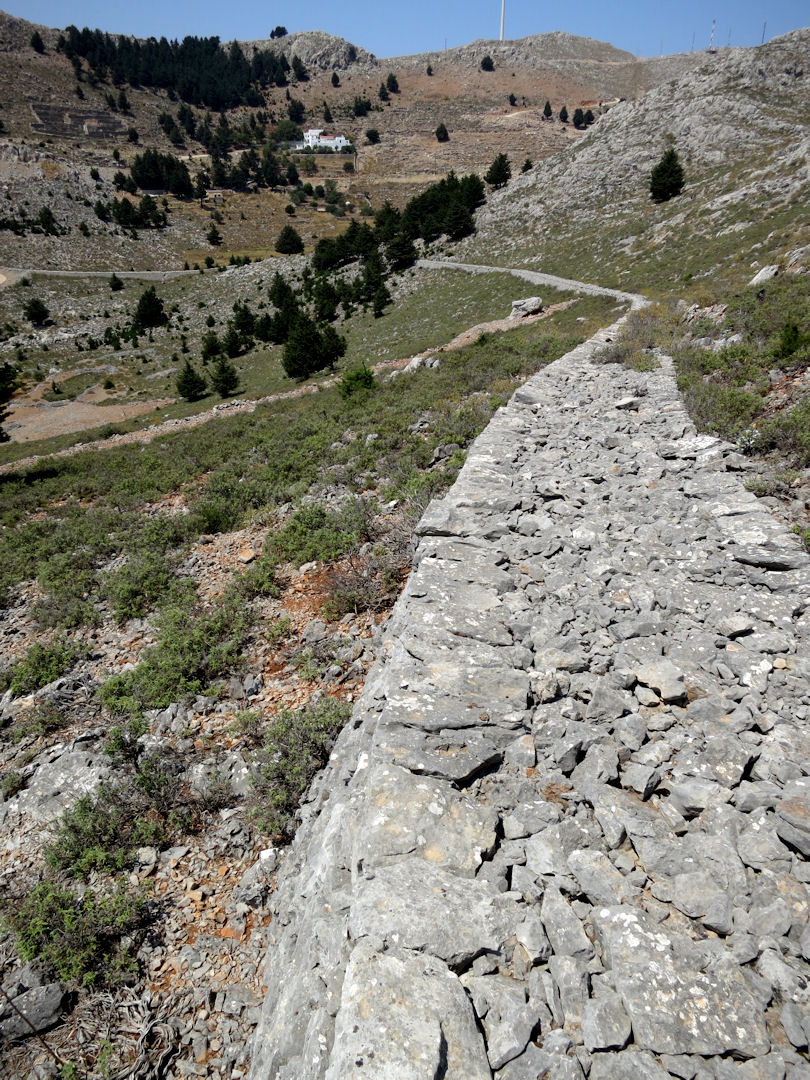
The sweeping curve of a section of exceptionally well preserved kalderimi

The sweeping curve of a section of exceptionally well preserved kalderimi

Not as long as the outward route but, wilting slightly in the heat of the afternoon, it was a long walk back.  After 9 miles and walking without a stop for 5 hours, I was on the penultimate linking section of road and just approaching the next and most dramatic bit of path when a farmer stopped his pick-up, piled high with foliage from trees and shrubs cut to feed the goats, and offered me a lift back to Horio.  Not as difficult a decision as that on the way into Keswick all those years before, I declined with thanks.

Posted in Greece, Hiking, Landscape, Mountains, Weather | Tagged , , , , , , , , , , , , , , , , , , | Leave a comment

Symi: high points

Having been identified as the Third Man and knowing he was pursued by Joseph Cotton, Orson Wells took to the labyrinthine sewers with a multiplicity of escape options and made the most memorable Sewer Speech ever.  Unfortunately most Hollywood villains when being chased are far less intelligent and feel an irresistible compulsion to go up something.  Church towers, grain silos, petrochemical rigs, multi-storey office blocks …. anything vertical is fair game.  Doomed and crass. Reach the top and no way out.  Only three plot-line options:  get cornered and captured; be thrown off following a less than convincing fight ending with a fading “aaaaaaaagh!”; or jump, looking smug.

A real-life exception is the tower-house vernacular architecture in the Mani peninsula, the southernmost tip of mainland Greece.  Built in pursuance of medieval blood feuds between neighbouring families rather than defence against invasion, when the conflict was formally declared according to set ritual procedures, the combatants would retreat to their respective towers, often only a few metres away.  They would spend the next decade or more trying to shoot the males of the Other Side through narrow slit windows, force a ritualistic surrender, or smash the marble roof of the opponents tower.  To achieve the latter, opposing families would smuggle in cannons to augment rifle-power and dynamite while at the same time building the tower higher from the inside to try to put the precious marble out of range and gain height advantage.  The tower becomes higher and higher and the feud drags on even longer.  So they never actually reach the top unlike Hollywood movies, but it does take a lot of time to put into practice.

I have a similar inner urge to climb things, go to the top of mountains or high viewpoints, not because I’m being chased but maybe to get away from the clutter and crap, to clear my head.  The more windswept the mountain the better, especially in the heat of Greek islands in summer.  Once up there, it’s generally a real wrench to go back down.

I have been doing that on Symi all the time I have been coming.  And there are plenty of mountains and high places to head for, many of them rugged limestone crags, some more dramatic than others.

Oros Vigla, ‘The Lookout’ is the highest mountain on the island but, with a road up the back, the sense of achievement is in getting there the hard way.  Sitting on the top between a defunct wind turbine on one side and an array of telecom masts on the other is not very impressive.  But it has to be climbed …. because it’s there.   Especially at the Summer Solstice: highest mountain, longest day, shortest me …….. view).

However, there are more impressive high spots on Symi.  Here are a few, most of them unfamiliar names based on information from the not very reliable maps.

Kokkinochoma Crags
Set in the top of the limestone crags above Kokkinochoma Bay northeast of Nimborio is an ancient fortification.  Reachable only by a Grade 3 rock scramble /’Moderate’ climb to the top, the location is very dramatic with a near vertical drop of more than 100 metres to the sea below.

Fortification built into the top of the limestone crag

Fortification built into the top of the limestone crag

The platform on top

The platform on top

What looks like a small cromlech on the adjoining crag

What looks like a small cromlech on the adjoining crag

Kourkoumas
At the southwest end of the same ridge is a very distinctive peak with a trig point built on top of a large overhanging rock.  To the west it looks across Toli Bay to the island monastery of Agios Emilianos and east across the ‘Hidden Valley’ to the high ridges of Turkey beyond.  It can be reached either from the dirt track to Toli or from a small col part way along the ridge above Nimborio but both involve going seriously off-piste, very rocky routes.

The rocky approach to the peak from the col

The rocky approach to the peak from the col

 ... getting closer

… getting closer

The peak

The peak

At this altitude and even with a stiff breeze butterflies flit around erratically at high speed, settling only fleetingly

At this altitude and even with a stiff breeze butterflies flit around erratically at high speed, settling only fleetingly

Katana Castle
It’s not marked on any map but I’ve called it that because on one map the area is marked as ‘Katana’ and the construction is similar to castle construction elsewhere on Symi and other Islands in the Dodecanese.  Located on the rim of the Hidden Valley it looks down to Toli and the ‘Classical Period Ruins’ which I explored last year (view) and which also has walls built out of massive dressed stones.  There are the vestiges of an ancient path reached by climbing up the earth bank from the track bulldozed down to Toli but it is very steep and rough.  I suspect it is now an alternative but less used route taken by migrating goats.

The castle first comes into view

The castle first comes into view

Many large dressed stones lie scattered around, some showing the grooves which help lock them together when in situ

Many large dressed stones lie scattered around, some showing the grooves which help lock them together when in situ

The large, intact corner

The large, intact corner

Standing on the corner looking towards the ‘Classical Period Ruins’ close to the sea

Standing on the corner looking towards the ‘Classical Period Ruins’ close to the sea

The ‘Classical Period Ruins’ from the track to Toli 

Zooming in on the ‘Classical Period Ruins’ from the track to Toli

Pyrgalia
Above the deserted village of Gria, itself hidden behind limestone crags above Pedi and the Agios Nikolaos beach, is a long ridge terminating in Vigla at its western end.  At its eastern end, a steep walk from Gria over intermittently rocky and loose shaley ground with no hint of a path, are the remains of two substantial stone buildings and the remains of an obelisk built out of loose stones on the narrow ridge-top at 430 metres ASL.  They can be seen from Horio prominent on the skyline.  From the top the most dramatic views are north over Pedi Bay and towards Turkey, the height emphasised on the way down by a small stone structure on a shoulder of the mountain and the derelict buildings of Gria.

Standing next to the remains of the obelisk.  A few years ago it was the same height as me.

Standing next to the remains of the obelisk.  A few years ago it was the same height as me.

217  

The small, simple structure on a shoulder of the mountain.

The small, simple structure on a shoulder of the mountain.

Looking down on Gria, hidden from Pedi behind the limestone crags

Looking down on Gria, hidden from Pedi behind the limestone crags

Hames threshing circle
An old kalderimi zig-zags up the northern face of the Pyrgalia ridge from the top end of Horio to old and now derelict buildings before becoming a footpath climbing up rock outcrops to reach the top.  It reaches the ridge-top mid-way along its length at a stone threshing circle behind the monastery of Panagia Hamon.   From here the view north is straight down into the harbour 430 metres below and south to the mountain top monastery of the Archangel Mihail Kokkimidis.

The ridge-top threshing circle with a cypress bush looking like an alien being

The ridge-top threshing circle with a cypress bush looking like an alien being has mistaken it for a landing site

Zooming in on the harbour 430 metres below

Zooming in on the harbour 430 metres below

Looking across the rocky ridge-top to the Archangel Mihail Kokkimidis monastery

Looking across the rocky ridge-top to the Archangel Mihail Kokkimidis monastery

Lappatoniou Castle
More accessible, with a marked though in places difficult path, is the ridge-top Lappationou Castle.  The castle itself is not very impressive but the location is.  Skoumisa Bay and Agios Emilianos lie to the north, a precipitous 400 metre drop to Agios Vasilios Bay to the south.  The slabs of rock at the west end of the castle are a great place for a break.

Taking it easy on the rock slabs below the castle looking down to Agios Vasilios Bay

Taking it easy on the rock slabs below the castle looking down to Agios Vasilios Bay

Zooming in on Agios Elianos and Skoumisa Bay

Zooming in on Agios Elianos and Skoumisa Bay

On the way up I spotted, settled on the thyme, one of the largest Scarce Swallowtails I’ve ever seen,

On the way up I spotted, settled on the thyme, one of the largest Scarce Swallowtails I’ve ever seen,

Tsagrias Castle
On a small knoll at the side of the track to the mountain top Archangel Mihail Kokkimidis monastery are the remains of a small castle.  Both the main building and the defensive perimeter are built partly with massive dressed stones slotted tightly together, like Katana a more impressive structure than Lappationou. Though not dramatic from the approach, it towers above the Nanou Gorge to the south.

Approaching the castle on its small knoll

Approaching the castle on its small knoll

Getting closer and the size of the dressed stone blocks becomes evident

Getting closer and the size of the dressed stone blocks becomes evident

I found this tortoise trapped inside a 45-gallon oil drum close to the castle.  It must have climbed up the fence and dropped in for some reason.

I found this tortoise trapped inside a 45-gallon oil drum close to the castle.  It must have climbed up the fence and dropped in for some reason.

A pair of Turtle Doves were flying around the nearby crag.  I managed to focus on one with maximum zoom

A pair of Turtle Doves were flying around the nearby crag. I managed to focus on one with maximum zoom

The Viewpoint
By far the most accessible high point is on the kalderimi heading out of Horio towards the chapel of Agia Paraskevi (Walk 1 on the Greek Island Walks page of this blog).  As well as being the start point of a number of longer treks it’s a great place to stroll to early morning or evening to catch it with good light.  Though by no means close to the top of the ridge the views are dramatic, very good reward for little effort or with little time.

An evening stroll to The Viewpoint was rewarded with dramatic light instead of the usual blue sky as heavy cloud came briefly across but thankfully no rain

An evening stroll to The Viewpoint was rewarded with dramatic light instead of the usual blue sky as heavy cloud came briefly across but thankfully no rain

The strange light across Horio and the Pedi Valley

The strange light across Horio and the Pedi Valley

x

Posted in Greece, Hiking, History, Landscape, Mountains, Nature, Photography, Wildlife | Tagged , , , , , , , , , , , , , | 3 Comments

Symi: I lost my shirt ….

…. and I wasn’t even in Las Vegas!

Nor does it have anything to do with the Greek economy which, despite the attempts of the IMF and the ECB to undermine it, and the grossly inaccurate and morally reprehensible  scaremongering in the media, continues to function perfectly normally for visitors.  I see little difference except that there are fewer people coming.   Everything functions as usual.

This is a whole different story.

I don’t enjoy the tedium of trudging tarmac.  Unfortunately, some of the really enjoyable walks on Symi involve a modicum of it because bulldozers have been allowed to obliterate ancient kalderimia and monopatia (donkey paths and footpaths).  I try to take an interest in what’s going on to the side of hard-surfaced  roads but frankly I switch off my brain.  It becomes a matter of increasing speed and mental survival.

It is therefore with some satisfaction that in the last few weeks I have managed to put together a couple of circular routes which reduce contact with tarmac or concrete to a few metres.

The one with which I’m most pleased, and which there are very few people I would take on, I did first at the end of June.  Most of it is fine but the key section, the main tarmac avoidance bit, is …. well, judge for yourselves.

The route starts out going to the top of Horio, the old village, then onto an ancient kalderimi, up to the The Viewpoint, a walk which I say on Greek Island Walks “If you only do one walk on Symi this should be it”  (view), and then onto the open mountain.

Cross the tarmac rightwards at the monastery of Agios Perivliotis (one of the very few with a name outside so you know where you are!) onto a concrete track for less than half a kilometre then onto a rough dirt track off to the left.  Left again below the monastery of Panagia Mirtioditissa (Virgin of the Myrtles), continuing to rise.  On the left is an extensive outcrop of solution-eroded razor limestone, to the right views down over the fortress monastery of Agios Roukouniotis and the route of the most interesting part of the trek.  The track climbs to reach 410 metres at the wonderfully peaceful monastery compound of Agios Nikitas Kotika with its sublime sundial.

Razor limestone

Razor limestone

Steep rocky drop to the mid-level  plateau and the Roukouniotis fortress monastery, Turkey in the distance looming large

Steep rocky drop to the mid-level  plateau and the Roukouniotis fortress monastery, Turkey in the distance looming large

The rough track to Agios Nikitas Kotika monastery

The rough track to Agios Nikitas Kotika monastery

The monastery courtyard, brief shady respit

The monastery courtyard, brief shady respite

The sundial

The sundial

From there it’s on a very thin path marked strategically with vertical stone-on-rock markers.  The problem at the end of June is that the thyme is in full flower along here and the air is full of buzzing ….  and bees.  I’m not a nervous walker by any stretch of the imagination, but this section had me on edge the whole time.  I must have accidentally kicked one, maybe two, which stung me in rapid succession on both ankles. Little b….ds!!!

narrow path through thyme in full flower

narrow path through thyme in full flower

It’s slow going between rocks and low vegetation.  Reading the ground as the path meanders through limestone rocks sculpted by solution erosion is easy, if you know what you are doing, and the occasional marker confirms the right line. Next target is the ridge-top Lappatoniou Castle.  It’s not an impressive structure compared to the massive fortress on Nisyros dating back to some say to two millennia BC, or the  Crusader castles on Rhodes or Halki, but it’s a very dramatic location.

Path meandering between and over eroded limestone

Path meandering between and over eroded limestone

Approaching Lappatoniou castle

Approaching Lappatoniou castle

Clamber up into the castle and across the broken-down walls at the western end and then drop down onto huge flat slabs of rock.  Perfect place for a banana break and a siesta.

Limestone slabs below the western end of the castle

Limestone slabs below the western end of the castle

A peaceful place to stop – ησυχία

A peaceful place to stop – ησυχία

Symi, The Hot Rock. Take a 10 minute siesta and you leave your mark 

Symi, The Hot Rock. Take a 10 minute siesta and you leave your mark

Continue on to an abandoned settlement at a lower level, less defensible but also less visible to pirates (which were once a scourge of these islands) and then dive off to the right onto an old pathway zigzagging every which-way  to the Ioannis Theologos monastery on the north side of the ridge.  Less than half a kilometre through cypress woodland but you definitely need to be able to read the ground for this bit, interpret ground trodden many years ago but not recently.  Faded red paint dots have been recently augmented by strategic stone-on-rock markers but they only confirm what you have to read for yourself.

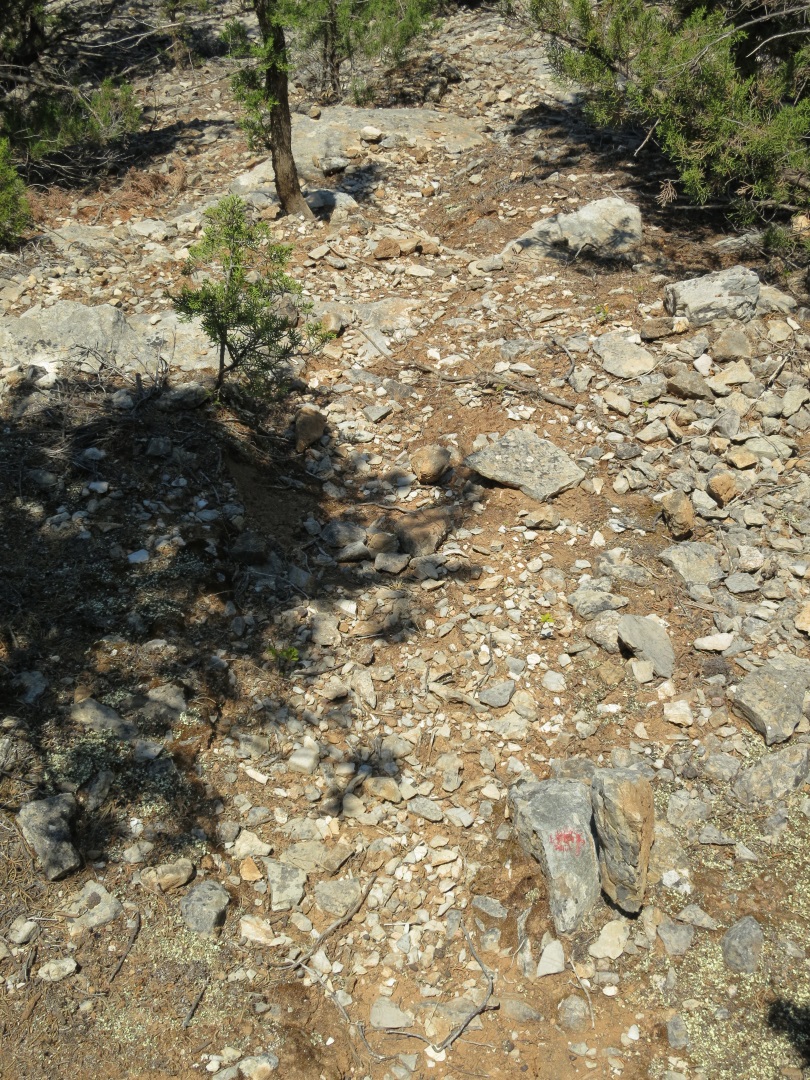
Yes, this is the path down through the cypress woodland, simple vertical stone marker next to faded red dot at bottom right

Yes, this is the path down through the cypress woodland, simple vertical stone marker next to faded red dot at bottom right

From the Ioannis Theologos monastery the path is like a motorway.  Very well trodden and in places marked maybe centuries ago by large stones set on edge on the downhill side.  Some prats feel it necessary to put cairns on top of the edging slabs.  Some prats, like me, feel it necessary to kick them off in disgust.  If you can’t tell this is The Path, you shouldn’t leave the harbour.  There are a couple of Byzantine stone wine presses alongside the path showing that there must have been an extensive agricultural settlement centuries ago.  Go off to the left on a network of other paths and there are large terraced fields hidden among the trees.

Very clear path from Ioannis Theologos

Very clear path from Ioannis Theologos

They all eventually lead to what my wife and I dubbed ‘Tortoise Square’ (having seen them here on two occasions), a very distinctive and extensive open area with old stone houses, now roofless, at the eastern edge and a huge stone-built water tank.

‘Tortoise Square’. The path is diagonally across to the right-hand corner of the lower of the two stone structures which is a very large water tank with a significant amount of water still inside

‘Tortoise Square’. The path is diagonally across to the right-hand corner of the lower of the two stone structures which is a very large water tank with a significant amount of water still inside

Here the path splits.  The main path continues to contour the mountain and returns to Horio.  Another goes off left at the side of cypress woodland downhill towards the monastery of Agii Anargyri and then to the  fortress monastery of Agios Roukouniotis, seen from above earlier.

This is where the walk begins to get really fun.  What mountaineers describe as ‘in danger of becoming interesting’.

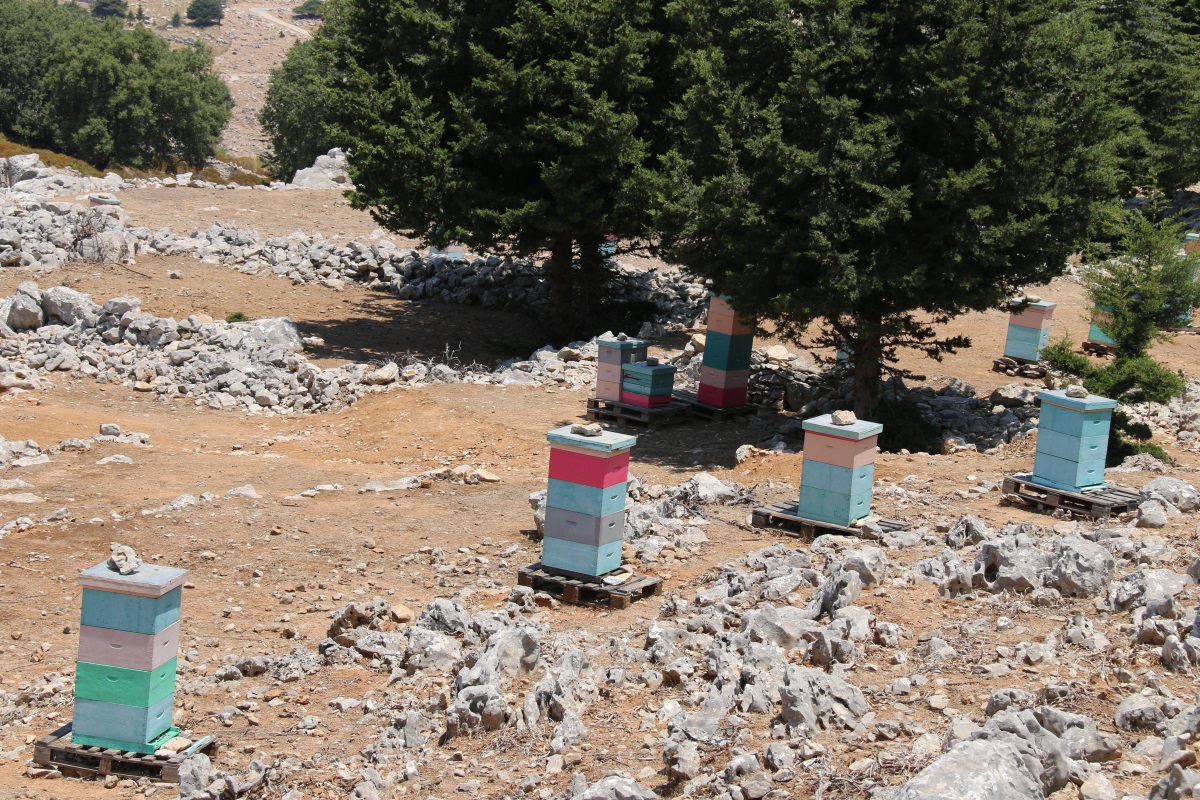
At the end of the cypress woodland on the left, leave the path (stay on it for an easier option) and drop straight down the mountainside. It’s rough underfoot but easy to pick a way between and over the rocks. I took a line to go to the left of the  30 or so beehives – I’m a wimp, I don’t fancy being attacked by trillions of nectar-laden bees en route to drop off the day’s produce.  Even so, scouts were sent out to buzz me and warn me off.  They followed me until I was well out of sight of the hives.  I’m not making this up!!!

Drop straight down the mountainside

Drop straight down the mountainside

... which becomes increasingly arid once the thyme-clad upper slopes are left behind

… which becomes increasingly arid once the thyme-clad upper slopes are left behind

The left hand end of three rows of beehives, about 30 in all – that’s a lot of bees

The left hand end of three rows of beehives, about 30 in all – that’s a lot of bees

The hives are just above a dirt track the other side of which is the start of a deep gully which drops over 100 metres in less than half a kilometre.  It’s a whole series of dry waterfalls and down-climbing them is challenging.  Some are just a couple of metres, others are 10 metres into deep sandy plungepools.   Some are smooth, sloping slabs, some are narrow chutes, others are jagged edged tumbles down shaley strata.  You don’t need ropes but a modicum of climbing skill is helpful.  The rock varies from massive grey/white limestone to deep purple fractured shale veined with white.

Standing at the top of the drop down the gulley

Standing at the top of the drop down the gulley

Looking back up the first of the longer falls

Looking back up the first of the longer falls

The height of the drop can be judged by the width of bed of the gulley below

The height of the drop can be judged by the width of bed of the gulley below

A warning – getting it wrong can be terminal, even for professionals

A warning – getting it wrong can be terminal, even for professionals

Tilted bedding planes force the water to make a sharp right turn

Tilted bedding planes force the water to make a sharp right turn

The face of the bedding planes, a rich purple in contrast with the pale grey elsewhere

The face of the bedding planes, a rich purple in contrast with the pale grey elsewhere

I wouldn’t like to be down here when that lot falls

I wouldn’t like to be down here when that lot falls

Photographer scratching his head wondering how to get down the edge of the strata in this chute

Photographer scratching his head wondering how to get down the edge of the strata in this chute

There was no indication that anyone had been down the gulley.  Sometimes there are spent cartridge cases which indicate that in the season hunters go to remote places in search of chukkas (rock partridges).  There were no shell cases.  But there were chukkas. with noisily whirring wings and loud chuntering as two, then three more, then within a few seconds a total of seven flew off in panic when I reached the overhanging rock they were sitting under.  When you are delicately poised on a near-vertical rock slab you have to control the instinctive reaction to sudden noise.  Soon afterwards a Little Owl looked me in the eye with blank astonishment when I dropped down from above, before flying off silently, not even the faintest swish of its feathers, almost as if to say “I can’t be doing with this.  I’m here for peace and quiet.”   I apologised.

It was at the top of a long sloping slab that I discovered I had lost my shirt.  I always carry a spare clean T-shirt in case I end up somewhere respectable or go into a taverna for a frappé at the end of the walk.  I stopped to take a selfie of me framed in a narrow gap by placing the camera on a purpose-made beanbag on top of the spare shirt on a rock and using a remote control … and the shirt wasn’t there.  I remembered taking it out at the Ioannis Theologos monastery when I stopped for a swig of water in the shade and forgot to put it back.  No real problem, just irritation at my carelessness.

Standing in the gap before another long drop (note: the earth tilted on its axis just before the remote control triggered the camera)

Standing in the gap before another long drop (note: the earth tilted on its axis just before the remote control triggered the camera)

The drop, a long smooth limestone slab

The drop, a long smooth limestone slab

One last tricky descent and I reached the bed of a larger gorge running down to the sea at Tourkogiali.  I turned right and followed the easy bed of the gorge upstream a short distance before climbing out of it to cross a road and join a path back to Yialos with dramatic views over Nimborio Bay.

Looking back up the gulley from the bed of the gorge.  Easy really

Looking back up the gulley from the bed of the gorge.  Easy really

That’s when I made the decision.  I would do the same walk again tomorrow in order to recover the lost shirt.  Good excuse to do that gully again.

Posted in Greece, Hiking, Landscape, Mountains, Nature, Photography, Wildlife | Tagged , , , , , , , , , , , , , , , | Leave a comment

Symi: The Day I Shrank, and other adventures

One: The Shadow

Sunday 21 June, the summer solstice, time to climb Oros Vigla, highest mountain on Symi.  The summit is barely a mile from the house as the crow flies but I’m not a crow so the 500 metres height gain comes the hard way. Look up the Kali Strata from Lefteris’s Kafenion, pint in hand, and it’s there, straight above.  In truth it’s a very modest mountain, 618 metres according to the SKAÏ map, a little less by the altimeter in my watch. But the direct approach, the ‘direttissima’, is challenging.  No path, just up the terrain.

The route, first steeply up to Profitis Ilias monastery (amazingly not on the top of the mountain!) is initially frustrating, through a Greek gates made of an old metal bed fastened with bits of tatty rope, now rarely opened since a dirt road was bulldozed off the zigzag tarmac.  Takes time and ingenuity to untie.  The once well-made kalderimi to the monastery is overgrown and collapsing.  Then another metal bed-gate similarly tied, to reach the top edge of the monastery and onto the open mountain.

Pick a line carefully up a long rib of rock offering rugged but secure footing for a few hundred vertical metres trending rightward towards the summit.   Then at the top of the rib find a way between and over rocks, avoiding the loose shale as much as possible.  It’s a steep, unrelenting and tiring climb in the heat but best to keep moving rather than stop as lactic acid builds up in the muscles.  Reach a col and annual health check complete.  I reckon that if I survive the climb up the front of Vigla my heart is good for another year.  But who knows.

Pass the telecom masts on the neighbouring peak and ignore the fact that you can get there by road up the back of the mountain.  The top is not spectacular but does have a trig point.  The views are better on the way up but on the summit you can see 360 degrees.  It’s impressive but the real satisfaction is getting up there the hard way.

Almost at the top, looking down over the town with Turkey in the distance : another country, another continent, another world,

Almost at the top, looking down over the town with Turkey in the distance : another country, another continent, another world,

Looking down the route

Looking down the route

The rock up here is very weathered, gnarly limestone

The rock up here is very weathered, gnarly limestone

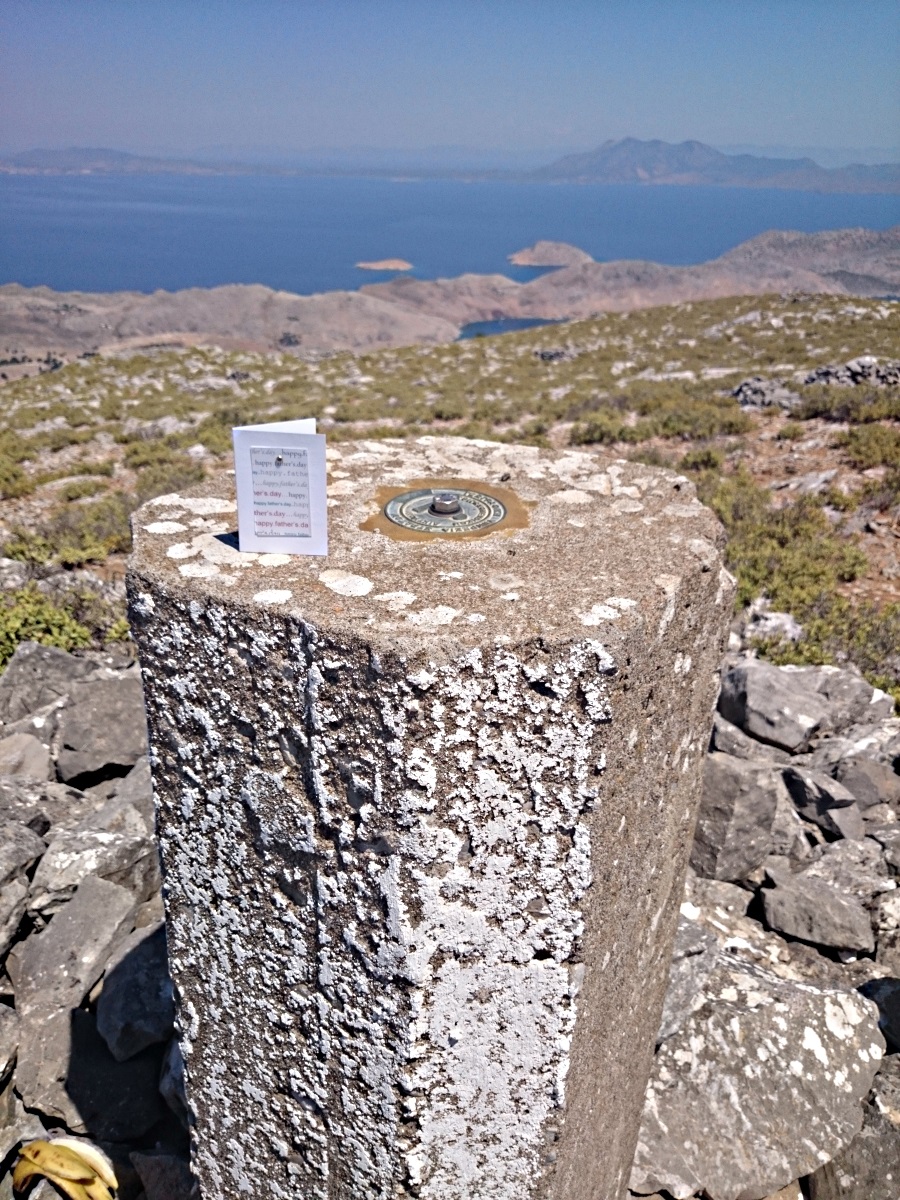
On the top of the world with a Fathers’ Day card (which this year coincided with the solstice)

On the top of the world with a Fathers’ Day card (which this year coincided with the solstice)

A panorama view from the trig point sweeping from north through east to south

A panorama view from the trig point sweeping from north through east to south

From the top the route follows bits of goat path to the other end of the ridge, pausing on the way at a ridge-top threshing circle at noon to celebrate the solstice with the customary photo of the shortest me, my shadow shrunken by the now near-overhead sun.

A shrunken me in the ridge-top threshing circle

A shrunken me in the ridge-top threshing circle

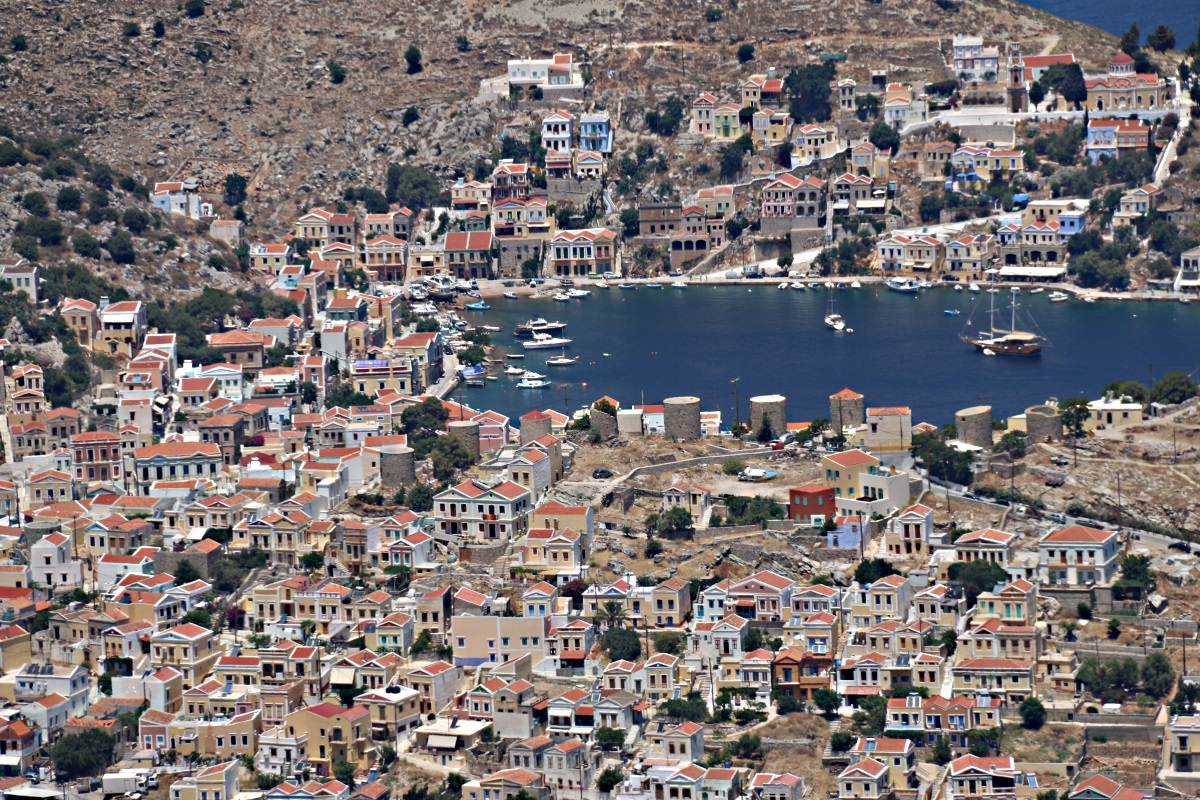
Zooming in on the harbour from the ridge top

Zooming in on the harbour from the ridge top

Finally drop down to the deserted village of Gria and then Pedi for a welcome swim.

Two:  The enclosure

On 23 June, with days now drawing in and me getting taller again, I went to check out the feature I spotted on the satellite image of the ‘hidden valley’ I wrote about last time.

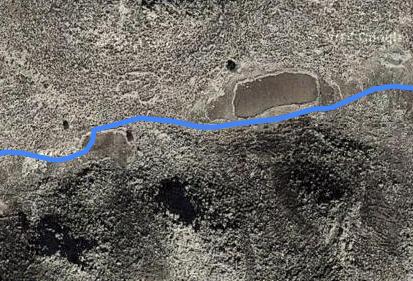
the enclosure is just above the blue track on the satellite image between the two areas of distinctly flat ground.

the enclosure is just above the blue track on the satellite image between the two areas of distinctly flat ground.

It is indeed an old enclosure.  From the route I had taken along the valley floor it looked like just another jumble of rocks and broken down terraces but looking explicitly for it there is a clear trodden path over the rocks with a large marker stone.  Walk around the perimeter and the enclosure is just as it appears on the satellite image.  One large, concentrated heap of collapsed stones in a circular shape may be an old dwelling, or not.

The enclosure walls are rough-built with irregular stone, none of it dressed, which may point to this being a very old construction.  It isn’t as big as the enclosures closer to the sea which I explored last year and it may be that this was used temporarily rather than a permanent settlement or, because it is so well hidden from the sea, it may have been used as a refuge from attack. Or it may just be an old animal pen.

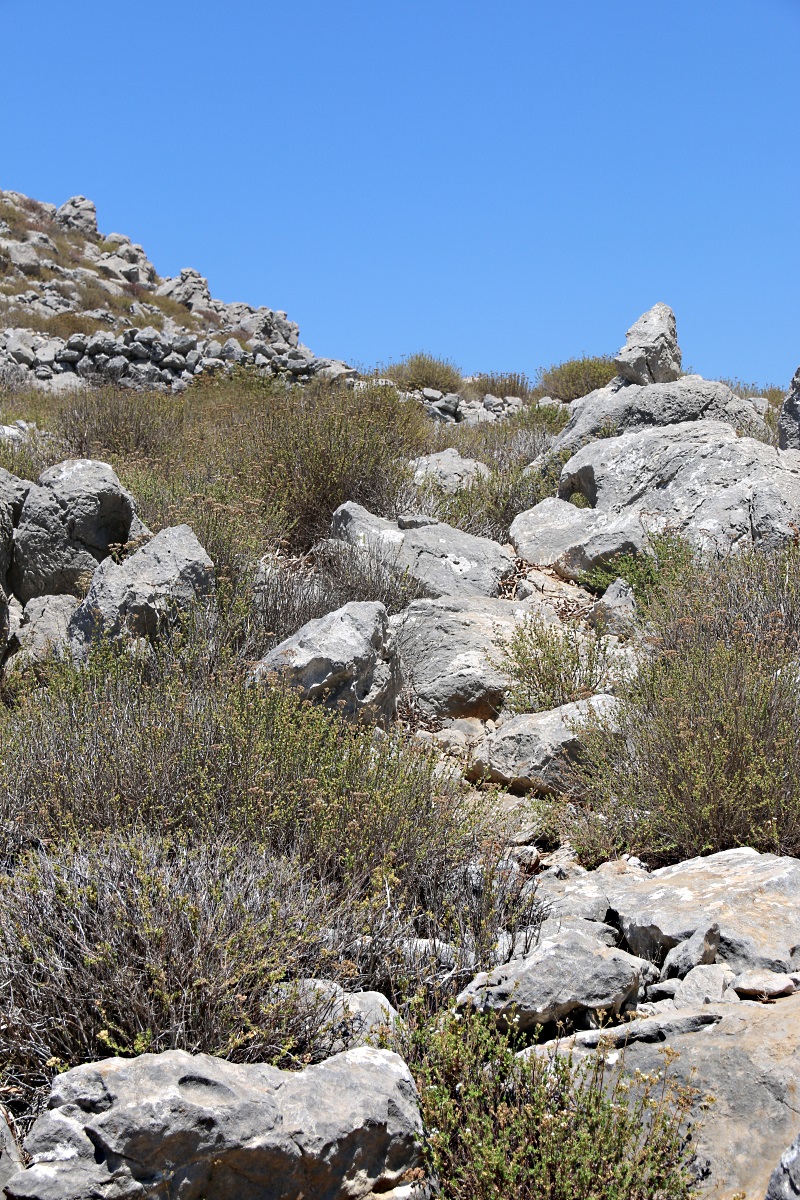
Reading the ground, this is a very clear way from the low point on the valley floor up to the enclosure with a very definite stone-on-a-rock marke

Reading the ground, this is a very clear way from the low point on the valley floor up to the enclosure with a very definite stone-on-a-rock marke

The lower edge of the curved enclosure

The lower edge of the curved enclosure

The upper edge of the enclosure, less clear but still obviously a tumble-down wall

The upper edge of the enclosure, less clear but still obviously a tumble-down wall

From the lower edge of the enclosure looking down to the flat area at the lowest point of the valley, an area cleared of stones and which floods and collects sediment

From the lower edge of the enclosure looking down to the flat area at the lowest point of the valley, an area cleared of stones and which floods and collects sediment 

Mind whirling with possible explanations for the enclosure I had been looking at, on the way back to the town I stopped off for a swim in Nimborio Bay before going over the shoulder of the hill back to the harbour.  Not very far away but out of sight, it may be that the settlement had been related to Nimborio, the name a corruption of ‘Emborios’ which is a widespread name in Greece for a trading or market place.  It’s the root of the English word ‘Emporium’.  Apparently Nimborio was the main settlement on Symi long before the current harbour was developed.  That would make sense because the shore at the head of the bay is gently shelving so boats could have been more easily beached and dragged out of the water compared with the fjord-like main harbour now.

No answers, only musings, hypotheses too grand a term for it.

Three:  The snake

Caffeined-up in a harbourside taverna I set out to walk up the Kali Strata back to the house in Horio 100 metres above.  Taking a comfortable pace so not to arrive soaked with perspiration, mind still on other things, I absent mindedly greeted a local guy walking down, as is usual and polite.  As I turned to say ‘Yassou!’, there was the sound of something dropping onto the dried up leaves behind me.

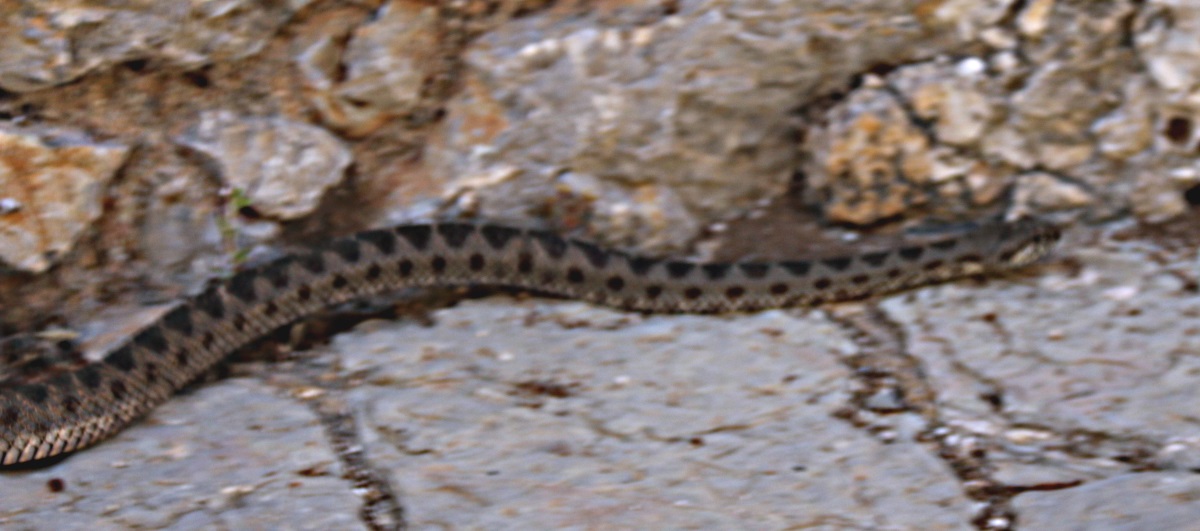
It was a 4 foot Coin-marked snake.  Climbing on the walls of one of the many ruins on the steps, presumably in pursuit of a rat or some such, it had obviously lost it grip and was now in a right panic.  I dropped my rucksack and whipped out the camera to take photos of it but it was moving so fast I had very limited success. The guy looked at me as if I was mad.  I suspect he thought I was getting out a big stick to beat it to death which is apparently the local way of dealing with snakes. It disappeared down a hole at the entrance to the derelict property.

Chasing along the side of the Kali Strata, image blurred

Chasing along the side of the Kali Strata, image blurred

Disappearing down a hole at the threshold to a derelict mansion

Disappearing down a hole at the threshold to a derelict mansion

Whimsy

Drying off in the sun after my swim at Nimborio I was playing with pebbles and balanced one thin one on its edge, and then lay down to photograph it.  Not art, just a bit of whimsy.  Later it struck me that it symbolised how finely balanced things are in Greece at the moment.  Crucial referendum on 5 July.  Banks closed for a week with a limit of €60 a day local people can withdraw from their Greek bank accounts.  Those of us with bank accounts in other countries can withdraw up to the usual limit.  The Euro is very weak against Sterling at the moment so to make sure I’m covered if ATMs are not restocked after a rush on them I took advantage of the very good exchange rate to make sure I have cash-in-hand.

Fine balance

Fine balance

x  

Posted in Greece, Hiking, History, Landscape, Mountains, Nature, Photography, Wildlife | Tagged , , , , , , , , , | Leave a comment

Symi: into a hidden valley, the past and beyond

I am increasingly fascinated by not just going ‘off piste’ on the Greek islands, but trying to understand the faint signs of the rich cultural past, trying to tread softly and see the wildlife and the plant life.  There is no substitute for trekking the mountains on foot, leaving trails and paths behind is even better.  Zooming around on a scooter or quad bike might get you to the beach a quicker but you see nothing.  And it is sad when wildlife is pancaked on the road by passing tyres.  Frogs, snakes and tortoises are common victims.

One route I have trekked a couple of times recently on Symi has been especially rewarding and stimulating, sparking an enthusiasm to try to find out more.

Starting on one occasion from the harbour, rather than 100 metres higher in the old Horio (village) where I’m staying, gave the opportunity to walk up an old kalderimi (donkey path).  They are features of historic engineering genius, as much part of the cultural heritage as the Parthenon, testimony to a lot of hard work by vigorous communities but now shamefully neglected and abused.  This one zigzags up to the ridge at the usually friendly gradient, softened by cushions of thyme, now in full flower, and with the distraction of lizards and a large and venerable tortoise.

Looking down the stone-edged kalderimi to the harbour, cushions of thyme growing in the middle

Looking down the stone-edged kalderimi to the harbour, cushions of thyme growing in the middle

Zooming in on the tiny individual flowers

Zooming in on the tiny individual flowers

lizard on thyme catching insects

lizard on thyme catching insects

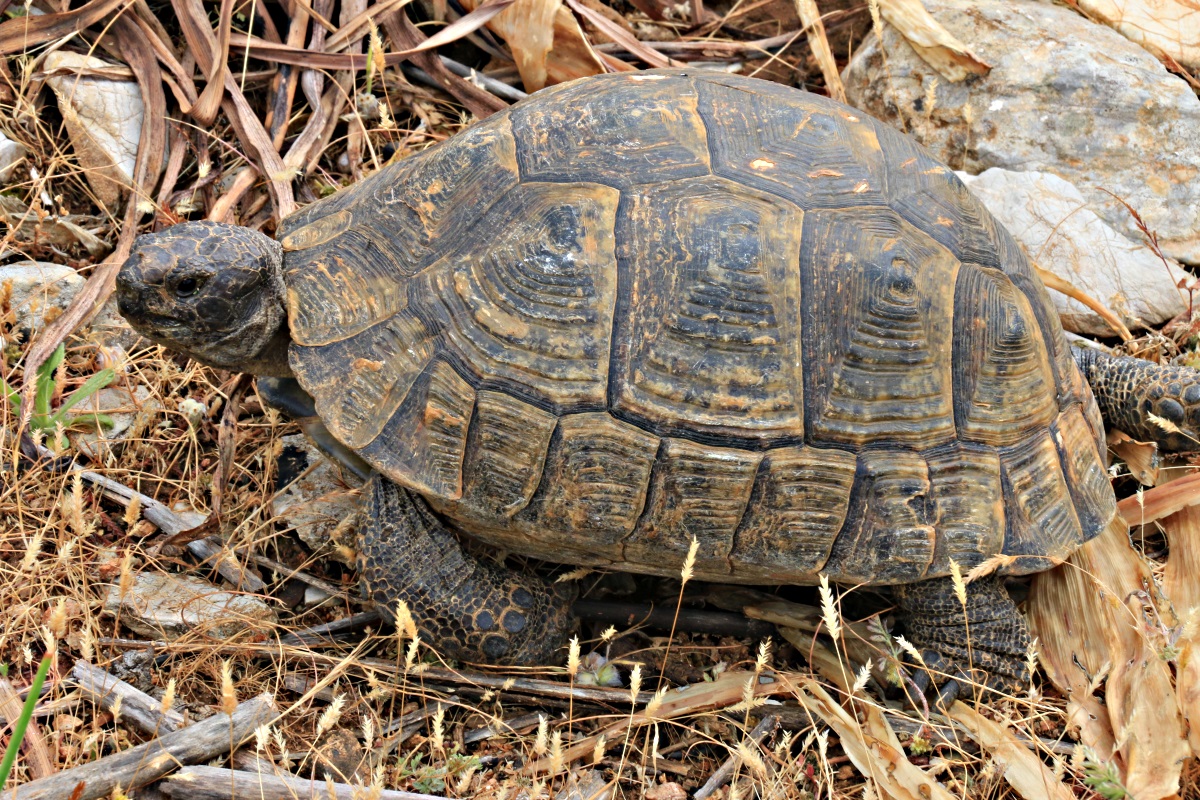
large, dark-shelled tortoise wandering across

large, dark-shelled tortoise wandering across  

From the top of the kalderimi there are a couple of kilometres of road to trudge but the boredom is relieved by taking a diversion to an old windmill and cutting hairpin bends by crossing broken terrain.   Cutting one bend means dropping down razor-sharp limestone where inattention could have unpleasant consequences.  But it’s great fun.  I do it every time.  Keeps you switched on.

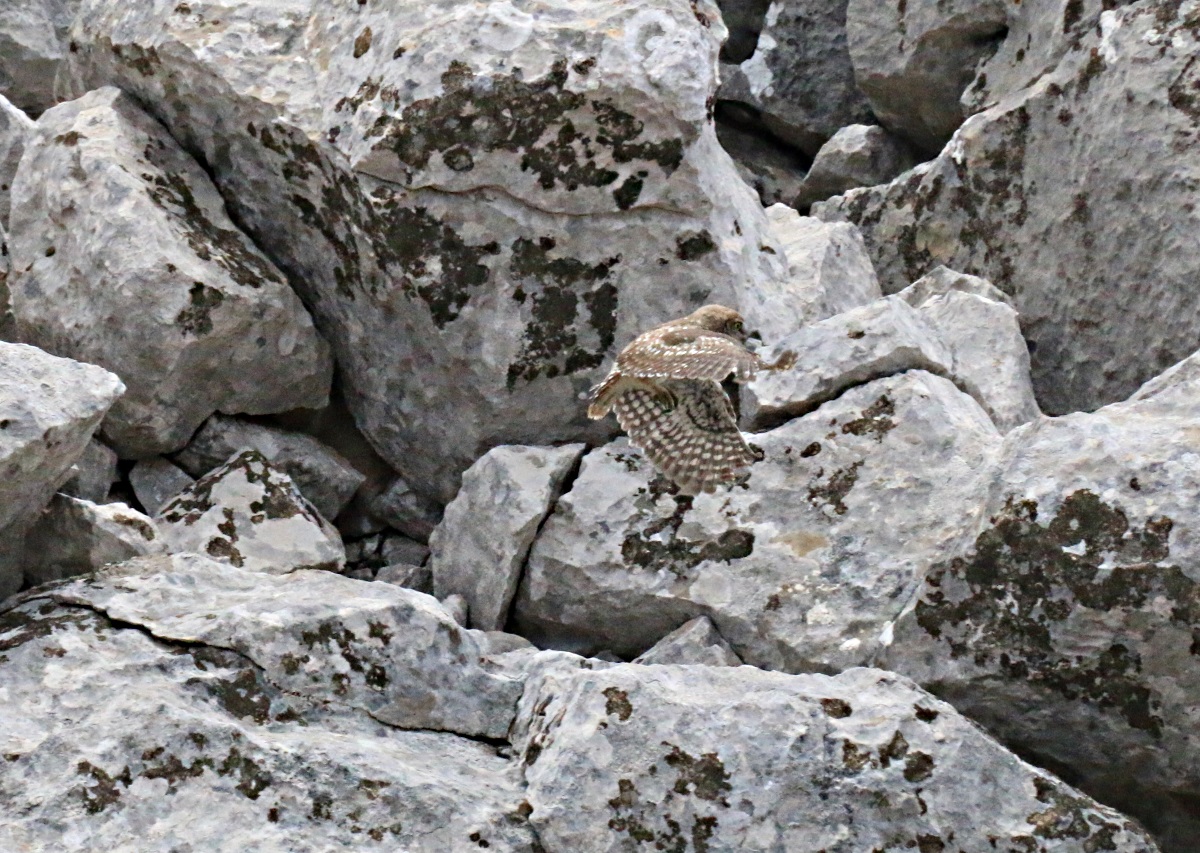
While climbing up a gulley towards a col I spooked a Little Owl (Athene noctua).  Unlike other owls they often perch prominently during the day but don’t like you getting too close.  The one I spotted, but not before it spotted me, flew off and perched on top of a fence post made of steel reinforcing rod, just about within photographable distance with the zoom lens on my SLR.  Then another flew off to my right and landed on a rock.  I have been trying to photograph Little Owls for weeks but got nowhere near close enough, now two within a minute.

Little Owl on a distant post at x200 zoom

Little Owl on a distant post at x200 zoom

using computer software and the high resolution image to zoom in further

using computer software and the high resolution image to zoom in further

its friend flew down and sat on a rock

its friend flew down and sat on a rock

The next part of the route starts in the col on an old footpath which has been largely destroyed by a dirt-track bulldozed across the mountainside to provide access to what was a secluded beach but is now of the taverna-and-sunbed variety. Apparently the taverna is very good.

Close to the end of the track a path climbs up steeply towards the crags to the right.  Very narrow but mostly quite clear, I suspect kept open by migrating goats rather than the occasional passing human.  Certainly it isn’t marked in any way at any point, no paint splodges, cairns or stones-on-rocks.

Towards the top it broadens slightly before going steeply into large rocks.

 squeeze between and around two large rocks and then climb up a rock outcrop at an easy angle

squeeze between and around two large rocks and then climb up a rock outcrop at an easy angle

Cresting the low ridge of a col, pick your way carefully across large limestone slabs …. and this is where it begins to make you scratch your head and wonder what is going on.  You’re looking along the length of an east-west valley flanked by towering limestone crags.  It can’t be seen from anywhere except around its rim.  Until you get there you have no idea it exists.

The vegetation is densely growing oregano with the occasional hummock of thyme and a couple of isolated olive trees in the distance.  But between the oregano are areas with no vegetation at all, just circular or elliptical areas of bare rock and stones.

Having scrambled up the rocks ,standing on the rim and looking along the length of the hidden valley

Having scrambled up the rocks ,standing on the rim and looking along the length of the hidden valley

At the edge of the largest of the bare patches

At the edge of the largest of the bare patches

The goat path picks a way through the oregano towards the largest of these and, very faintly, crosses it to resume a way through the oregano on the other side.

It then reaches a larger outcrop of low limestone slabs and standing on the edge it is clear that the rocks drop down into an area which is completely flat and totally devoid of vegetation.  It is also clear that this area is well below the lowest point of the rim of the valley.  It must drain inwards, the water would need to be at least 7 metres deep before it reached a point where it could overflow the edge.  The vegetation shows that it is never flooded to that depth.

Dropping down across the rocks rather than following the goat path you pass a vertical fissure, about 4-5 metres deep before it is choked with stones.  Looks to me like the entrance of a fault cave which may act as the outlet for water from the valley, a kind of plug hole. Put this together with the areas of bare stones higher up raises the possibility that they might be filled-in sink-holes, any rain draining straight through like a giant sieve.  I don’t know anywhere near enough geomorphology to do more than ask questions.

Standing alongside the fissure in the rocks and the ground rises up in all directions save for a  couple of metres’ drop to the barren flat area at the lowest point.

Able to see the flat area at the bottom of the valley for the first tim

Able to see the flat area at the bottom of the valley for the first time

15Symi165w1254

Standing above the large fissure in the rock outcrop

Photographer on the lip of the fissure

Photographer on the lip of the fissure

Looking across the fissure to the crag on the north side of the valley

Looking across the fissure to the crag on the north side of the valley

Looking across the fissure back the way I came

Looking across the fissure back the way I came

The low point, so flat that it must have been laid down by sediment settling out of  standing water,  is surrounded by rocks and large stones which have probably been cleared from it, except for a straight line of stones across it which may be a vestigial field boundary.  The surface of the soil is cracked and split in the same way that lakes and ponds crack when they dry up.  On the satellite image of Google Earth this and another area nearby look more like ponds than dry land.

There is no sign of there having been habitation in the valley, except for the olive trees, but again close examination of the satellite image shows faint traces of what might have been a small family homestead.  I will try to locate it on the ground but am not optimistic of success in the jumble of rocks and oregano..

It’s pure conjecture on my part, no evidence in support of it, but it could be that this a small rift or fault valley which flooded naturally in times of heavier rainfall and people took advantage of the gratuitous irrigation by clearing the lowest points where the water would collect.  These would have been Pelagic peoples,  not great civilisations like the Dorians or Minoans but small isolated groups struggling for survival.

Extract from the tracking software used for the trek, superimposed on satellite image showing the two areas of radically different ground texture and the faint outline of a possible relict settlement (resolution poor because image degraded at source  for ‘security’ reasons

Extract from the tracking software used for the trek, superimposed on satellite image showing the two areas of radically different ground texture and the faint outline of a possible relict settlement (resolution poor because image degraded at source  for ‘security’ reasons

Though Symi is not volcanic, unlike nearby Nisyros,  there is enough evidence of seismic activity in the area to make the ‘Rift Valley’ theory a possibility.

Crossing the now arid area I spotted another Little Owl in the rocks off to the side.  This one wasn’t spooked as easily as the other two I saw earlier in the morning, maybe because it rarely if ever sees a human and was curious.  It sat there watching me inquisitively, impassively, as I moved closer with the camera.  Then it flew off a few yards and watched me as I drew closer again before finally deciding enough was enough, took off like a Harrier Jump Jet and set down higher on the crag.

Two olive trees: one obviously very ancient and very dead.  An indication of long-ago settlement?

Two olive trees: one obviously very ancient and very dead.  An indication of long-ago settlement?

Spot the owl

Spot the owl

“I’m watching you!”

“I’m watching you!”

“think I’ll move away a little”

“think I’ll move away a little”

“I can see you creeping up again”

“I can see you creeping up again”

“That’s it!  I’m off”

“That’s it!  I’m off”

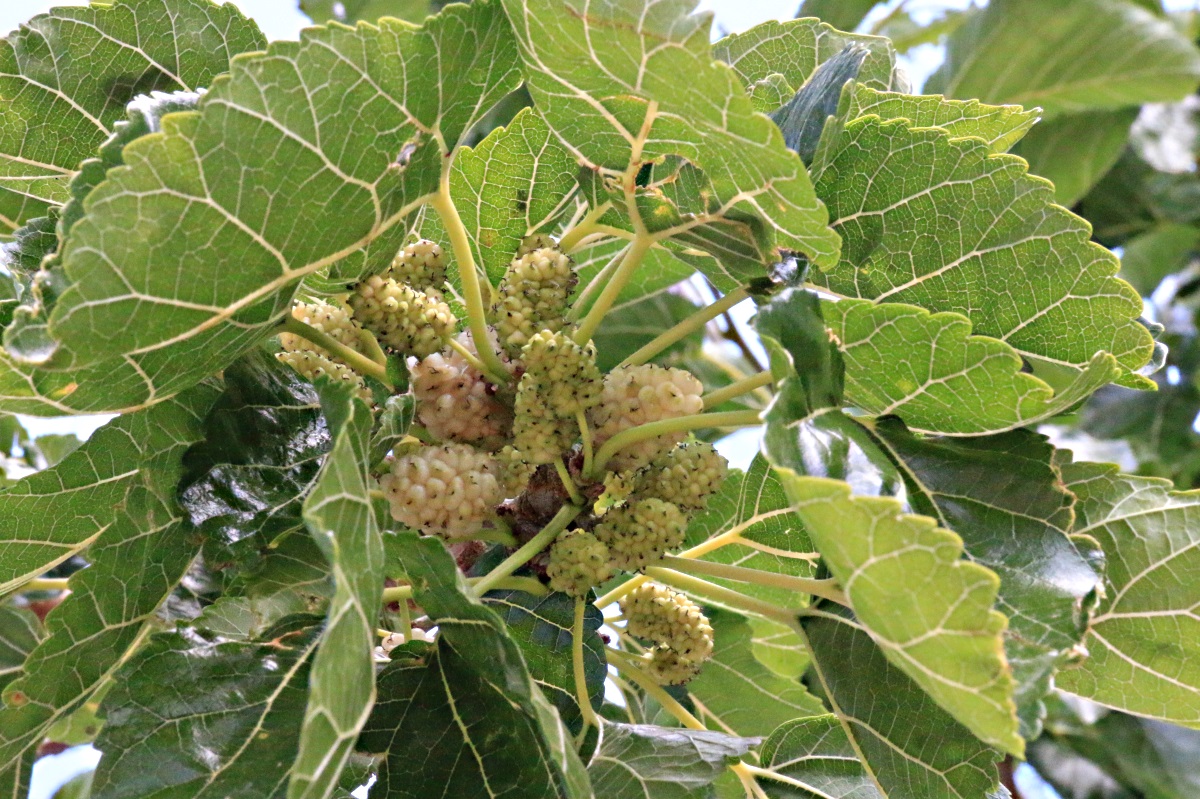
I was pretty elated for the rest of the trek.  Markers I had placed last year to guide the tortuous route through the razor-sharp high limestone crags were still in place and when I reached the tiny monastery of Agios Nikolaos Stenou the mulberry tree in the courtyard was laden with ripe fruit.

One of the ‘stone-on-a-rock’ trail markers I left last year

One of the ‘stone-on-a-rock’ trail markers I left last year

White mulberries

White mulberries

White mulberries with Greek yogurt and honey after my evening meal.  Doesn’t get much better.

Posted in Greece, Hiking, History, Landscape, Mountains, Nature, Photography, Wildlife | Tagged , , , , , , , , , , | Leave a comment

Symi: the end of Spring

A wet winter and a cool spring made for an even more than usually vivid display of colour and life on Symi, the island reputed to be the hottest and driest in Greece.  In the summer months it is bleached and barren, a hot rock, so coming into May with vegetation starting to crisp up ever more rapidly, the remaining colours of Spring seem even more vibrant, animal life more manically active before hiding from the life-sapping heat.

Scarce Swallowtail on a cornflower growing in the top of a wall, backlit by early morning sun

Scarce Swallowtail on a cornflower growing in the top of a wall, backlit by early morning sun

 Oertzeni lizards, I still don’t know whether fight or foreplay but having seen several in the same position I suspect the latter

Oertzeni lizards, I still don’t know whether fight or foreplay but having seen several in the same position I suspect the latter

High above the harbour, a bright green Oertzeni lizard is king of the rock

High above the harbour, a bright green Oertzeni lizard is king of the rock

“I’m not coming out until you go away”

“I’m not coming out until you go away”

Darker, bigger, older and bolder, not put out by pointing a camera at it

Darker, bigger, older and bolder, not put out by pointing a camera at it

“What do you mean you can tell I’m old because of the wrinkles in my neck?”

“What do you mean you can tell age by the wrinkles in my neck?”

Painted dragon lizard, very wary

Painted dragon lizard, very wary

On the back of one of the chairs in the courtyard putting up with the heavy spring shower

On the back of one of the chairs in the courtyard putting up with the heavy spring shower

 ..... until it becomes torrential, requiring a change of orientation, pointing into the downpour

….. until it becomes torrential, requiring a change of orientation, pointing into the downpour

134

Red Darter disporting himself on the rocks slabs by the pond at Gria

Red Darter disporting himself on the rocks slabs by the pond at Gria

 .... and a blue one close by

…. and a blue one close by

Crumbling neo-classical pediment hosts house leeks and wall hyacinth

Crumbling neo-classical pediment hosts house leeks and wall hyacinth

Flowers about 3-4 mm across on stems 3-4 cms high

Flowers about 3-4 mm across on stems 3-4 cms high

Holy Orchid in deep shade coming into flower as its neighbours in sunny positions are going to seed

Holy Orchid in deep shade coming into flower as its neighbours in sunny positions are going to seed

Wild hollyhock backlit by late afternoon sun

Wild hollyhock backlit by late afternoon sun

Ground hugging in rocky terrain

Ground hugging in rocky terrain

Seed head of Viper’s Grass (I think), the same diameter as the young tortoise nearby, symbolises the purpose behind all the colour of the last two months, ensuring the continuation of the species.

Seed head of Viper’s Grass (I think), the same diameter as the young tortoise nearby, symbolises the purpose behind all the colour of the last two months, ensuring the continuation of the species.

x
Posted in Greece, Nature, Photography, Spring, Wildlife | Tagged , , , , , , , , , , , , | 2 Comments

Symi: coast to coast

There is a certain smug satisfaction in casually dropping into conversation in the taverna over an end-of-trek beer  “I walked across the island today”.  OK, so on a small island like Symi it’s not exactly Wainwright’s 192-mile epic but it sounds good. Even if you don’t mention it to anyone it’s still very pleasing to do.

The walk to Lapathos Beach below the tiny edge-of-cliff monastery of Agios Vasilios though only 3 miles each way, is indeed across the island from the east to the west coast, climbing to the main ridge dropping down to sea level and then back again.  It’s a great trek, though hot work on the return leg in mid-summer and the final section to the beach is not for the trepid.

The climb to the ridge is on an old kalderimi with memorable (and a string of cliché superlatives) views down to the harbour and over Pedi Bay.  It reaches The Tarmac at 275 metres and crosses it to wind down through the once-agricultural, now increasingly urban, village of Ksisos before diving between chain link fences and onto an unspoiled mountain path.  You have to put up with the snarling, aggressive dog on the one side until you reach the end of the enclosed land but pick up a rock and pretend to be prepared to throw it and the dog skulks off silently.

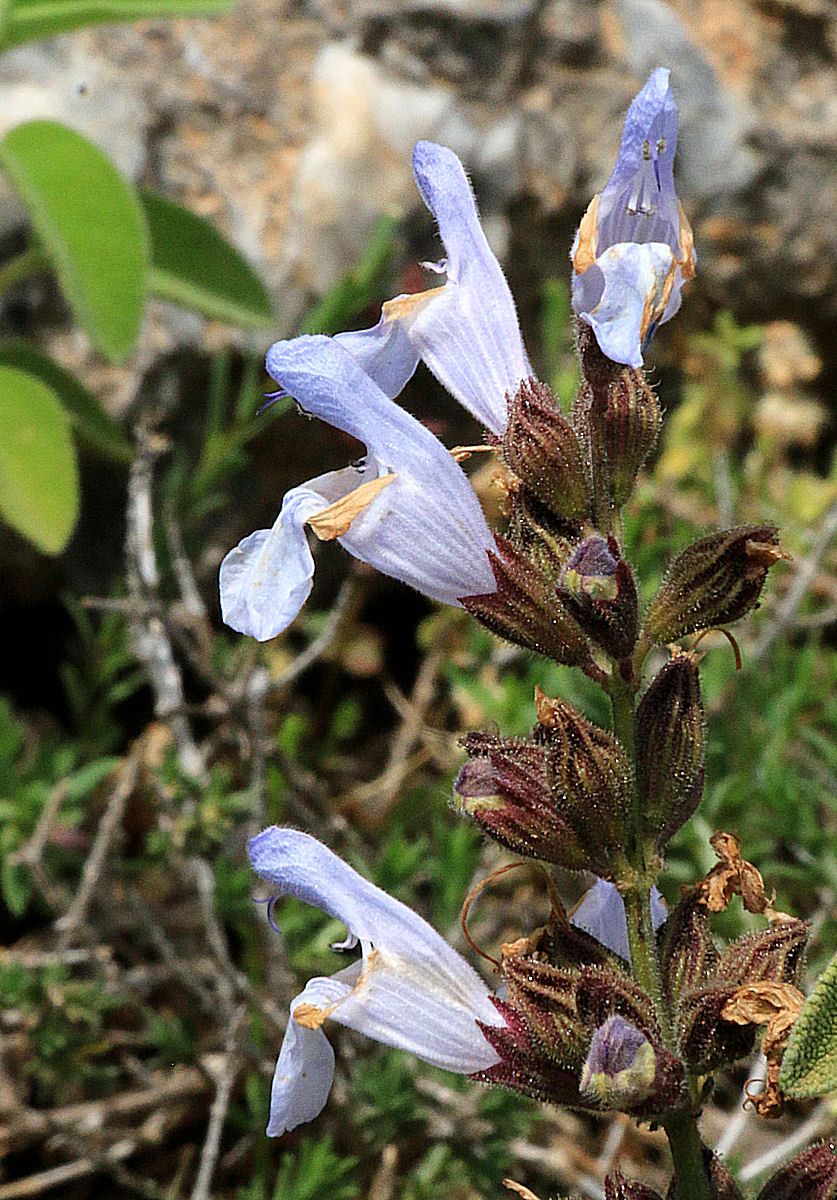
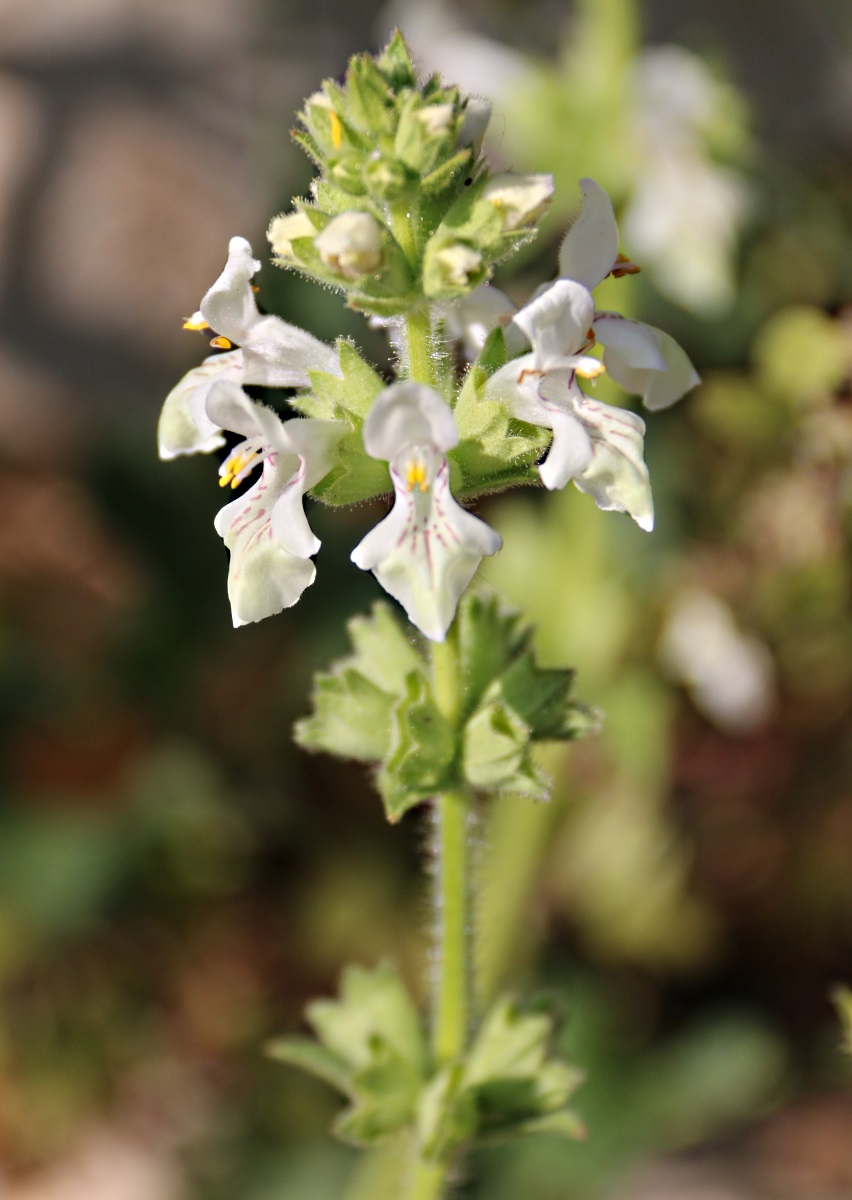
The narrow but very clear path flanks increasingly high above the Vasilios Gorge, the bed of which drops rapidly down.   The mountainside here is covered in sage, at the end of April and early May in flower and buzzing with bees.  Brush against it, as inevitably you must, and the air becomes fragrant.  It is a characteristic of Symi that some mountainsides are covered in sage, others in oregano and others in thyme.  The sage flowers earliest in spring, then the oregano and then towards the end of May and into June, the thyme.  Some areas have both sage and oregano but mostly it is one or the other.

Sage in flower

Sage in flower

close up of the cavernous invitation to the bees

close up of the cavernous invitation to the bees

Finger dancing

Finger dancing

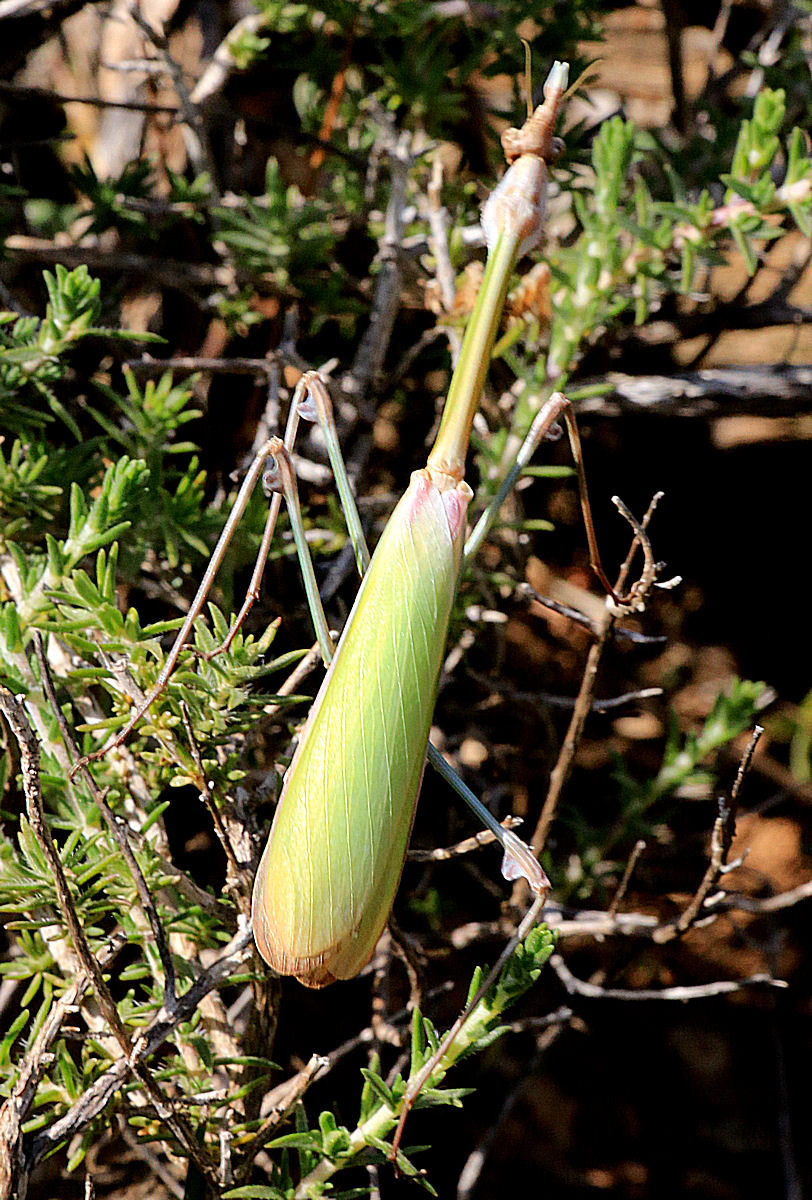
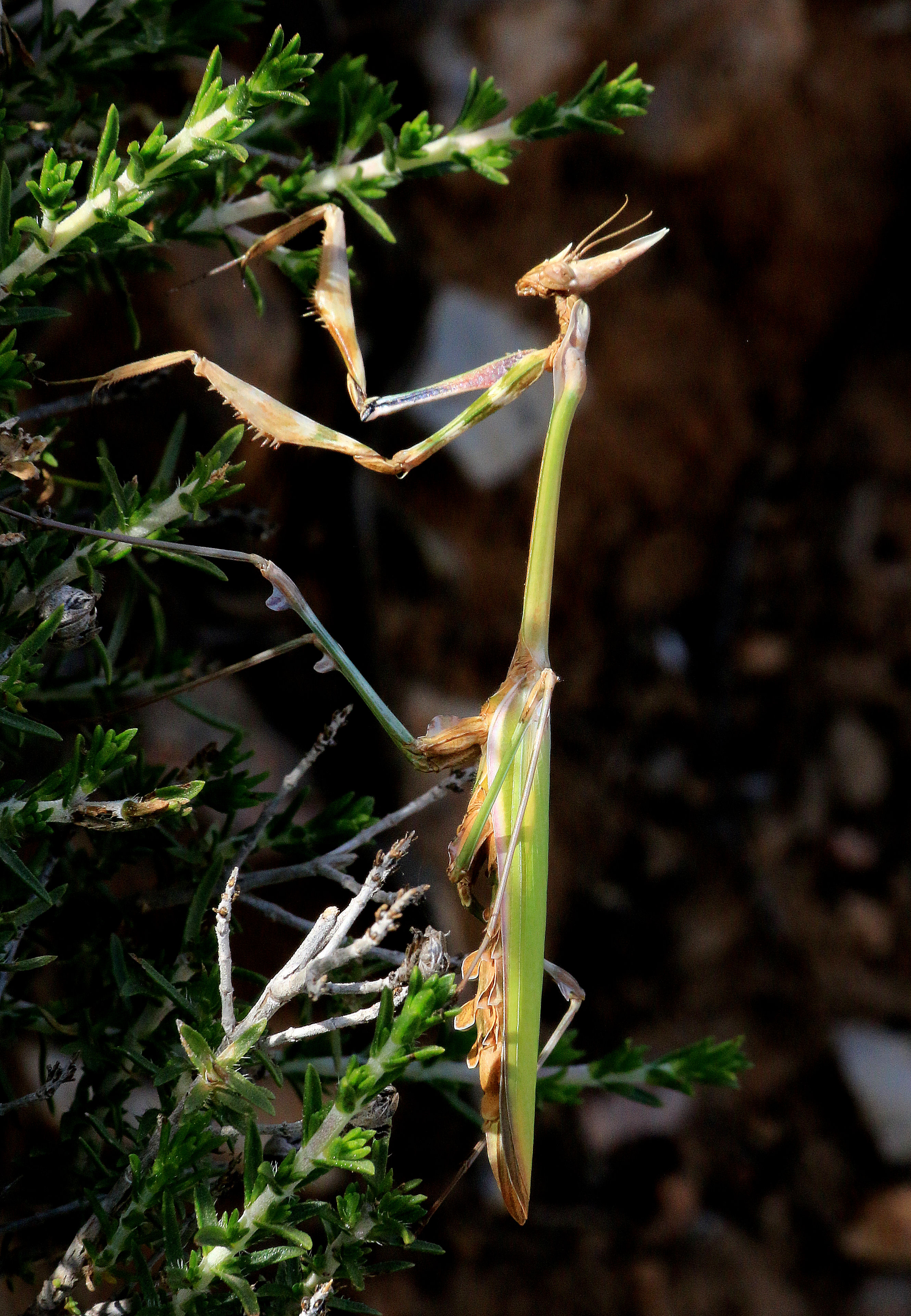
Paying careful attention to where you put your feet has its rewards. I spotted what looked like a larger than usual bright green leaf or seed pod but which, on closer examination, turned out to be a 6-7 cm long mantis.  It’s easy to see where old science fiction films got their inspiration for aliens.

At first glance it looks like a large seed pod

At first glance it looks like a large seed pod

but closer examination tells a different story

but closer examination tells a different story

I think it's native to the planet Earth but ......?

I think it’s native to the planet Earth but ……?

When Lapathos beach first comes into view the buzz of pollen-gathering is silenced by the buzz of anticipation in the brain.  Soon the path veers rightward to cross the top of a deep, steep sided-gully and then it reaches a cliffed edge where the gorge goes dramatically and impenetrably off to the left and the trail picks its way through sharp limestone rocks straight ahead towards the coast.  Narrower and in places more difficult to follow now, the route is marked by stones cairns, some more artistically built than others.

Looking down the Vasilios Gorge towards Lapathos Beach

Looking down the Vasilios Gorge towards Lapathos Beach

One of the more artistic cairns

One of the more artistic cairns

Eventually the gradual meandering descent reaches the edge of the cliffs above the diminutive monastery of Agios Vasilios, a photo of which graces the cover of the SKAÏ map of the island.

The onward route to the beach some 65 metres below, precipitously hugs the edge of the cliff for a few metres and then drops near-vertically down a rocky gully.  Sharp limestone means there is no problem with getting a grip underfoot but care is needed to avoid abrasions and cuts.  Then at the base of a high but shallow cave the path becomes very loose.  Though it had  started to compact slightly over recent years the heavy rains of last winter have caused erosion and it is once again scree so care is needed to avoid sliding on one’s Londonderry Air (pardon my French).

The final slither to the pebbly beach and a cooling swim is welcome.

West facing beaches accumulate more flotsam and jetsam than those on the east and for some reason this year there seems to be inordinately large amounts of bamboo washed up.  Crossing over that and the beach profile rises from a 6-inch tidal range (a marvel to those of us used to the range of up to 50-foot along the South Wales coast) to cypress woodland behind and about 5 or 6 metres higher which offers welcome shade from the midday sun.  The beach material is mostly pebbles though with patches of rounded gravel and course sand, ideal for slouching on to dry in the sun after a swim, unless you perch on the mermaid rock by the water’s edge.  The mermaid has yet to put in an appearance but I’m optimistic and wait patiently.

Lapathos is an isolated beach, only reachable on foot or by boat, part of its appeal.  Until the main tourist season begins there are no boat trips so you can have it to yourself.  Very liberating.  But there is a surprise here in Spring.  There are dramatically colourful flowering plants over much of the island at this time of year but here on the beach, a truly desert environment, there are tiny plants dotted around in the gravel and between the rocks. At most 2 or 3 cms high they could not be described as dramatic but are testimony to the power of survival under the most adverse conditions.  I struggled to photograph them without a macro lens.

Barely 2 cms high

Barely 2 cms high

.... going up to 3 cms

…. going up to 3 cms

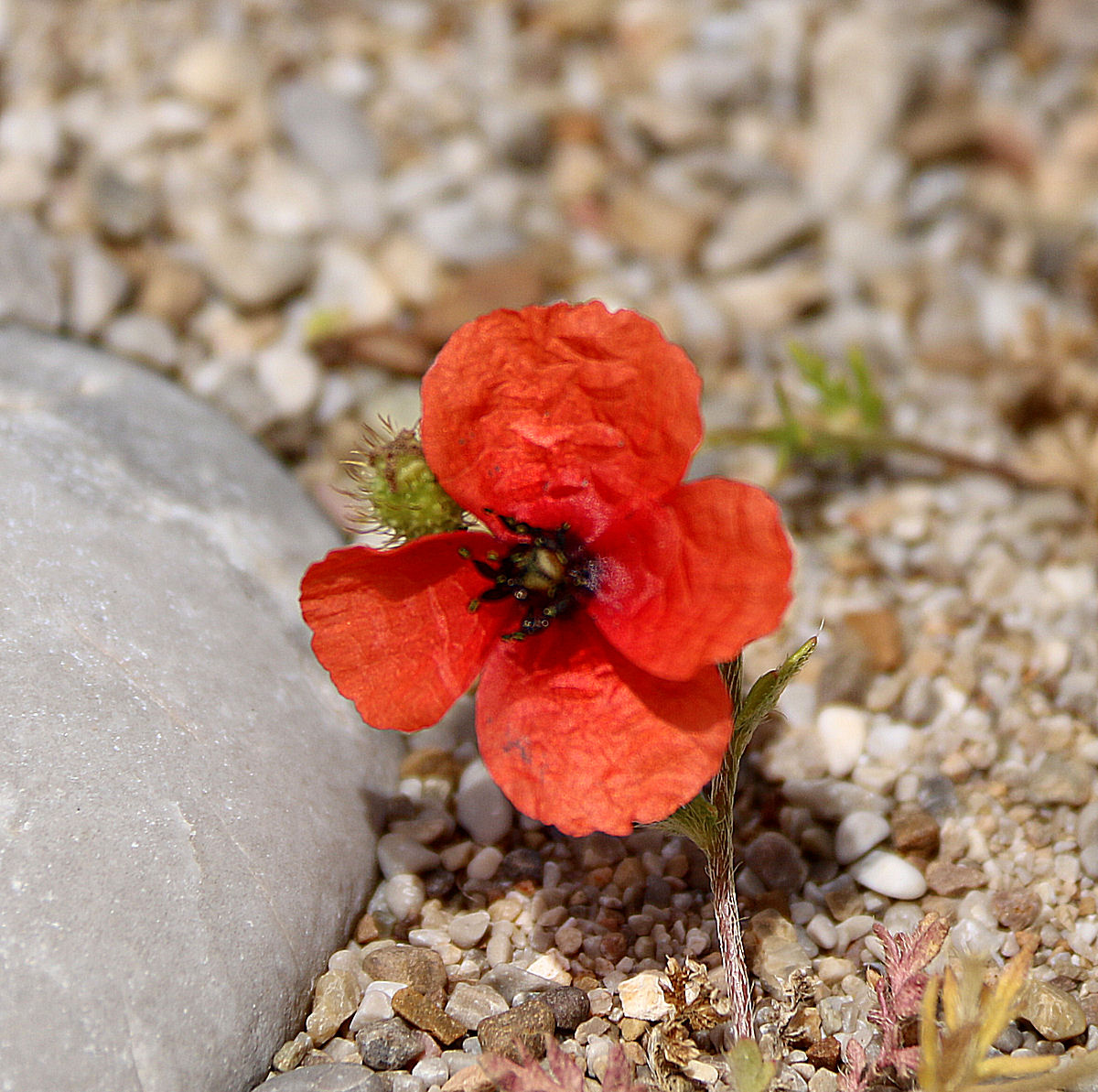
A poppy dwarfed by the arid conditions

A poppy dwarfed by the arid conditions

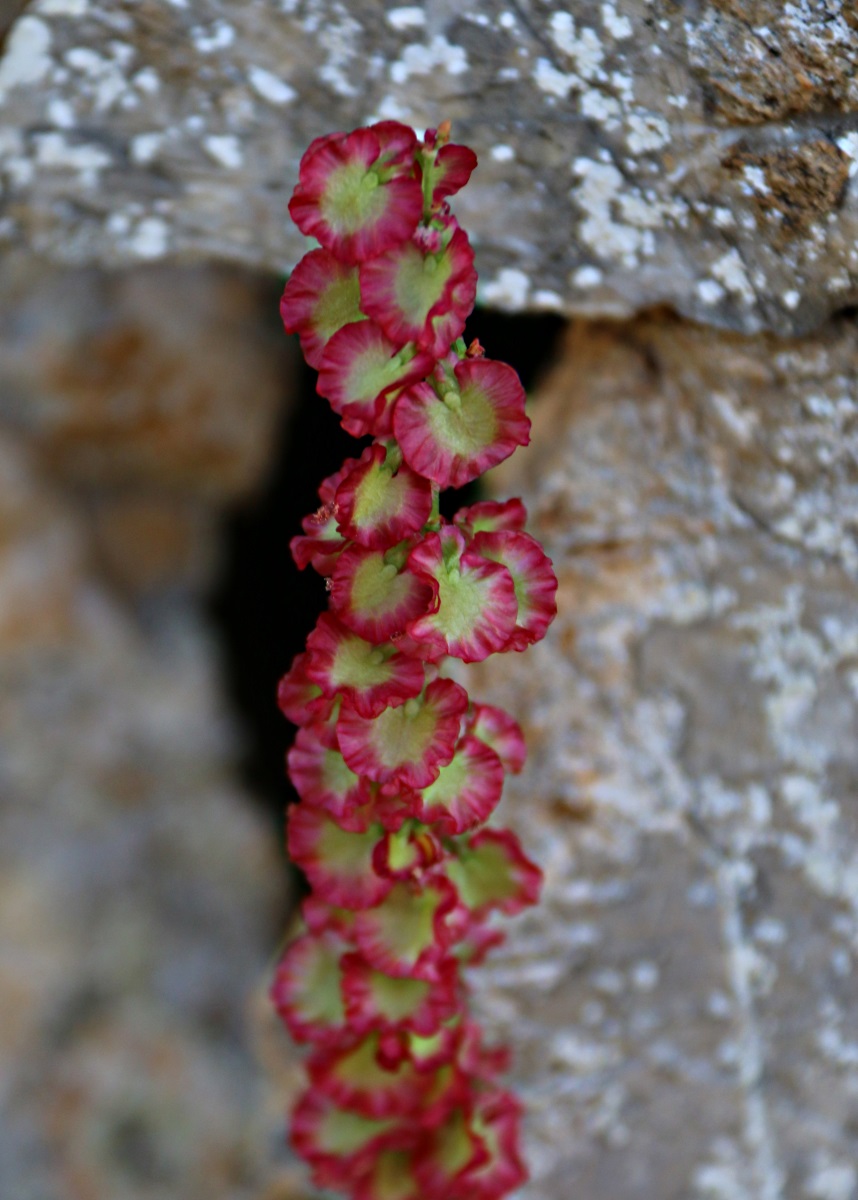
massed seed heads ready to continue the life cycle

massed seed heads ready to continue the life cycle

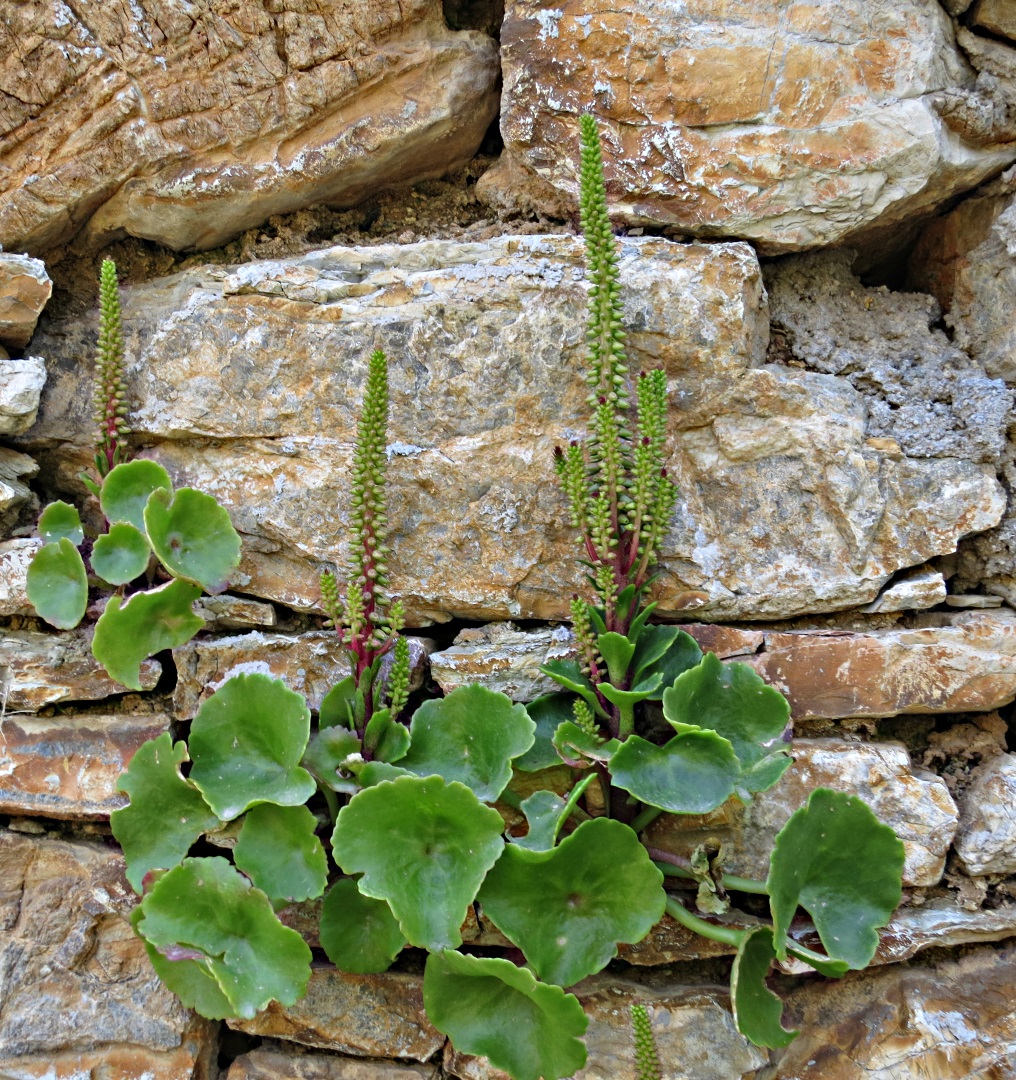
2 cms high Sedum in full flower

2 cms high Sedum in full flower

A few dwarfed sage

A few dwarfed sage

... and oregano

… and oregano

Diminutive but brightly coloured

Diminutive but brightly coloured

At the back of the beach and at the foot of a towering, vertical cliff is a permanent pond.  Fenced off by rickety chain link fence in a small enclosure, the sides stone-walled and stepped to allow access to goats, the water level barely seems to vary through the summer.  But one thing is clear.  The water level is about 2 metres below that of the beach above with its population of tiny plants.  How do they survive?

The cliff towering vertically up at the back of the beach

The cliff towering vertically up at the back of the beach

At the base of the cliff and close to the pond, one large Dragon Arum

At the base of the cliff and close to the pond, one large Dragon Arum

(The route is described on Walk 2 under ‘Symi’ of the Greek Island Walks page of the blog or click here, with the route through the labyrinthine alleys of Horio onto the kalderimi described in Walk 1 click here).

Posted in Greece, Hiking, Landscape, Mountains, Nature, Photography, Spring | Tagged , , , , , , , , , , , , | 2 Comments

Symi: the island in colour

Most visitors to Symi come in the summer months. During the day they lie sweating in the sun coated in Factor 50 and then, showered and perfumed, in the evening sashay to the taverna or restaurant of choice.  And have a great time.

The impression they gain is of an island completely dry and barren, a hot rock of dazzling limestone crags and parched ground, the majority of the vegetation brown and crisp. Apart from the cypress woodland only the oregano, sage and thyme, all unpalatable to the goats add colour, and by the end of August even these herbs are crisping up.  I first visited Symi during August and trekking in the mountains this was very much how the island seemed.  And I loved it.

Now I come in the early Spring when by contrast the island is greener, a backdrop to the wide variety and large number of flowering plants  ……. with few visitors to appreciate the colour.  Always welcoming, local people seem to have an even warmer welcome for the those breaking the mould of package tourism and travel independently in early season.

The rewards are stunning for those interested in the natural world, with an eye for flora and fauna.

I go walking every day. Most of the treks I have been on in the mountains on Symi so far this year have been at a relatively slow pace for me. This is partly an inevitable consequence of needing to build up stamina after 2 months of relative inactivity following skiing in Canada and partly to acclimatize to the heat of the Southern Aegean.  However, to a large extent it has also been because of the constant distraction of stopping to photograph plants and wildlife.

I’m not a professional photographer.  I’m an outdoors person who takes photos not a photographer who goes out walking and climbing to get my shots.  Nor am  I a botanist. My interest in flowering plants is aesthetic not botanical.  I try to find out names of what I’m looking at but with limited availability of expertise to call on there are many I don’t know.

This interest will have been evident from the blogs I have posted so far.  But I can’t keep up the writing because my passion is being out there doing things not writing about it.

To give an impression of what the island is like in full spring colour, I have pulled together some of the photos of flowering plants which I saw during April and not yet included in the blog.  This is by no means a comprehensive picture of all that there is.  Some  flowers are individually so small that to do them justice a macro lens would be needed.  Others I have an irrational aversion to.  For example, for some reason I haven’t taken any photos of the prolific yellow flowered Jerusalem Sage even though it would be easy to do so..  Maybe it’s the fact that it isn’t a sage at all  and doesn’t have aromatic foliage, or just that its habit is sprawling and unappealing.   Nor have I included photos of the plants I took on a walk to Agios Vasilios beach on the far side of the island.  Because they are so different from anything else I’ll include a separate post for them

I’ll also add a post of the many plants still in flower in May.  Different locations, north or south facing aspects, different altitudes or soil types, relative amounts of moisture in the ground can mean that  plants of the same species may be in flower a month apart.  Others are just appearing.

The more I go off the beaten track and wander the mountain the more I’m amazed by the richness of the flora of the island and the broad palette  of colours.

15Symi074w7128

Viper’s Bugloss, sometimes growing singly, sometimes in large clumps

Pyramid orchids high on a ridge above Pedi Bay

Pyramid orchids high on a ridge above Pedi Bay

in colours ranging from white to deep pink, each stem up to a metre tall

in colours ranging from white to deep pink, each stem up to a metre tall

I know this as a ‘House Leek’, this one a variety possibly specific to Symi

I know this as a ‘House Leek’, this one a variety possibly specific to Symi

 ... and I know this as Wall Hyacinth

… and I know this as Wall Hyacinth

One of the many plants I don’t know

One of the many plants I don’t know

last mandrake flowers, leaf back-lit by late afternoon sun

last mandrake flowers, leaf back-lit by late afternoon sun

Apparently called Bitumen Clover, so called because when crushed in the hand the leaves smell of ....

Apparently called Bitumen Clover, so called because when crushed in the hand the leaves smell of ….

Seed heads of Star Clover

Seed heads of Star Clover

Glorious Dock 

Glorious Dock

Bright yellow now but in a few weeks it will be brown and crisp

Bright yellow now but in a few weeks it will be brown and crisp

more than 40 cms across and one of very few not munched by goats

more than 40 cms across and one of very few not munched by goats

Detail of Dragon Arum, this spathe was over 70cms long

Detail of Dragon Arum, this spathe was over 70cms long

Pink poppy, common in garden centres but rarely found in the wild.

Pink poppy, common in garden centres but rarely found in the wild.

Two of the most flamboyant plants in April on Symi, Crown Daisies and poppies

Two of the most flamboyant plants in April on Symi, Crown Daisies and poppies

... in profusion

… in profusion

Growing out of small gaps between rocks, each flower about 5-10 cms across, but again no idea what they are called

Growing out of small gaps between rocks, each flower about 5-10 cms across, but again no idea what they are called

Found on the top of a ridge I think this may be a variety of Squirting Cucumber (Ecballium elaterium).  I’ll need to go back to check when it fruits. Or it may be a Convolvuls.  Or Something Else Entirely.

Found on the top of a ridge I think this may be a variety of Squirting Cucumber (Ecballium elaterium).  I’ll need to go back to check when it fruits. Or it may be a Convolvuls.  Or Something Else Entirely.

Star of Bethlehem, this one with a green strip in the centre of each petal

Star of Bethlehem, this one with a green strip in the centre of each petal

I found this little fellow in the kitchen sink when I went down to make breakfast.  Dropped in and couldn’t climb out. Known as a Turkish Kecko or Mediterranean House Kecko.. Just wide eyed innocence.  I relocated it into the avli (courtyard).  

I found this little fellow in the kitchen sink when I went down to make breakfast.  Dropped in and couldn’t climb out. Known as a Turkish Kecko or Mediterranean House Kecko.. Just wide eyed innocence.  I relocated it into the avli (courtyard).

“What do you mean I’ve got my intestines hanging around my neck .... ?” 

“What do you mean I’ve got my intestines hanging around my neck …. ?”

Scarce Swallowtail settles fleetingly on cornflower

Scarce Swallowtail settles fleetingly on cornflower

This one I’m pretty sure is a Squirting Cucumber

This one I’m pretty sure is a Squirting Cucumber

Inside the walls of a monastery and protected from the goats, tall grasses and Tassel Hyacinths

Inside the walls of a monastery and protected from the goats, tall grasses and Tassel Hyacinths

Elegant flowers of one of the hundreds of species of wild Allium - the family which includes  onions and garlic

Elegant flowers of one of the hundreds of species of wild Allium – the family which includes  onions and garlic

I think this is Goat’s Beard (Tragopogon pratensis) but it may be Viper’s Grass (Scorzonera humilis)

I think this is Goat’s Beard (Tragopogon pratensis) but it may be Viper’s Grass (Scorzonera humilis)

Campanula growing out of a crag

Campanula growing out of a crag

 .... close up

…. close up

Delicate stems and flowers of Quaking Grass (Briza maxima)

Delicate stems and flowers of Quaking Grass (Briza maxima)

Finally, on the edge ..... contemplating Life, The Universe and Everything

Finally, on the edge ….. contemplating Life, The Universe and Everything

Posted in Greece, Hiking, Landscape, Mountains, Nature, Photography, Spring | Tagged , , , , , , , , | 1 Comment