Symi:  Going wild again

Flight back to Rhodes Saturday.  Ferry to Symi early Sunday morning.  A few hours putting the house back to rights after leaving it packed up in a hurry not knowing when, or if, I would return.  Sunday afternoon I took to the hills.

Only a short walk, about five miles, but it was intoxicating.  When you face the possibility that something you deeply enjoy may be taken away from you, the pleasure you get when you return to it is greater than before.  I wasn’t exactly skipping along bellowing the ditty from The Sound of Music but there was a bounce in my step and I was more than ever aware of my surroundings.

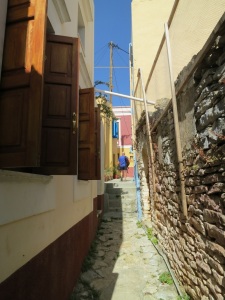
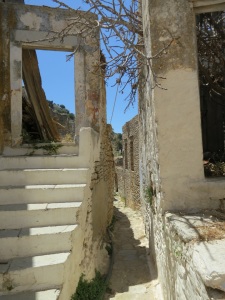
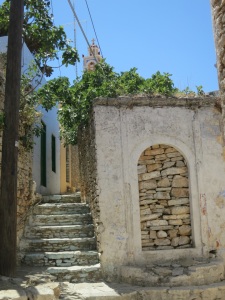
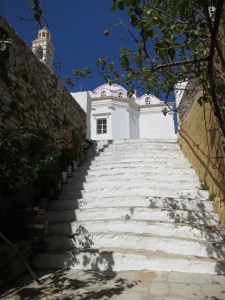
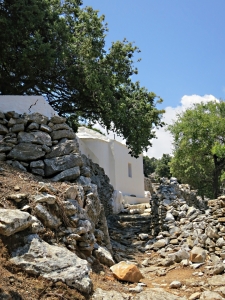
First up through the shade of the narrow, twisty alleys of Horio between old houses many damaged by war and left derelict as the owners emigrated to the USA or Australia.  Some survive intact and still afford the basic standards of maybe a century ago to the elderly of the village who have lived in them all their lives.  Increasing numbers are being renovated to modern standards, often for renting out to visitors.  Access up these alleys is tortuous, furniture must be built in the home or arrive in flat packs.  You find your way around by making mistakes and getting lost.

Extension cables stretch from house to house to provide power for tools until connection to the island’s grid.  Black plastic pipes are draped everywhere carrying water supply, a reminder that what is going to come out of the tap is hot enough to shower in, heated by 40 degree summer sunshine and definitely not for drinking.

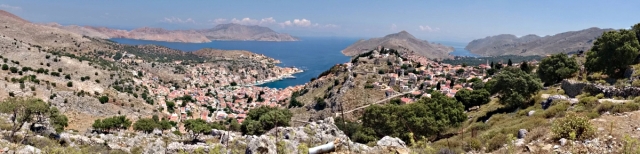
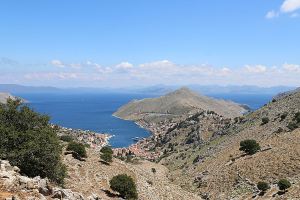
Then, as so often, out of the village, onto steps leading up to The Viewpoint and a pause to soak in the panorama.

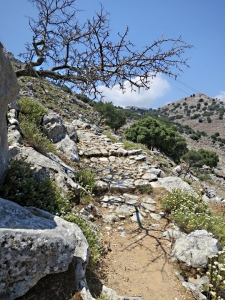
The route from here is a variety of kalderimia (donkey paths) and footpaths, sometimes enclosed between stone walls, sometimes built up on small terraces with flat slabs along the edge, sometimes so obscure as to require an ability to ‘read’ the ground with occasional confirmation by faded red and blue spots if you get it right.  All the time keeping an eye open for wildlife while taking in the broader landscape and making sure of every step.

I love this kind of walking and now it was all the more enjoyable because I was returning to it when I feared I might not be able to.

16Symi025w9126

Narrow alleys, sometimes between renovated and modernised houses

16Symi018w8968

…. sometimes bounded by continuing dereliction.

16Symi019w8971

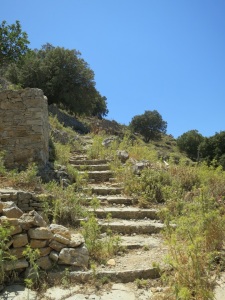
Rising up steep steps, sometimes narrow

16Symi026w9131

…. sometimes broad

16Symi027w9133

an alley crosses the stream bed of the Cataractis, a torrent in heavy rain but dry most of the time

16Symi020w8974

Out of the village and rough steps rise steeply to ……….

16Symi021w8976

………The Viewpoint

16Symi022w8979

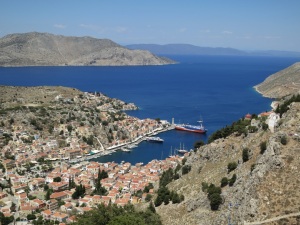
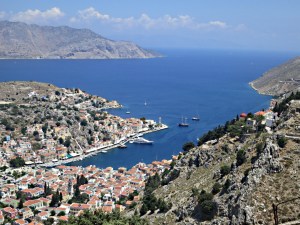
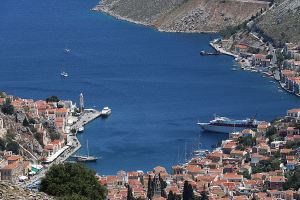
Looking over the main harbour

16Symi023w8981

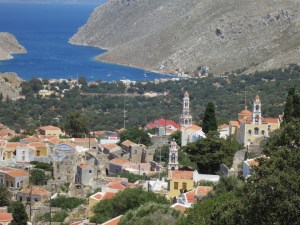
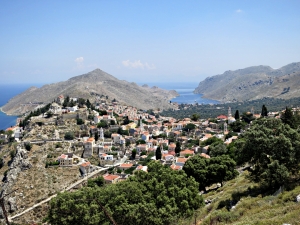
…. and over Horio, a tight mass of derelict and restored houses with a scatter of churches

16Symi028w8991

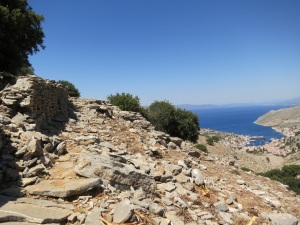
Out on the mountain the views from the path are spectacular

16Symi029w8995

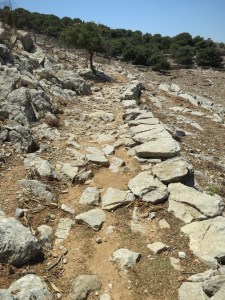
The old kalderimi breaking apart but still edged in places by large slabs

16Symi030w8988

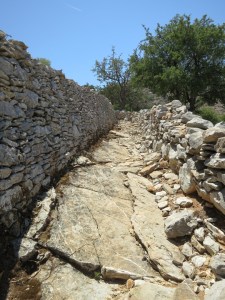
In other places contained between stone walls

16Symi034w9009

Sometimes just trodden earth but clear

16Symi031w8999

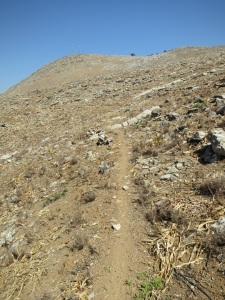
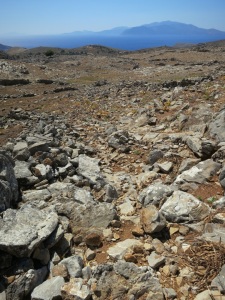
Elsewhere requiring a a practiced eye to see it.

s

Posted in Greece, Hiking, Landscape, Mountains, Photography | Tagged , , , , , , , | 2 Comments

Symi: going wild

I was discharged from hospital on Rhodes on a Wednesday, six days after having been rushed there by a combination of ambulances and fast coastguard cutter.  Engine management system rebooted, once again firing on all four cylinders, on the Tuesday I had been like a boy-racer gunning the engine as I paced two and a quarter miles along the corridors on doctor’s orders.

Back on Symi I spent Thursday doing chores in the house which I had left a week earlier to pop out for an hour to buy a ferry ticket.  I booked another flight so I could return home to show the family that I was still in the land of the living ….. and bought another ferry ticket.

Then on Friday, 48 hours after I left hospital and the day before I was to fly back to the UK, I went out for a walk with friends, excited to get back into the mountains though slightly apprehensive.   I had seriously doubted when I arrived on Symi in mid-April if I would be fit enough to venture beyond the easiest of short routes with minimum gradient.  I had tried not to be depressed as I sat on the balcony reading a book, looking at the mountain ridge and nostalging about the paths I had walked and off-piste routes I had explored.  Now I was reinvigorated, wondering how far I could push it on this, my first proper trek since Canada and having spent the best part of a week on my back tethered to an intravenous drip, ECG machine and oxygen supply.

First target was to go up to The Viewpoint (Walk 1 on the Greek Island Walks page of the blog).  It would be a test of whether electrocution had indeed given me back a fully functioning engine. It also meant taking my own advice that “If you only do one walk on Symi, this should be it!!!”.   I knew that up to now this year even this simple walk had been beyond my capability.

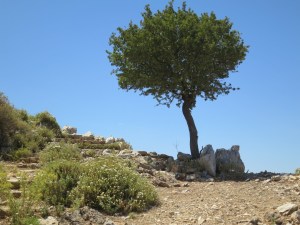
We followed the narrow, twisting alleys and steep steps up through the old village and then out onto the beginning of the kalderimi (donkey path) to reach the stunted tree overlooking the harbour, one of the best views on the island looking over Horio with the main harbour and Pedi Bay far below, and beyond that Turkey.

14Symi192wDSC0090

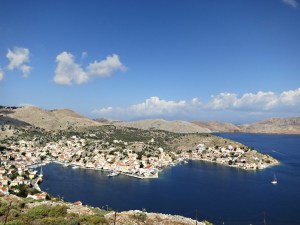
Panorama from The Viewpoint

14Symi199w4843

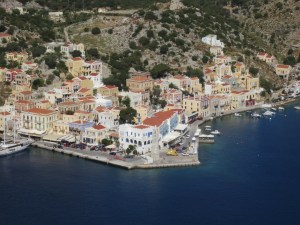
Closer look at Yialos

14Symi200w4842

….. and over Horio and Pedi Bay

Many years ago I adopted the ‘alpine principle’ in the mountains, setting a pace which I reckoned I could maintain to the top, avoiding stops which would mean lactic acid build-up in the muscles.  The pace I set now was steady though a little slower than usual but when we reached The Viewpoint, 200 metres ASL and 100 metres above the start point at Lefteris’s kafenion, I was hardly out of breath and brimming with energy.  So we agreed the plan I had been optimistically mulling over, to continue up to the ridge-top and a circuit back to the harbour.

Another 40 metres more gradual climb on the dramatic kalderimi to shade at the tiny church of Agia Paraskevi and, still feeling fresh and increasingly exuberant, a pause for a slug of water.

14Symi202w4849

A rough stone paved section of the kalderimi overhung by a stunted tree finally killed by increasing drought

14Symi203w4851

Shade at Agia Paraskevi

Soon after, a house on the left marks the start of a clear but more broken path forking off to the right and winding to slabs of rock looking straight down the valley to Yialos.

16Symi018w2040

Looking from the slabs at the head of the valley down to Yialos

16Symi019w2042

…. and a closer look at the main harbour, few boats this early in the year

Then on to the end of the kalderimi where it meets the tarmac, a short trudge along the road before diverting off to the right onto a little used, very rough and indistinct path dropping down steeply to the col at the top of the Nimborio gorge.

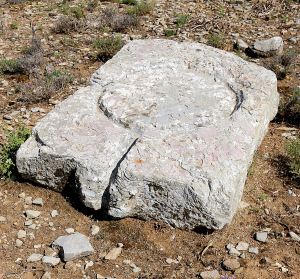
A large slab of rock here is an ideal place to sit for mid-day snack.  The carved stone is thought by some to have once stood vertically and to have had symbolic connection to wine production and it is indeed near to an enclosed Byzantine stone wine press.  However, my view is that its location near to the wine press simply indicates that there was an agricultural community here and that it is purely functional, the base of a primitive olive press.  I was told by a local historian that this was the function of a similar stone high in the cliffs at the fortified Kastri near Emborios on Kalymnos.

15Symi211w1009

Ancient olive press

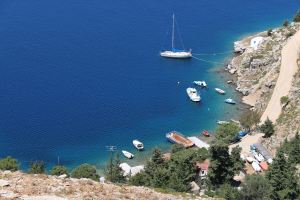
From the olive press in the col a good but narrow path tracks high on ridge along the western side of peaceful Nimborio Bay, impossibly blue and turquoise sea enticing far below.  Eventually the route drops down into the back of the harbour at Yialos and the prospect of a welcome drink.

16Symi020w2044

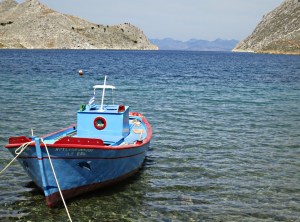
Blue sea and a peaceful mooring in Nimborio Bay

We finished the walk a week almost to the hour after I was electrocuted in hospital. It was by no means the longest or the most arduous or the wildest of treks but five miles of kalderimi and rough path with dramatic views all the way was under the circumstances more than I thought a week earlier I would manage this trip.  Exhilerating!  Prospects for wilder walks looking good.

Posted in Greece, Health and humour, Hiking, History, Landscape, Mountains, Photography | Tagged , , , , , , , , | Leave a comment

Symi:  the 15 minute walk that took 6 days, or, Notes on How to Use a Bedpan.

And now for something completely different

“What are you doing? “ The tone was reprovingly incredulous, not inquisitorial.

“I need to use the toilet.”

“No!  The doctor says you must stay in bed.”

The nurse was much smaller than me and I was tempted to bully past her.  Two things stopped me.  The grim look on her face and the fact that I was tethered to an ECG machine and an intravenous drip both of which were plugged by short leads into sockets in the wall.

Facing me hand outstretched palm forward like a police-person on point duty and used to dealing with argumentative and voluble Greeks, a mild-mannered, quietly spoken Welshman like me stood no chance against the determination of Greek nursedom.  I sank back to horizontal on the bed like a scolded schoolboy caught out in a misdemeanour.

*****************************************************

It began a couple of days earlier.  I had flown to Rhodes and crossed to Symi after agreeing with my doctor that the recently diagnosed health issue was not a serious problem and advising the travel insurance company accordingly.  The plan was to slowly increase stamina by short walks, adding a little distance or gradient each day.  It was depressing doing routes easier than those I would normally bother with even at the start of the season but I drew comfort from thinking positive, focusing on the end result.

Then the misfiring on two cylinders became unexpectedly and significantly worse and I decided I should return home sooner than planned. Flight for Saturday booked on the internet, Thursday morning I set out to walk the 15 minutes down the 100 metres of the broad steps of the Kali Strata to the harbour to book a ferry ticket to Rhodes for the flight.

Renting a house in Horio, in recent years it has been not unusual for me to walk down and then back up the Kali Strata two or three times a day as well as a trek in the mountains.  But this time I was in a bad way.  Struggling for breath, chest heaving, I had to sit on a harbourside bench to recover before doing the things I had come for.  Visit the ATM.  Buy a ticket. The stairs up to the accommodation office to pay my monthly rent were the last straw.  I must have looked bad too because friends in the office insisted I went straight to the doctor’s surgery around the corner.

From that point on everything was out of my hands, I was carried along on a wave of rapid and efficient action.  I was the focus of attention but a non–participant.

Laid out flat on a doctors’ couch in the small surgery, assessed by four medical staff, I was soon wired up to an ECG machine, intravenous drip and oxygen.

Transferred to a wheeled stretcher (gurney) and, with someone carrying an oxygen cylinder and the intravenous drip,  I was manhandled down the narrow alley to a waiting ambulance which whisked along the harbourside.

From the ambulance loaded onto a Hellenic Coastguard cutter, accompanied by the doctor, then at high speed down the narrow channel between Turkey and Symi, which it usually patrols picking up refugees in sinking boats, before crossing to Rhodes.

In Rhodes Kolona harbour transferred onto another trolley and into another ambulance for the trip through congested streets to Rhodes General Hospital, siren muted out of consideration for my sensitive hearing – and misfiring cylinders.

Unloaded, wheels down and fast along the corridor to the emergency suite, where, rather than demanding my credit card before they would let me in, as happened in Canadian Banff when I dislocated my shoulder, I was immediately attended by two consultants who rapidly concluded that I should be admitted.

Amazingly speedily and efficiently I was taken up to a ward via an X-ray and echocardiogram.  The irony of the latter is that the grindingly inefficient NHS back home took a month to tell me I am on a waiting list and by the time I have it the scan will have taken 4 months to arrange. There will be a further delay before I get to see a consultant to interpret the scan.  On a small island in Greece, with all its economic and refugee problems, the process took 15 minutes including assessment by a consultant who carried out the scan in the first place.  Not surprising that the WHO puts Greece 4 places above the UK (17 places above the USA!) in its ranking of health systems (see).

There then followed a process of sorting out the problem, starting with intravenous medication, the least invasive option.  Thorough, methodical, efficient.  Twenty four hours after being admitted the medics concluded that medication alone wouldn’t be effective and that something more was needed.  Quick explanation and I was wheeled down to a treatment and intensive care ward for electrocution (technically ‘cardioversion’).  Unfortunately I missed the fun bit because when they electrocute you they anaesthetise you first.  It would have been fascinating to see if it is like they show on TV, body arching on the bed as it convulses up and down.

When I returned to this planet it was far more peaceful and restful than it had been for months.  Electrocution had worked.  But to make sure, I was monitored 24 hours a day for the next 3 days before going back up to the ward.

For 4 days I wasn’t allowed out of bed on doctors’ orders.  That’s when I learned a new skill.

On the second day the batteries in my phone and Kindle went flat so there was nothing to do but lie on my back and imagine what pleasure and excitement there would be in watching paint dry.  The friend who came across from Symi with essential supplies, including tooth brush, towels, spare clothes and charging cables, neglected to bring any paint despite the fact that he is an artist.  But at least I could wash, read again, and communicate with the outside.

Then on day 5 I went back up to the ward, was untethered and encouraged to walk around.  Firing on all four cylinders once more, that day I walked two and a quarter miles of hospital corridors, glad to be on my feet again and unable to sit still for long.

End of the morning on day six I was let loose on the world.  Taxi into town. M&S for purchase of essential (very personal) clothing.  Visit to the washroom to change.  Frappé and WiFix in cool gardens across the road.  Blue Star ferry at 15.00 back to Symi and I returned to the house 6 days after I popped out to buy a ferry ticket.

Those notes on how to use a bed-pan?

1  Discretely

2  Carefully

3  As infrequently as possible
Posted in Greece, Grey Britain, Health and humour, Reflections | Tagged , , , , , , , , | 12 Comments

Symi: not-so-wild walks

Well, I made it to Symi.  At first the weather was great, sunny with temperatures mid to high twenties.  One day it dropped to a chilly low twenties with heavy overnight rain depositing half of the Sahara on the island.  Always a mixed bag of weather at this time of year.  Take it as it comes.

Been meeting up with friends some who live here, some visiting.  Sadly I’m misfiring on two out of four cylinders and am reluctantly reconciled to the fact that walks are likely to be somewhat less than wild for a while.  But I’m working on it, trying to do a little more each day.

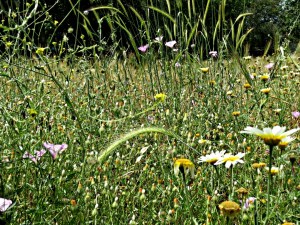
Knowing this would be the case I thought it would be a good opportunity to focus the camera on spring flowers which swathe the island.  Because of the extreme drought the flowering period for most plants is very short, survival of the species depends on getting seeds out there as soon as possible.  Winter 2014-15 was unusually wet on the island and so in Spring 2015 plants were in flower longer and later than usual.  This winter has not been so wet and it quickly became clear that most of the flowering has finished in sharp contrast with the same time last year (see last years’ blogs beginning here) when it stretched well into May.  But there is still colour to be seen and maybe more to come.


16Symi001w8937

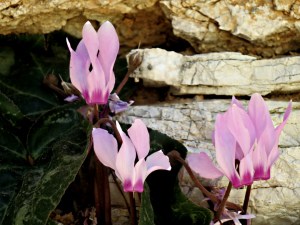
April 2015 there were carpets of cyclamen, now only  a few remain in flower in shady spots, this one in a dry-stone wall

16Symi002w8939

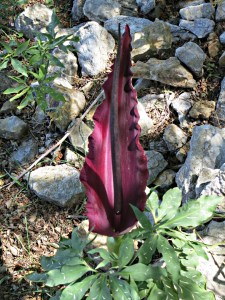
Dragon Arums, one of the most dramatic with deep purple spathes up to 2 feet long, certainly the worst smelling, attracting bluebottles to pollinate them with an overpowering stench of rotting flesh.  Now only a few left in flower.

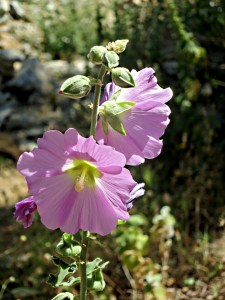
16Symi003w8942

Wild hollyhocks, again just a few remaining

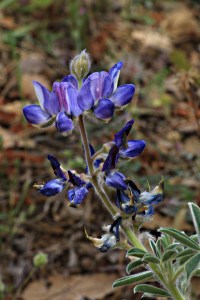
16Symi004w2023

Brilliant blue of a bush legume.  Most are now in pod.

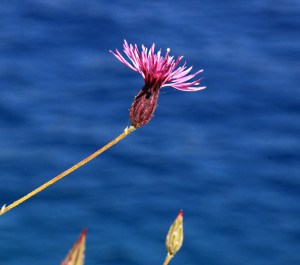
16Symi011w2028

Spindly cornflowers sway on long stems in the breeze.

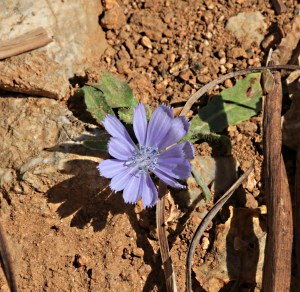
16Symi013w2031

Pale blue, about two centimetres across and surviving in the most inhospitable soil

16Symi005w8943

Flowers including Crown Daises (Edible Chrysanthemum)  remaining in a field of wild barley soon to be harvested for fodder
16Symi006w8945

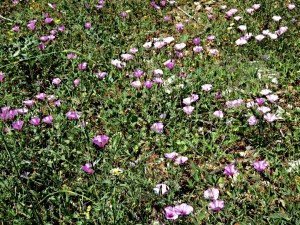
I dig this stuff out of my garden but in places the wild bindweed (convolvulus) is still in full flower

Early spring and few people around means that you get places to yourself, especially as there are as yet no taxi boats in the water.

16Symi007w8947

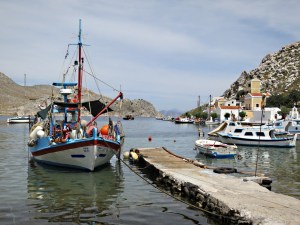
Very few tourist boats in Pedi Bay, a lone fishing boat moored

16Symi010w8959

Looking along the length of Pedi Bay, in summer usually a mass of gin palaces and sailing boats, Turkey clear just across the narrow channel

16Symi008w8954

The beach at Agios Nikolaos out of season

16Symi009w8953

… time to relax in the sun

Climbing the ridge towards Agia Marina and you are reminded not to take the breathtaking main harbour for granted.  Very few boats parked at this time of year, in a couple of months multimillion-euro gin palaces and wooden gullets will be crammed in to every inch of harbourside, some having to moor in the bay beyond.  But for now, the few there are can spread out.

16Symi014w8962

One side of the main harbour of Yialos

16Symi015w8963

Zooming in on the corner with the clock tower, the Italianate Police Station ….. and the new processing centre for refugees

16Symi016w8966

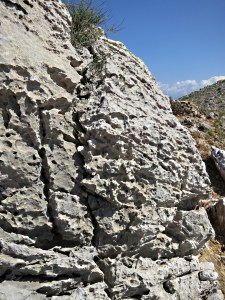
A reminder that the ridge overlooking the harbour is made up of razor-sharp limestone.  Care needed

x  

Posted in Greece, Hiking, Landscape, Mountains, Nature, Photography, Spring | Tagged , , , , , , , , , , , , , | 2 Comments

Wales and Greece: life on the wild side

I first became fascinated by birds of prey when I was a research student and lived with friends in a tiny former lead-mining village in the mountains inland of Aberystwyth.  The closest house was about half a mile away.   The closest neighbours were a pair of Red Kites (Milvus milvus) nesting in the altitude-stunted oak woodland above the house.  The kites with their distinctive tails flew overhead every day, occasionally giving a distinctive shrill whistle.  I knew they were rare but only years later did I discover that they were one of only three pairs left in Britain, brought near to extinction largely because they were poisoned by hill-farmers.  During the nesting season the then Nature Conservancy mounted a clandestine 24/7 watch over them to prevent nest-robbing.  I didn’t realise at the time how privileged we were to have such rare birds as neighbours.

The conservation measures were successful, a viable population of kites built up gradually to the point where they were introduced from Mid-Wales to Oxfordshire and can now be seen hovering over the M4.
Their territory has expanded in Wales, into the English border country, and they have now crossed the Brecon Beacons southwards and we have seen them soaring the ridge behind our house.  Numbers here do not seem to be increasing, largely I guess because of stiff competition from a well established population of Buzzards (Buteo buteo).

When in 1975 we moved from Cardiff into our house at the southern tip of the Brecon Beacons National Park we loved to sit in the back garden with a coffee and watch buzzards soaring overhead. In the breeding season it was the odd one but when the young fledged there would be a family of four, the adults calling to the youngsters with a sound like stroppy cats, occasionally mobbed by crows but majestically ignoring and out-flying them.  When I started paragliding and learned the art of soaring thermals I appreciated their flying skills even more.  With a dip of the wing or nonchalant twist of the tail they would change direction effortlessly and pick up more height. Driving along the newly opened dual carriageway we spotted them regularly perched motionless on lamp-posts, waiting an opportunity to pounce on road-kill.

Walk up the ridge to Garn Wen and it was difficult to know whether to focus on the Buzzards, or the Kestrels (name given to several members of the Falco genus).  When their young fledged they could be seen in families of four, five or six being given flying lessons.  You can spot and identify kestrels a long way off because they alone can hold their position over the ground in both howling gale and flat calm, eye-balling prey below.  One of the high spots of my paragliding career had nothing to do with distance flown but was circling over my local pub with a kestrel hovering below me, before it tucked in its wings and dropped like a stone on its quarry.  Another fond memory from paragliding was watching a friend soaring the gentle evening ridge-lift at the highest point of the South Wales Valleys with a kestrel soaring the air above the upper edge of his wingtip, turning in synchrony as he turned.
One memorable summer’s evening my wife called me to the landing window and pointed to a bird of prey in a tree in a neighbour’s garden.  It was massive.  An aggressively cheeky magpie which settled on the branch alongside it was dwarfed.  My wife, a keen and knowledgeable ornithologist identified it as a juvenile Golden Eagle (Aquila chrysaetos), presumably blown many miles off course in recent storms.  The local ornithological society refused to acknowledge the sighting because I wasn’t a member of the club and it takes two to tango … or confirm a bird sighting.  But we knew what we saw and there was no doubt.

Imagine our pleasure when we started trekking in the Greek islands and seeing more and bigger birds of prey.

The first time was on the Saronic island of Aegina.  A bus ride to the southern end of the island and climbing up the eastern and uninhabited side of the ridge we spotted four large birds lazily thermaling upwards.  As a rule of thumb I generally spotted things first but my wife could identify what we were looking at and informed my ignorance.  These were Imperial Eagles (Aquila heliacal) which can have a wing span of up to 7 feet.  Impressive.

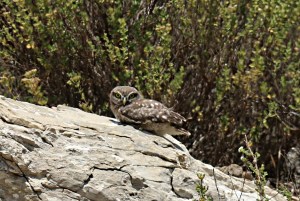
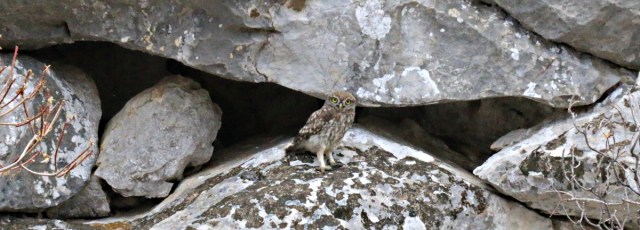
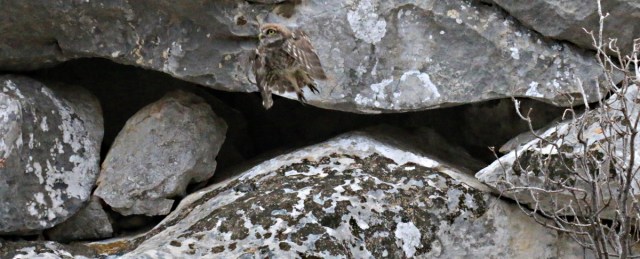
One evening we were eating on a rooftop restaurant on Symi when a Little Owl (Athene noctua) perched on a cable at eye level barely feet away.  Little Owls are comparatively easy to identify, partly because of their small size and partly because they are the only owls which hunt in the day.  This makes them easier to photograph for an amateur like me with ordinary kit.  They are the birds of prey I see most often, especially in narrow gorges where few people go, like the Pedi Gorge and the Vasilios Gorge on Symi, where they perch on vertical rock sides.  They are not easily frightened and well camouflaged until they fly off silently when they consider you are getting too close, feathers designed to be soundless in flight.  Sometimes they will perch on a rock or a post and watch with their massive eyes as you approach, maybe as inquisitive about you as you are about them.  Then they lift off and fly to a more remote vantage point to watch.  One thing is sure, if they don’t want you to get any closer, they can see you well before you see them and are not hampered by moving rapidly over rocky ground.

15Symi147w1029

Little Owl sitting on a rock at the side of the path, unphased

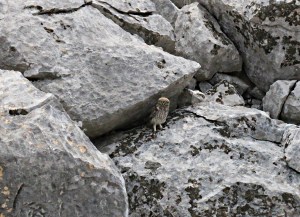
15Symi152w1048

Half an hour later I spotted another in the crags  and walked directly towards it, taking my SLR out of my backpack as I went.

15Symi153w1049

It watched me impassively while I halved the distance and then took off.

15Symi154w1054

It settled and watched me as I moved towards it again

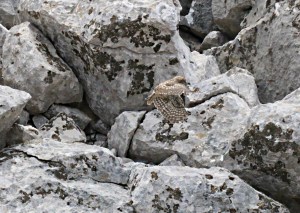
15Symi155w1055

Then like a Harrier Jump Jet it took off and flew up a vertical crag where I couldn’t easily follow.

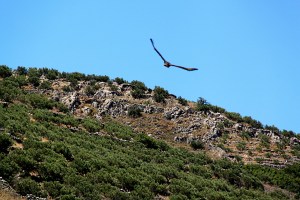
Trekking up to the main ridge on Tilos and then traversing through a col between vertical cliffs in the early Noughties and we disturbed Bonelli’s Eagles (Aquila fasciata).  They were there very predictably for many years, pleasing to watch as effortlessly, but clearly irritated, they switched crags to stay away from us.  Then in 2014 they disappeared.  Explanations varied but homed in on a drastic reduction in the number of Chukkar Partridges, their main food.  Explanations for the reduction of Chukkars varied from a virus infestation to lack of food supply.  They disappeared from Symi the same year.  A comment from Jen Barclay on Tilos in February this year indicates that the eagles may have returned.

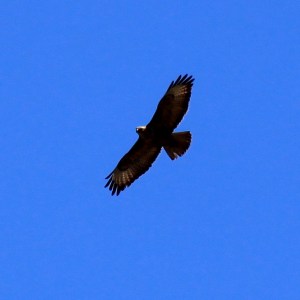
Trekking in more remote parts of the islands or the Greek mainland and the chances of spotting eagles is fairly high.  I saw several in the far south of The Mani, the central and southernmost peninsula of the Peloponnisos, thriving in the rugged landscape of the Taygetos Mountains.  It was while negotiating a scree close to the top of Profitis Ilias inland of Areopoli that I disturbed a pair of eagles nesting or perching on the vertical crags above.  I had a very good view of them before they soared away, screeching their annoyance at having their solitude disturbed.  Despite the close-up there was no possibility of getting the camera out of the rucksack, it was difficult enough keeping myself in place without separating myself into bits which might disappear over the edge.   A few days later I disturbed another pair.  Fortunately, as I was now on a track rather than a loose scree slope, I was able to get a couple of passable photos.  They wouldn’t impress an ornithological society but I was quite pleased to capture something for the record.

12MesaMani038w6917jpg

One of the eagles soaring, wings curved at full stretch to lift it effortlessly in the light breeze in a thermal

12MesaMani039w6920jpg

Almost directly overhead and still going up.

I frequently see birds of prey when I’m out trekking but sitting outside an apartment on Tilos at dusk one evening and our attention was taken by large numbers of birds flying erratically high overhead at high speed.  With long, narrow, very pointed wings, amazingly aerobatic like swallows or Alpine swifts, they looked much bigger. They turned out to be Eleonora’s Falcons (Falco eleonorae), taking insects on the wing.  They eat larger prey but millions of insects rising on air currents keep them going.  Swimming from one of the secluded beaches on the other side of the island earlier in the season the following year, we watched a pair swooping low over the sea and returning every few minutes to a nest in the cliff face. Another evening, another island and we watched large numbers swooping over the volcanic caldera at Nikia on Nisyros.  Dizzying.

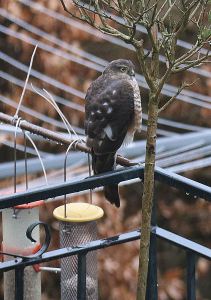
And a reminder that interesting stuff is going on right on the doorstep when I looked out of the window at home the other day and spotted a Sparrowhawk (Accipiter nisus) sitting on the bird feeders.  A few days earlier it took one of the Siskins feeding on the nuts.

16CherryHinton001w2016

Sparrowhawk on the bird feeder

I’m looking forward to seeing if the eagles have returned to Symi and Tilos.

Posted in Greece, Hiking, Mountains, Nature, Photography, Wildlife | Tagged , , , , , , , , , , , , , , , , , , , , , , | 1 Comment

Canadian Rockies and Greek Islands: twittering and tweeting

2016 is not going at all well for me.  Just diagnosed, I now have a long-term health issue, probably triggered by the flu, which means a period of monitoring and the need to review plans and maybe lifestyle.  So, still looking back and looking forward hopefully.

Flashback 1

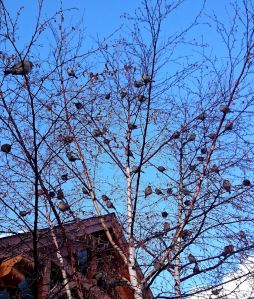
Walking along Bear Street in Banff, middle of December, having been in Barpa Bill’s the Greek takeaway (carry-out) for a mid-day spanakopita, down jacket zipped to the chin against minus 20oC, I became aware of frenetic twittering.   The tree overhead, bare of leaves, was full of sparrows, downy chests puffed up against minus 20oC, twittering noisily and, like most tweeting, presumably inconsequentially.

15Canada067wDSC0005

The twittering tree in Bear Street, Banff

Flashback 2 ….. and looking forward

Looking back even further I was reminded of the swallows which swoop overhead on Symi.  In spring and early summer they zoom into derelict houses desperately trying to sate the appetites of squawking broods.  The adults pause now and again to perch on overhead wires and sit twittering.  When the young fledge it is amusing to watch them learning to adjust their flight to land and perch by their parents, failing time and again before getting the hang of it. By midsummer the overhead wires are filling up.

Something to look forward to.

October14Symi500w1059

Familes of swallows gather on overhead wires

October14Symi500wx1059

…… musically

15Symi253w1258

Close up

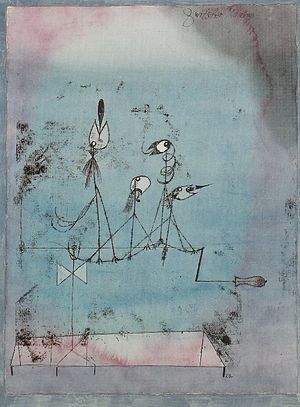
For some reason both flashbacks reminded me of the picture by Paul Klee.  Maybe it was all the twittering.

Die_Zwitscher-Maschine

Die Ztwitscher Maschine (The Twittering Machine) by Paul Klee

x  

Posted in Art, Canada, Greece, Health and humour, Nature, Photography, Wildlife, Winter | Tagged , , , , , , , , , , , , , | Leave a comment

Canadian Rockies and Greek Islands: looking back, looking forward

So far 2016 has had its share of setbacks.  A minor viral infection in January which kept me indoors in Banff for two day and impaired activities for the rest of the stay.  A skiing accident resulting in a dislocated shoulder in February which saw me scurrying back home two weeks early.  And now flu in March which has laid me low for over a week with a fever and palpitations.

I just don’t do this stuff!  I’m never ill!!!   I guess I need to be reminded that I’m just human after all.

So I have been looking back at the visits to Canada and looking forward to the Greek islands from April onwards.

Looking back

15Canada059w8792

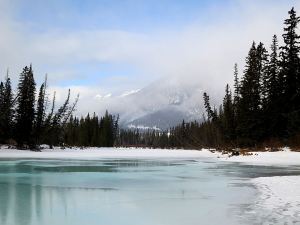
At the confluence of the Bow River and Forty Mile Creek a large flush of water freezes as clear blue-green ice

15Canada060w8906

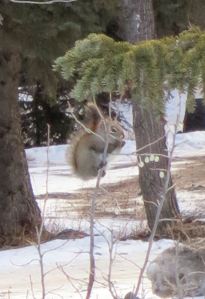
A red squirrel perches on low-growing trees

15Canada061w8896

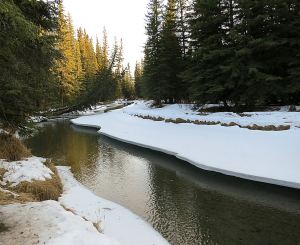
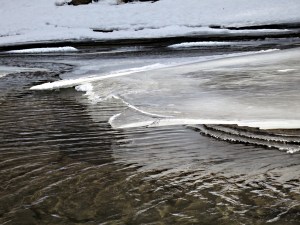
Dropping water level on Forty Mile Creek leaves a shelf of snow-covered ice.

15Canada062w8912

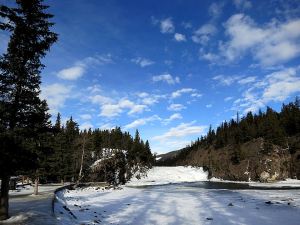
Looking upstream to the Bow River Falls from the right angle bend in the river

15Canada063w8917

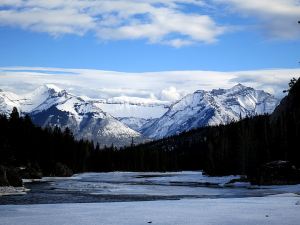
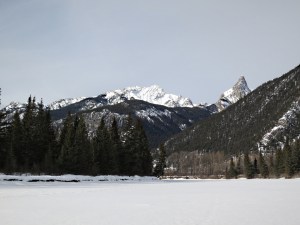
….. and looking downstream from the same spot towards the Fairholme Range

15Canada064w1937

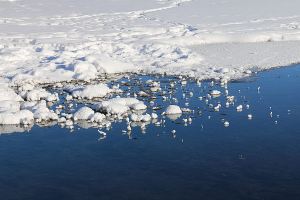
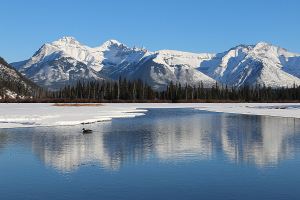
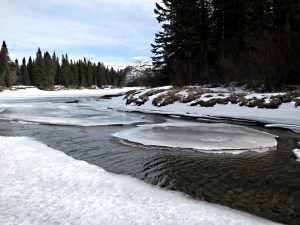
At the edge of Vermilion Lakes a thermal spring keeps open a pond with aquatic plants all year round

15Canada065w1930

Snow covers every twig and stone at the water margin

15Canada066w1926

Stretch of water in one of the Vermilion Lakes kept open by flow from the thermal spring

Looking forward

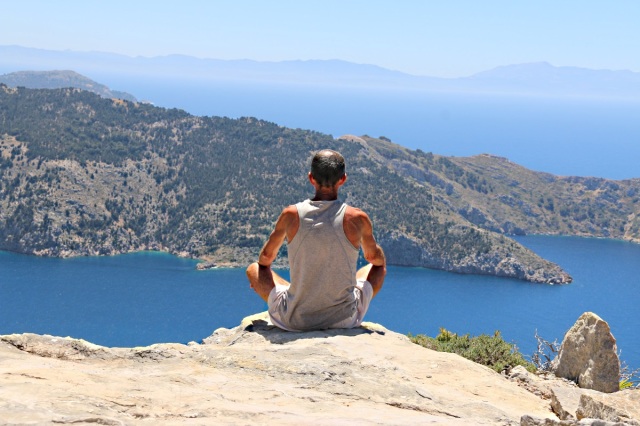
15Symi104w0731

Flat slabs of rock below ridge-top Lappatoniou Castle on Symi, a great place to look forward to for relaxation and contemplation

x  

Posted in Canada, Greece, Hiking, Landscape, Nature, Photography, Reflections, Spring, Wildlife, Winter | Tagged , , , , , , , , , , , , | 2 Comments

Banff, Canadian Rockies: last trek, early bath

The shoulder injury I wrote about in my last blog post did not respond to treatment anywhere near as quickly as hoped so regrettably I went for the early bath and flew home.  I guess the body heals more slowly as it gets older.

But before leaving I went out with snowshoes for one last trip.  Painful but with no risk of further damage, I trekked about 4 miles upstream on the Bow River and then back with lots of interest on the way. The ice and snow of the thick-frozen river were etched with signs to be interpreted, the banks edged by coarse grass backed by red-stemmed dogwood which fringes pine forest climbing towards craggy snow-capped peaks close to 3000 metres (10,000 feet) high.

I aimed for a point where a meander in the river brings it close to Vermilion Lakes on the other side of the Trans Canada rail line, hoping to cross over and come back that way.  However, even though only a narrow spur, the trees and scrub were too dense and the snow drifted too deep, even without carrying an injured shoulder, so I returned the way I came.

Soon after rounding the first bend in the river on the outward leg, the town well out of sight, I came across fresh tracks which I’m pretty sure were wolf.  Three reasons for thinking this.  First, they were obviously canine as evidenced by claw marks – big cats retract their claws to keep them sharp.   Second, their size, coyote prints are much smaller: they could have been a big dog but there were no accompanying human prints.  Third, that they were fresh was clear from the fact that no snow had collected in them or been blown away from around them in the strong wind.

During the rest of the trek I saw plenty more prints, not all quite so fresh.  They crossed and re-crossed the river, disappearing into the scrub and forest, in places accompanied by elk prints which I supposed they were stalking.  As noted in a blog post in January there have been reports of wolves around Vermilion Lakes and this section of river is only a stone’s throw away.  Though the prints were very fresh, sadly I saw no wolves, though they may well have been watching me.

The wind was strong, blowing the fine Albertan powder snow, sculpting the surface especially where it had been compacted, drifting deep in the lee of vegetation, occasionally leaving the thick river-ice bare in places, constantly changing.  The snow shoes were invaluable, spreading my weight over deep snow, metal teeth gripping the ice where it was shallow.

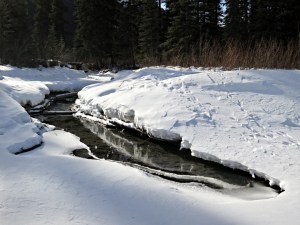
The open water of a small stream flowing in from the left (walking upstream) was a reminder that the town of Banff came into being after the discovery and then exploitation of thermal springs on the flank of Sulphur Mountain. Steaming as it emerges, the spring creates a wonderland of hoar frost immediately below the Cave and Basin but as it reaches the river it disappears under a foot or more of solid ice.  Further upstream Sundance Creek coming in on the left is also open with shelves of ice left cantilevered across the water as the river level dropped.

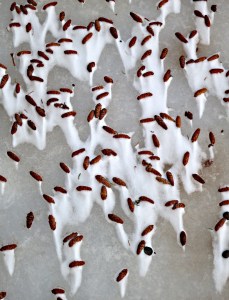
One strange phenomenon under a patch of clear ice close to the other bank is an area of what appears to be bubbles of gas drifting upwards from the bed of the river as it froze, looking like multi-tiered white mushrooms.

As I sat on a fallen log eating smoked sausage I mused wistfully that this would be my last taste of winter until next season. Time to start planning for a summer in the Greek sunshine.

15Canada058w8872

The frozen, snow-covered river fringed by coarse grass, red-stemmed dogwood and pine forest

15Canada054w8871

The frozen, snow-covered river fringed by coarse grass, red-stemmed dogwood and pine forest

15Canada055w8875

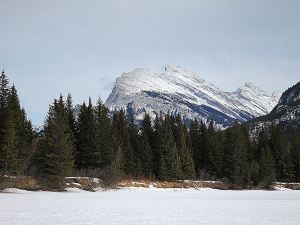
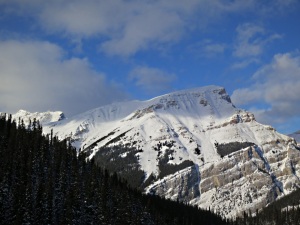
At just over 2,500 metres Mount Edith is not the highest in the area but is a dramatically sharp peak

15Canada056w8881

In the other direction the razor-edge of Mount Rundle rises to nearly 3,000 metres

15Canada047w8838

Fresh prints from a lone wolf

15Canada048w8839

…. crossing the river and disappearing into the scrub

15Canada049w8849

The snow on the river is slightly compacted when trodden on even in snowshoes.  Cascade Mountain behind

15Canada050w8860

These parallel tramlines of cross country skis left yesterday are raised above the surrounding uncompacted snow as it blows away in the strong wind.

15Canada046w8831

At a micro level, fine powder-snow drifts behind the slim cones of lodgepole pine, stuck to the surface by a thin layer of ice.  Change of wind direction and these nano-drifts had gone when I returned 3 hours later.

15Canada051w8844

The thermal spring from the Cave and Basin cools as it crosses the marsh and then drifts below the river-ice

15Canada052w8866

Warmer water flowing into Sundance Creek leaves a canopy of ice before it too succumbs to the cold and joins the frozen river

15Canada053w8863

A closer look at the ice layer arching above the water.

15Canada045w2011

Snow blown away on a windy corner revealing bubbles of gas like white mushrooms frozen into clear ice more than a foot thick

15Canada057w8894

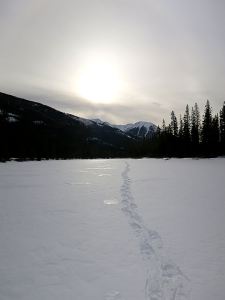
Looking back over my shoulder along the snow-covered river bisected by the tracks of my snowshoes, the sun going behind thin cloud as it sinks behind Mount Bourgeau.

x  

Posted in Canada, Hiking, Landscape, Mountains, Nature, Photography, Wildlife | Tagged , , , , , , , , , , , , , , | 2 Comments

Banff, Canadian Rockies: snow fabulous, snow fool like an old fool

I learnt years ago from white-water and sea kayaking that the most likely time to capsize, become a cropper, was on the flat bit of river after the difficult rapid or waterfall or in the shallows after getting through the surf towards the beach.  Job done, relax, lose focus, your gone, a laughing stock.  One guy I paddled with painted on the underside of his canoe “I know I’m upside down”.   You try and guard against it but now and again loss of focus sneaks up on you and bites you in the bum.

One of the reasons I came back to Banff was that I felt I needed to work on things I had been taught (by one of Canada’s top instructors) to improve my skiing which is still firmly and irrevocably ‘intermediate’.  A bug had laid me low for the week before I flew home meaning two days not venturing out of the hotel and the rest of the time distinctly below par.

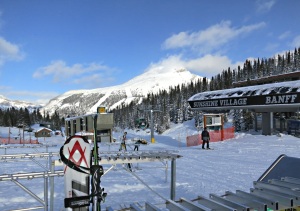
So I have been concentrating on the skiing since I got back, barely pausing to even think about photography.  Snow has been very good with fresh powder in the mornings for 3 days at Sunshine Village.  Finding my ski-legs almost immediately after such a short break, I tackled more difficult runs with increasing confidence, making a point of returning in the afternoon when conditions had deteriorated due to increased (ski) traffic so I could get used to new challenges.

Day four and I went to Lake Louise, leaving Banff with fresh snowfall and arriving at the ski hill with fresh powder pouring out of the sky.  The conditions were better than I have known and with what I had been taught and growing confidence I found skiing in near white-out (the proper use of the term not journalistic exaggeration) on fresh and constantly replenished powder exhilarating.

Very galling, therefore, when at the end of the morning, having skied from the top of the mountain without a pause and with aplomb if not great skill, cruising to the main lodge down the broad, rightly named, ‘Easy Street’ I became complacent, lost focus, caught an edge and fell heavily.

I knew I had dislocated my shoulder but didn’t want to believe it because it was so stupid a mistake and potentially could end the trip.  Lying on my back in the snow while kindly fellow-skiers retrieved my lost ski and enquired as to my well-being, I flexed the painful joint upwards trying to pull it back together, knowing I couldn’t just hit the ‘undo’ button.  Then I skied down to the lodge, parked my skis, and went to the paramedic centre.  The doctor there confirmed an ‘AC joint separation’ (the point where the collar bone meets the shoulder blade) and recommended an X-ray.

So, an afternoon in the hospital, where the financial damage was almost as severe, confirmed the diagnosis but also confirmed that there are no fractures or cracks in the bones, that the degree of separation is comparatively minor, that it will take 3 months to heal properly, but that in the meantime it’s a matter of managing the pain.  And the humiliation.  It seems the injury is common and the hospital even has a plastic model of the shoulder joint to show the idiots who do it what has happened.

I now face  three or four days resting the arm before deciding whether I can ski again this trip or take an early bath (an old rugby expression, rarely heard these days).

But I did manage a few shots of the gorgeous snow conditions in the days before all this happened.

15Canada042w8802

Fresh snow, blue sky, empty ski racks ….. my skis. Perfect

15Canada044w8809

Mount Bourgeau (2931 metres) seen from the Sunshine Ski Area, snow on the upper slopes looking as if it might avalanche …. soon

15Canada043w8808

Lodgepole pines have been laden for months with increasing amounts of snow, refreshed again this week

And now for something completely different.

I was lying in the bath nursing the dislocate shoulder and trying not to be glum about not being able to ski, when the word ‘uhtceare’ popped into my head.  I fished around the murky depths of my brain to try to remember its meaning, then gave up and Googled it (when I got out of the bath).

That led me to The Guardian article about ‘The Horologicon’ by Mark Forsyth which I read a couple of years ago which introduced me to it.  Indeed I included it in a blog post:

https://barrysramblings.com/2013/02/24/from-uhtceare-to-lychnobios-deadlines-and-procrastination/

The Guardian article ‘Mark Foryth’s Top 10 Lost Words’ has ‘uhtceare’ at number 4.

http://www.theguardian.com/books/booksblog/2013/oct/09/mark-forsyth-the-horologicon-top-10-lost-words

Reading on I came across ‘feague’ at number 9 and then this article from the New Zealand Herald in 2012.

http://www.nzherald.co.nz/nz/news/article.cfm?c_id=1&objectid=10835890

Life would be so much more boring without these things.

Posted in Canada, Landscape, Mountains, Photography, Uncategorized, Winter | Tagged , , , , , , , , , , , , , , , , , , | 2 Comments

Banff, Canadian Rockies: snow good, I’ve got to go back

At the end of my last post on the blog I wrote:  ”It is this extra dimension to winter in the Rockies which makes Banff unique, which makes me want to return”.  I didn’t realise then how soon.

I flew home less than a fortnight ago.  The week before I did so I was laid low by a bug which kept me indoors and inactive for two days and less than fully fit when I returned to the ski hill.  Disappointing.  One of those things.  I still had a great time until then.

The return home was to Grey Britain in all its gloomy wetness, temperatures in double figures.  Two glorious days of winter with cloudless skies and a plunge to minus 5, ice on the canal at the end of the garden, and then back to grey and rain again.  Storm Jonas, the whimpering end of the icy blast which hit the east coast of North America warmed by the Atlantic as it raced eastwards brought more floods and strong winds to Britain.

So next week I’m going back to Canada, Banff and proper winter.  I hadn’t intended to return until the end of the year but the opportunity was there.

A reminder of what it’s like.

15Canada042w8742

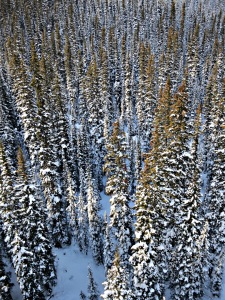
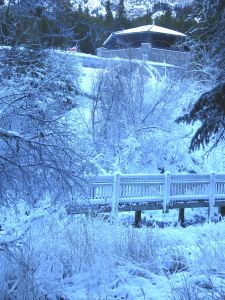
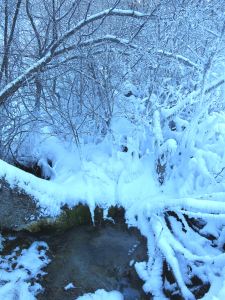
Below the Cave and Basin, thermal springs stream out of the mountain all winter.  Temperatures generally below minus 15 and permanent shade with the sun behind Sulphur Mountain create a wonderland of thick hoar frost as the steam freezes on vegetation 

15Canada043w8740

Close to open water the frost is thickest

15Canada044w8782

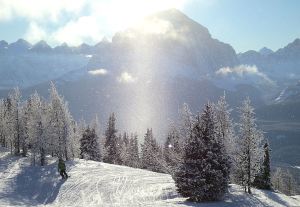
While at the top of the Lake Louise gondola billions of tiny ice crystals in the air glitter in the sun

15Canada045w8780

….. and fresh snow blankets the trees

15Canada046w8786

At Sunshine snow plastered onto trees by wind stays for days in the low temperatures and cloud caps Goats Eye Mountain


Posted in Canada, Grey Britain, Hiking, Landscape, Mountains, Photography, Weather | Tagged , , , , , , , , , , , , | 3 Comments