Symi: a trek beyond the economic fringe

The deserted village of Gria set in limestone crags high above Pedi Bay has fascinated me ever since first ‘discovering’ it 15 years ago.  The fact that it has a permanent pond, seemingly lost not only to sight but to memory judging by the number of times I have heard the refrain ‘Symi has no surface water’, has always been an added attraction.  I walk there regularly, sit and munch a banana and watch the wildlife.

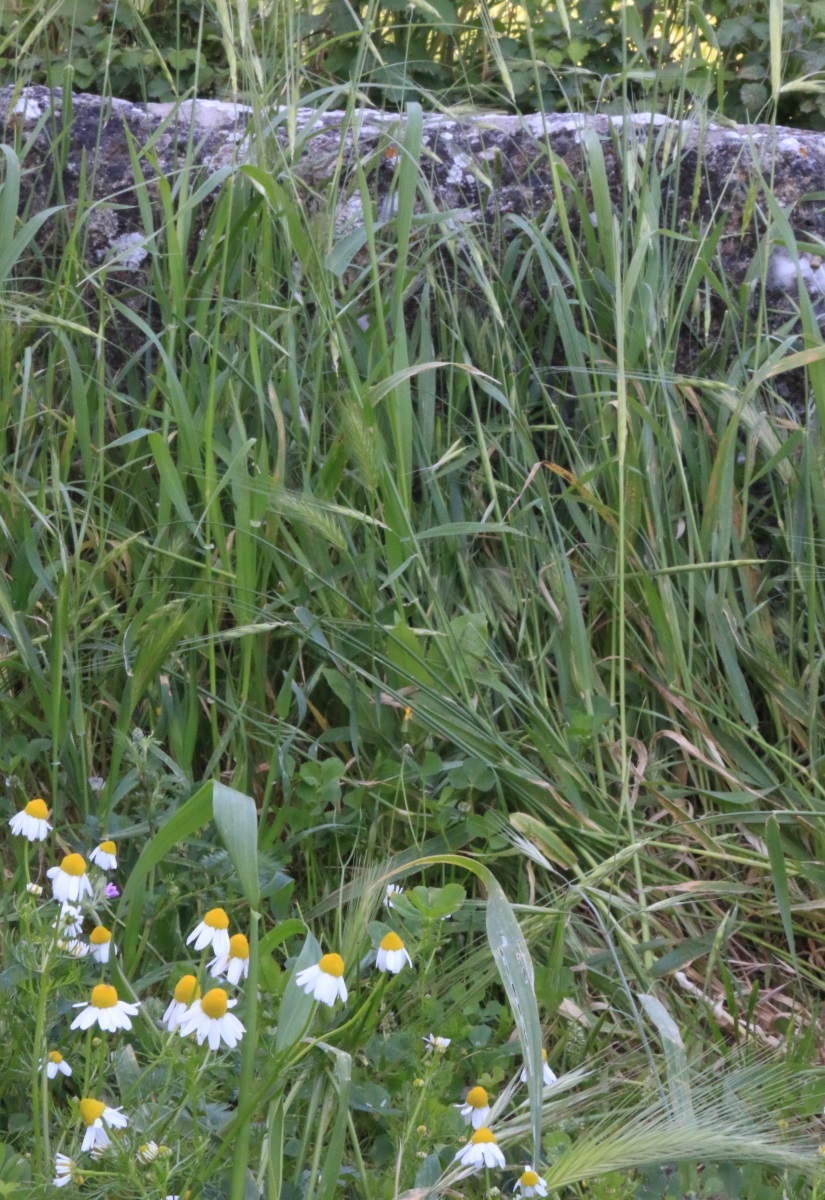
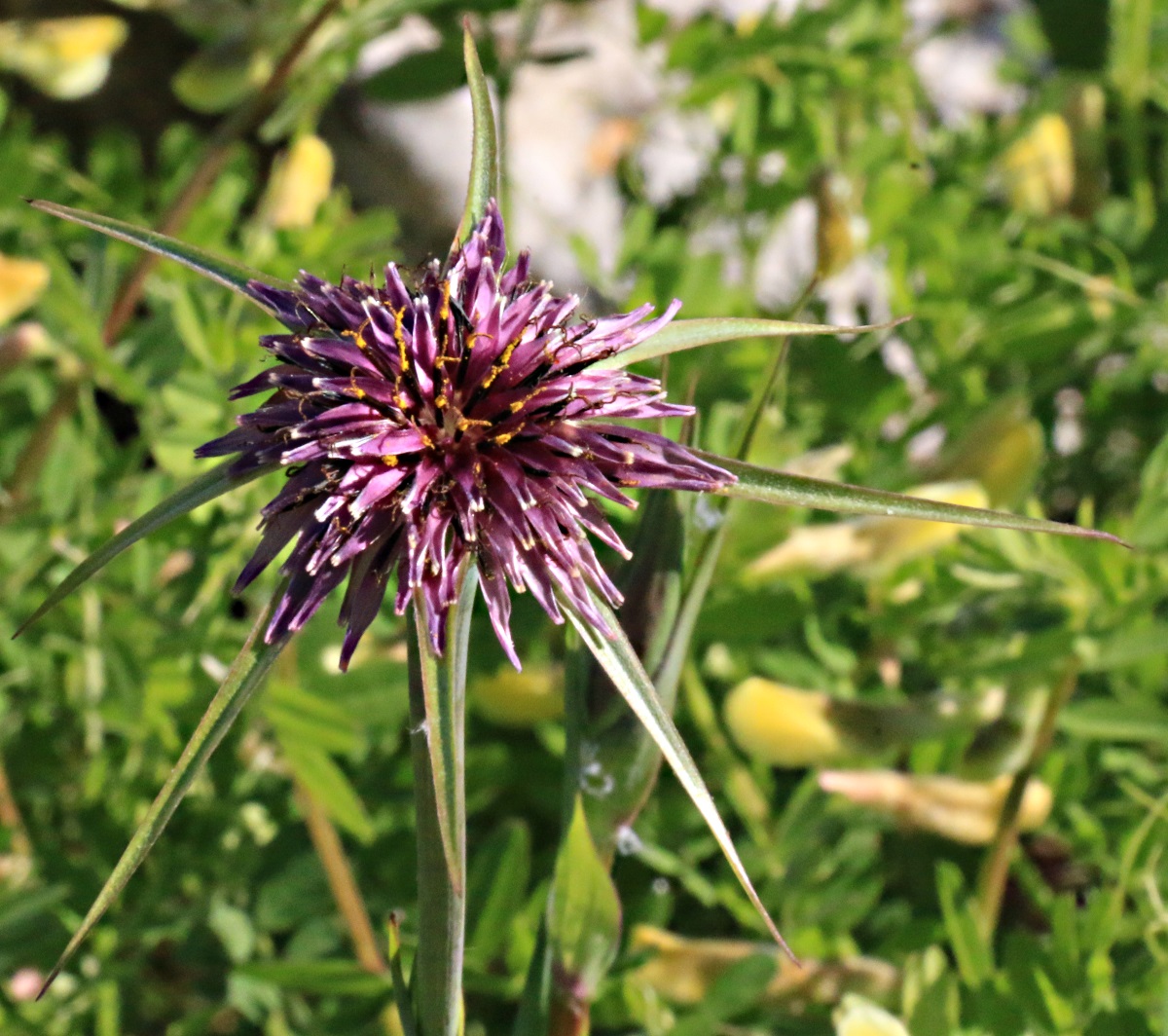
The first part of the route from the top end of Horio and onwards from the Agia Marina cemetery is along a now-concreted track much of it bordered closely on the downhill side by 2-metre high chain-link fence.  In Spring there is a marked contrast between the fenced and the unfenced land.  The latter is stripped bare by foraging feral goats, vegetation confined to oregano now ready to burst bud, Dragon Arums unfurling everywhere, and the drooping yellow foliage of last Autumn’s stately squill.  By contrast, behind the fences are Crown Daisies in their million, tall grasses and wild cereals, yellow headed Vipers Grass (which is neither a grass nor anything to do with vipers), spindly cornflowers, opulent pink convolvulus, the red splash of poppies, occasional wild gladiolus, and great yellow cushions of Greek Spiny Spurge, the bright yellow flower-heads hiding a vicious mesh of needle-sharp spines.
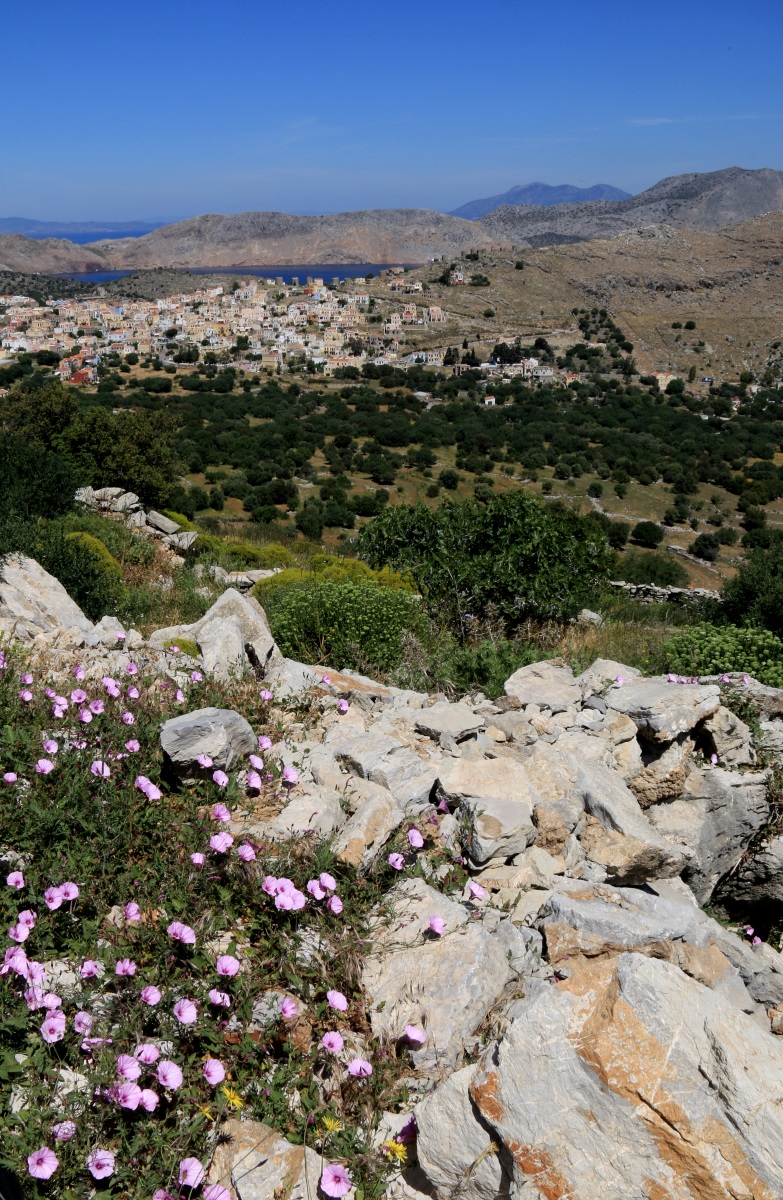
Looking across Vipers Grass, convolvulus to the Pedi Valley, windmills above Horio .... and turkey beyond

Looking across Vipers Grass, convolvulus to the Pedi Valley, windmills above Horio …. and turkey beyond

Cushions of Greek Spiny Spurge
Cushions of Greek Spiny Spurge

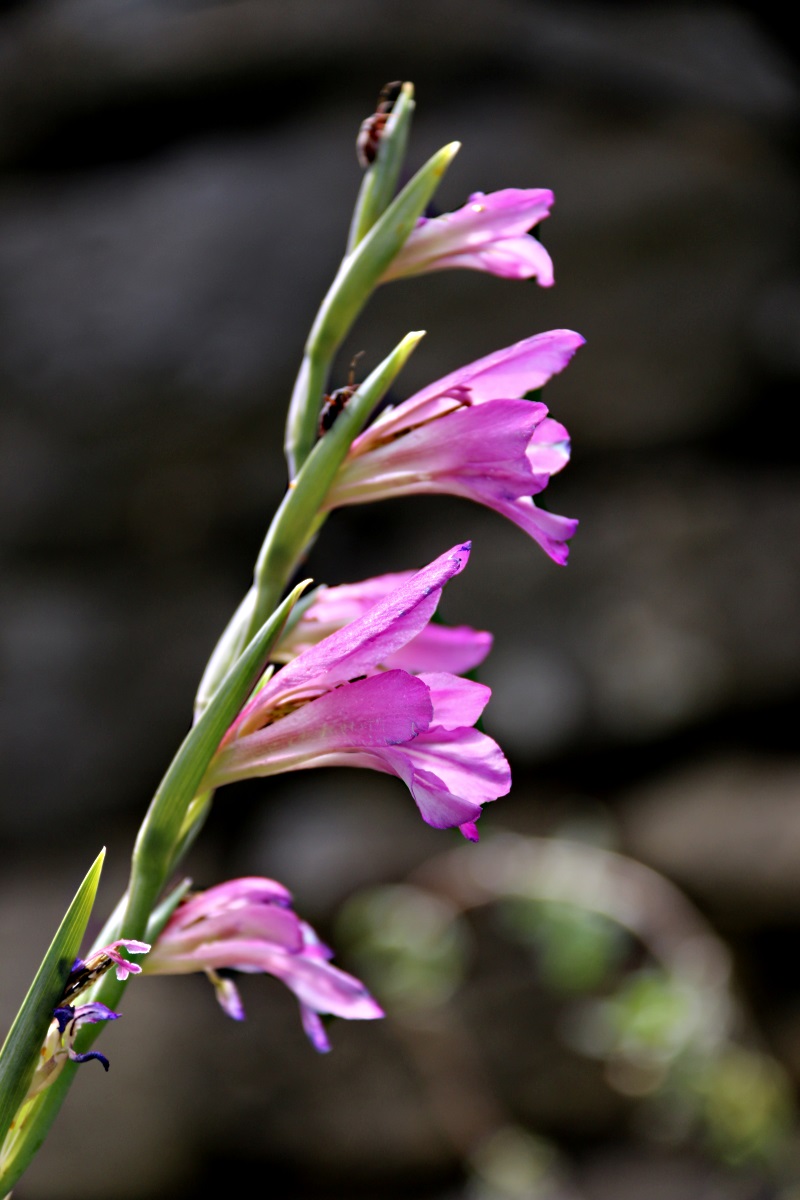
Wild gladiolus

Wild gladiolus

At the end of the track the monastery of Zoodohou Pighis Vrisi marks the edge of civilisation.  Small annual festivals are held here on 17 April and the walled gardens are carefully and regularly tended, no chemicals used only manure and compost.  The spring which emerges from a gated cave behind the buildings and which gave the monastery its name as well as its location, is used to water the gardens and is piped to a tap in the courtyard.  It’s also piped to Horio in 6-inch diameter black polyethylene draped on the surface alongside the track thus ensuring that it is heated by the time it comes out of the cold taps in the village and is completely undrinkable .
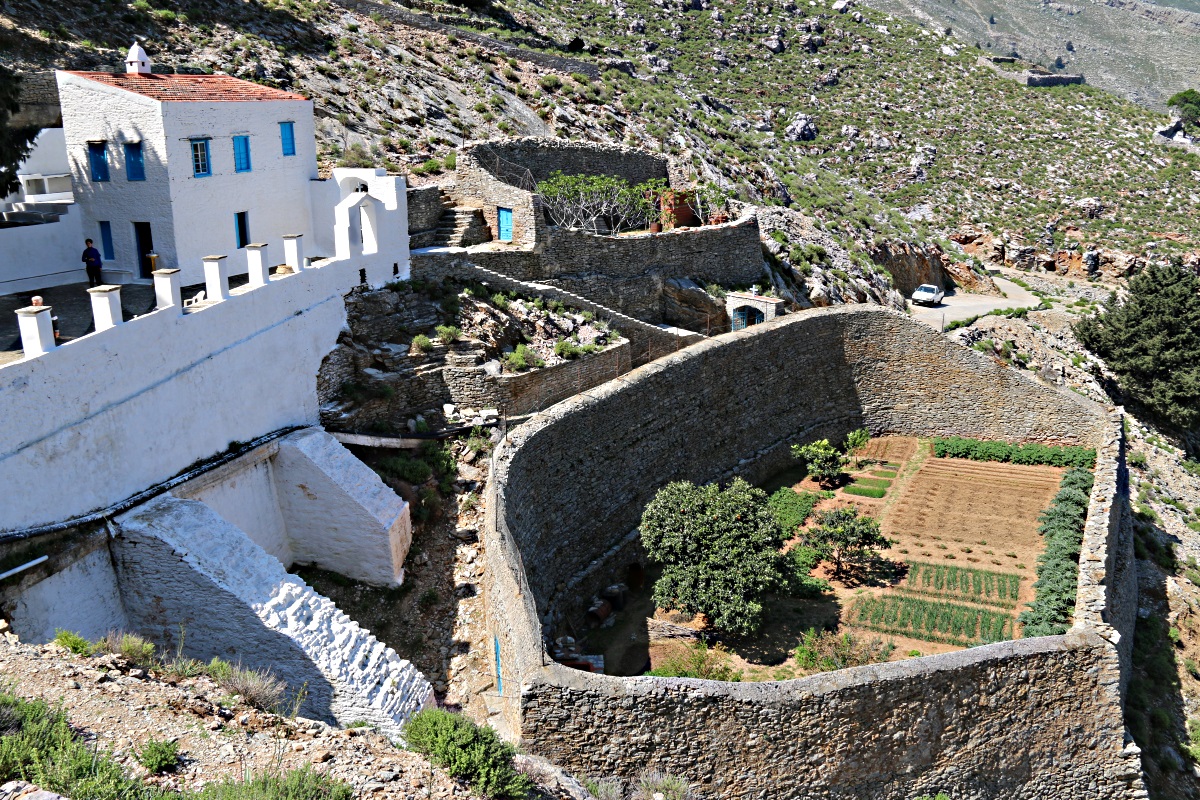
The monastery of Zoodohou Pighis and its magnificent walled vegetable garden

The monastery of Zoodohou Pighis and its magnificent walled vegetable garden

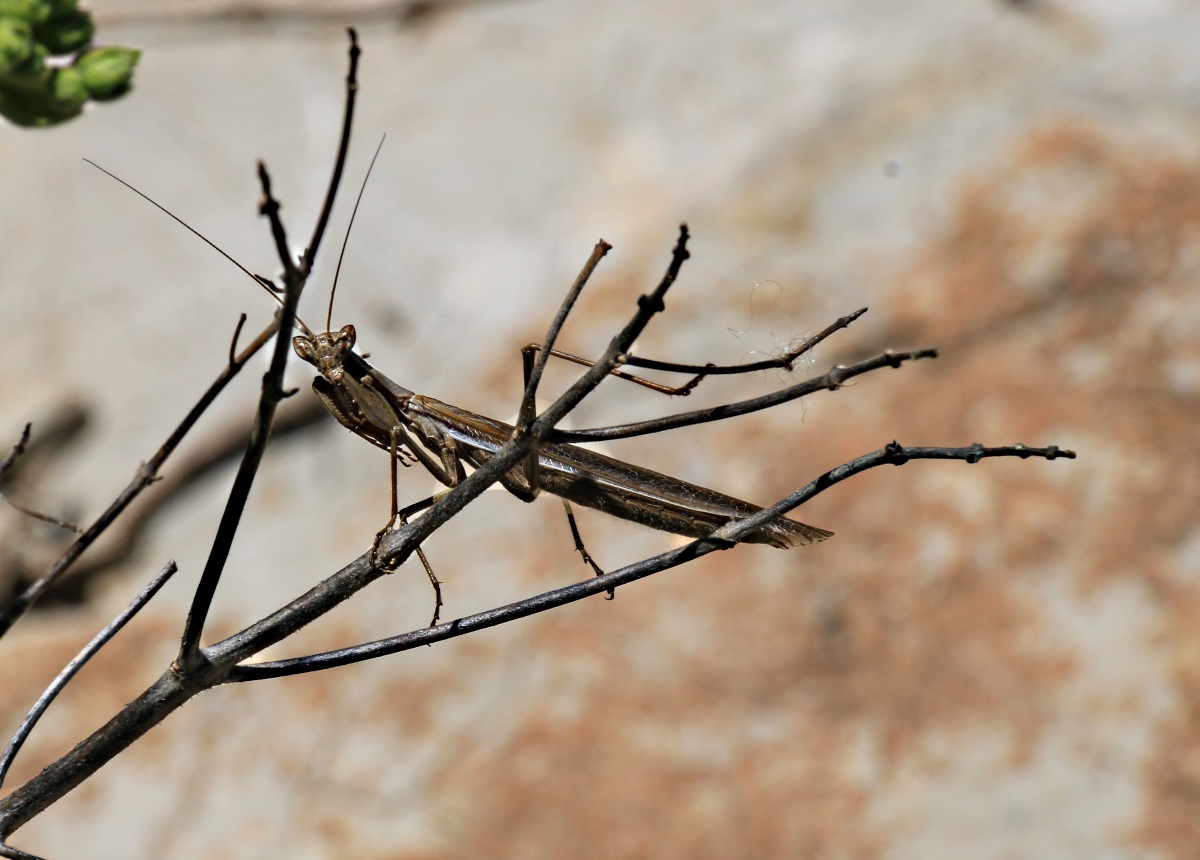
From the monastery the route is along a narrow, unclear trail through rocks, in places with a near vertical drop into the gullys below.  Not a path for anyone with vertigo but one of my favourites.  Little chance to look around you here, need to watch every footfall but this is rewarded with sight of lizards darting out of the way and the occasional chance encounter with something else.
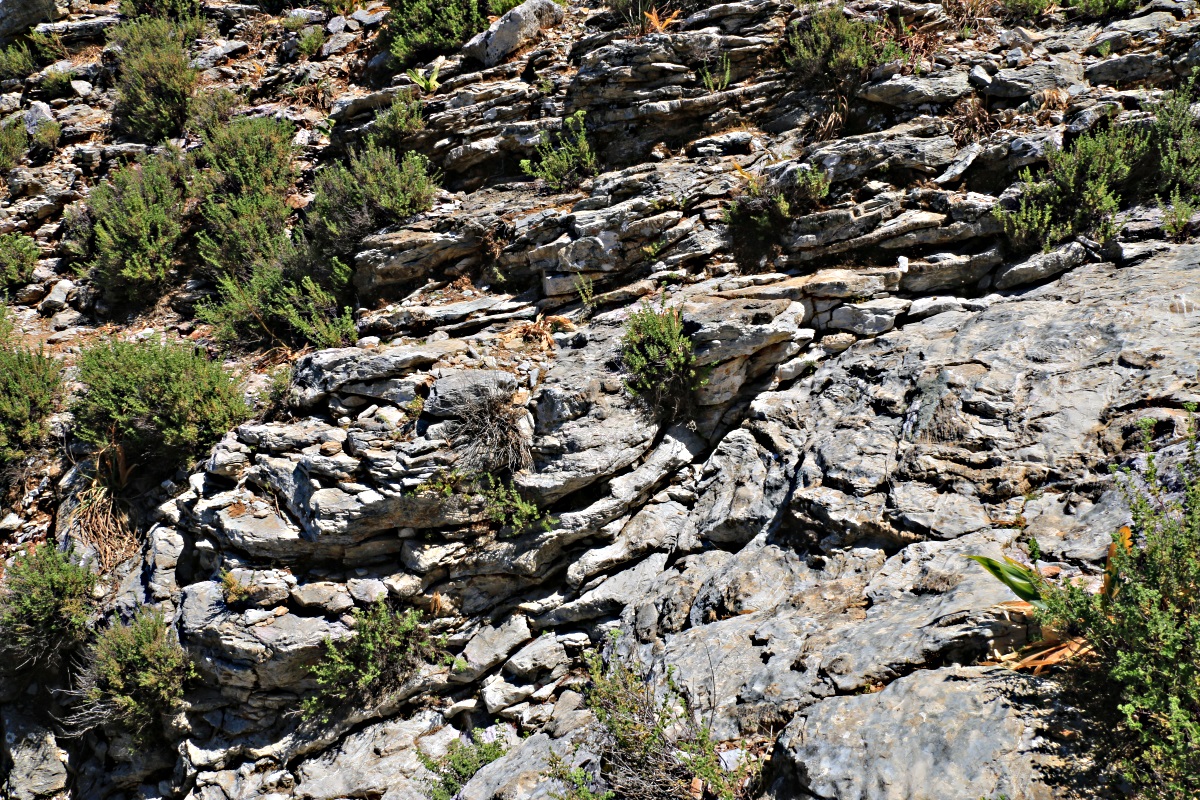
The rocky path crosses a steep gully
The rocky path crosses a steep gully

A 2 inch long mantis giving me the eye.  I spotted its shadow on the rock

A 2 inch long mantis giving me the eye. I spotted its shadow on the rock

At first sight the settlement is completely abandoned.  The red-tiled roofs of small one-room stone-built houses collapsing.  Saddest is the  sight of fig trees which 15 years ago we picked figs from, now disintegrating back into the ground.  The terraced fields within the stone-walled enclosures are bare save for oregano and Roman Nettle, goats resorting to eating the mandrake leaves.

However two of the houses are still intact, doors padlocked and I suppose used by local farmers when they come to slaughter a goat or tend the few beehives.  The beehives are in a small fenced-off field at the lowest point with fairly lush vegetation, maybe because they are at the same level as the pond and so get more moisture, certainly exclusion of the goats helps.

But this is very much an agricultural settlement beyond the edge of modern Europe.  Always at the margins, climate change rendered it agriculturally untenable decades ago and aspiration to modern conveniences and services puts it way beyond acceptable 21st Century living standards. The occasional day-visit is now its lot.

Under similar climatic circumstances the people of Micro Horio on Tilos voted (in 1956 if I remember correctly) to abandon their village and left en masse.  It’s an amazing abandoned place, stone husks of a once thriving community, but it’s starting to rediscover itself.  It has the island’s only nightclub – no-one around to complain about the noise.  The church is still maintained.  It has Byzantine chapels.  A few of the houses are being renovated.  This is possible because it has road access and a car park.  Gria will only ever be accessible by a difficult rocky path.

One cheerful vestige of Gria’s past is the bright green of a mulberry tree outside one of the intact houses, considerably stunted but this year bearing fruit

Fig tree long dead

Fig tree long dead

One remaining at the top of arid terraced fields within the stone enclosures

One remaining at the top of arid terraced fields within the stone enclosures

Looking from threshing circle across the pond and the vegetation at the bottom of the settlement to the crag behind which it all hides
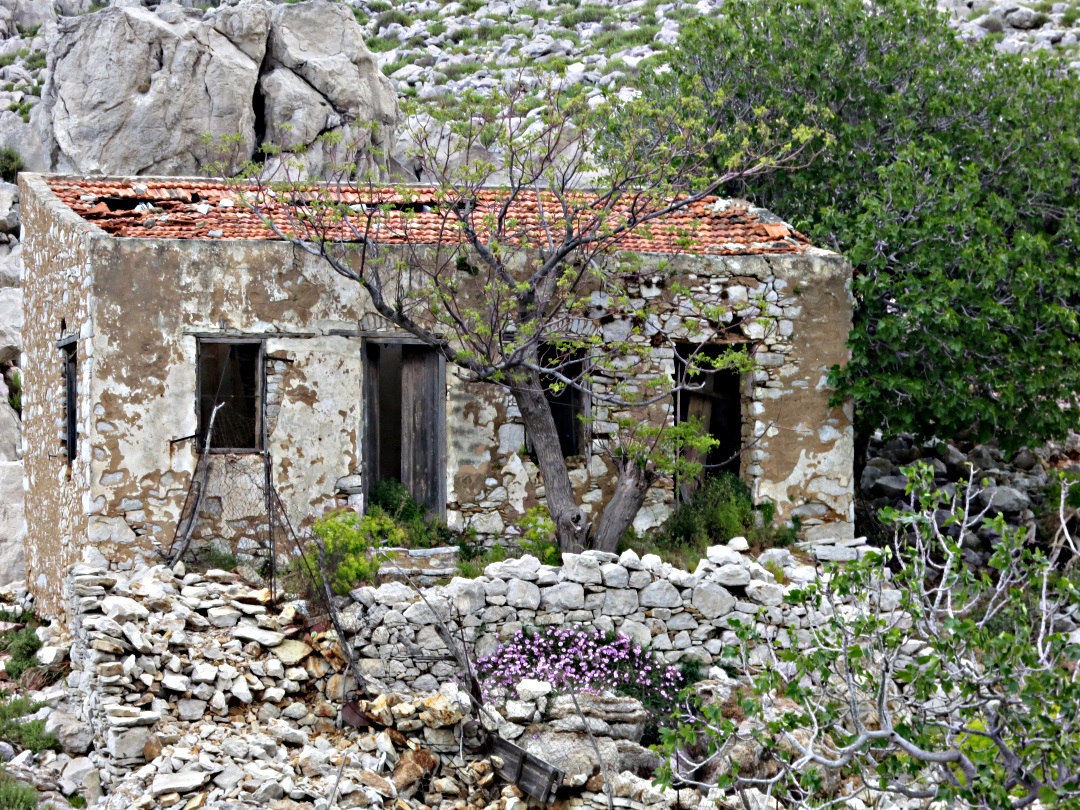
Looking from threshing circle across the pond and the vegetation at the bottom of the settlement to the crag behind which it all hides

The abandoned house within the enclosure

The abandoned house within the enclosure

..... with a magnificent clump of convolvulus outside
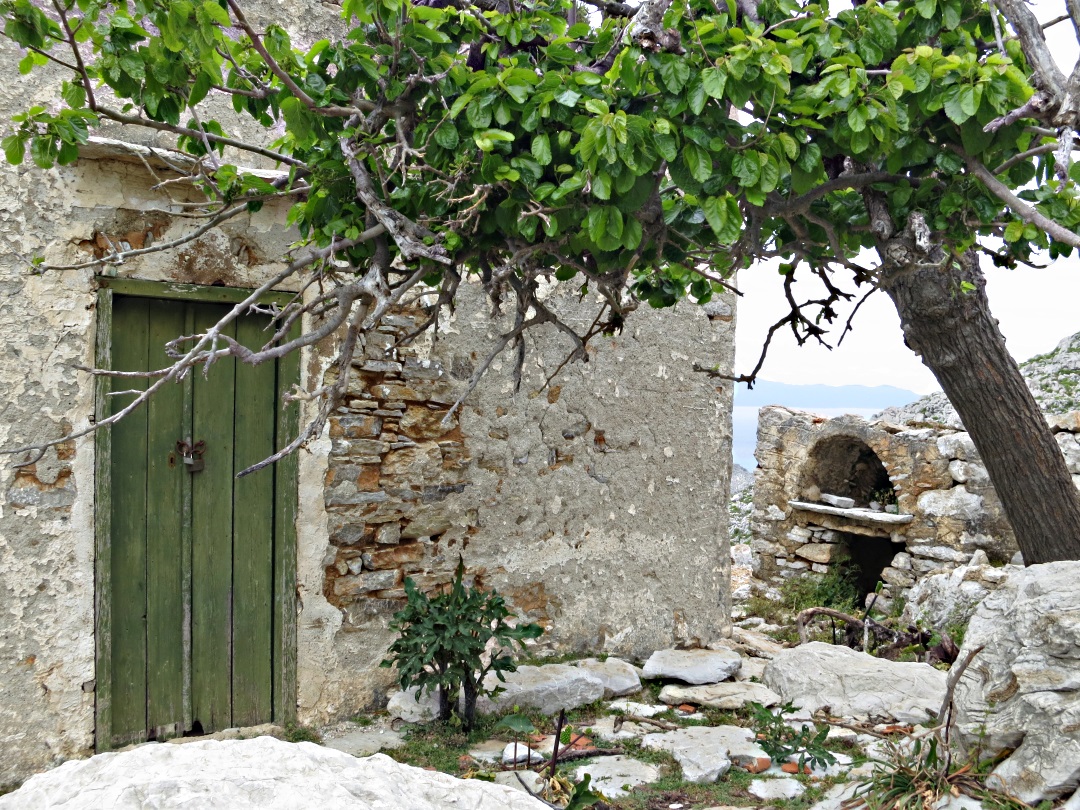
….. with a magnificent clump of convolvulus outside

Still-used house with bread oven beyond and shaded by mulberry tree

Still-used house with bread oven beyond and shaded by mulberry tree

Fruit on the mulberry

Fruit on the mulberry

Over the last few years the water level in the pond has been dropping alarmingly.  October 2014 it was the lowest I have seen it, reduced to a small area with mud-flats at the side and what looked like the opening of a cave system below water level.  This is likely given that there is no way that the pond is maintained by surface run-off.  My guess is that the aquifer which feeds it originates in Turkey, just across the narrow channel.  This may be supported by the fact that this year the water level continued to rise after 2 weeks without rain on Symi.

October 2014
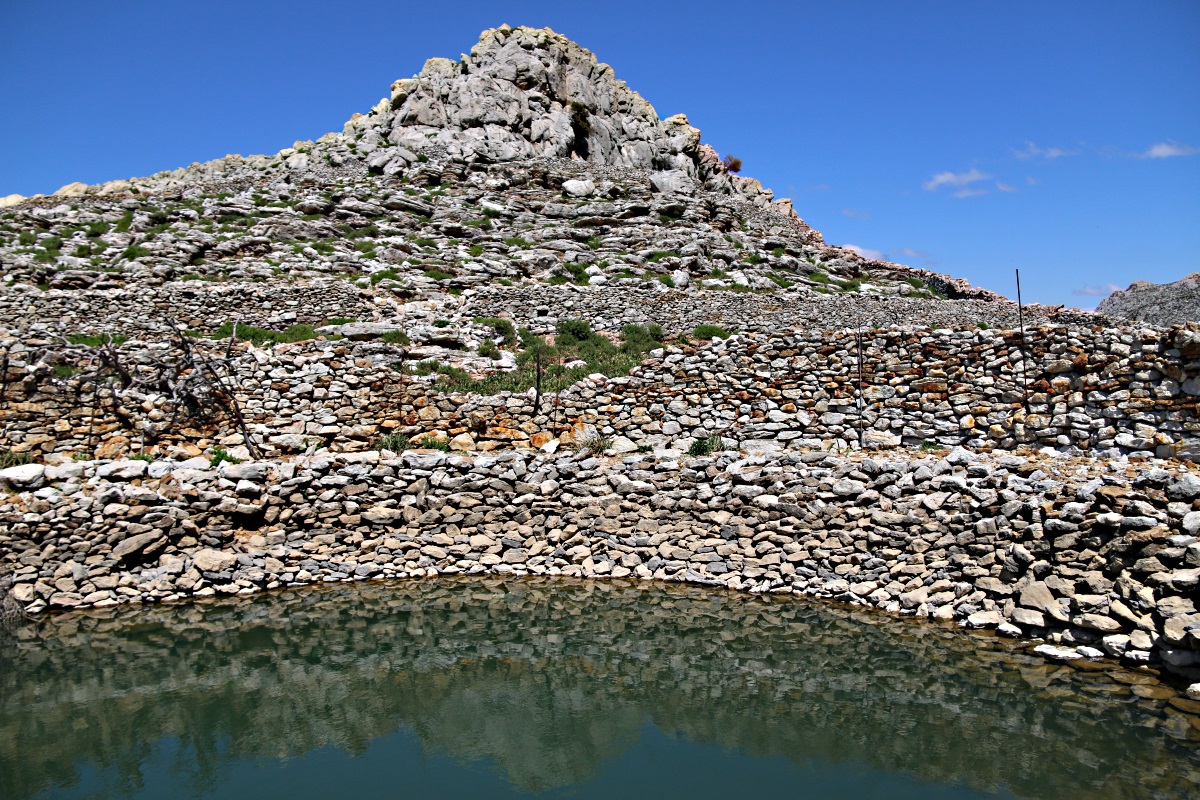
October 2014

April 2015

April 2015

It is now at the level I remember it 15 years ago, with photos of my wife sitting at the water’s edge.  The water level is much higher than this time last year but there is as yet little sign of animal life. The occasional Red Darter settles on the rocks, a lone blue dragonfly buzzes around defying attempts to photograph it.  No sign of the frogs, or the rats or the Black Rat Snake I photographed last year.

Lone Red Darter

Lone Red Darter

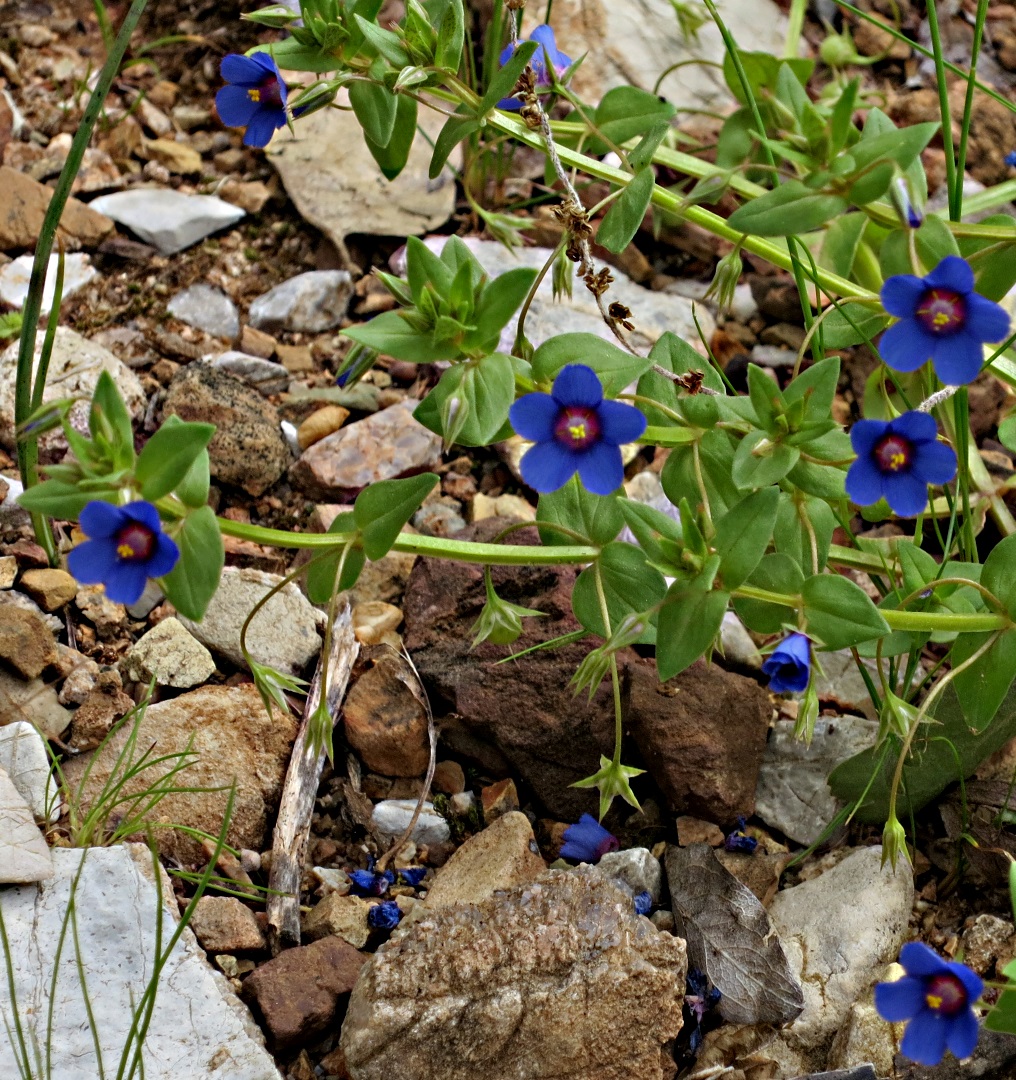
The ground around the edge of the pond is arid but still manages to support a pyramid orchid in full flower and tiny snap-dragon type flowers I haven’t seen before.

Each flower about 3-4 mm
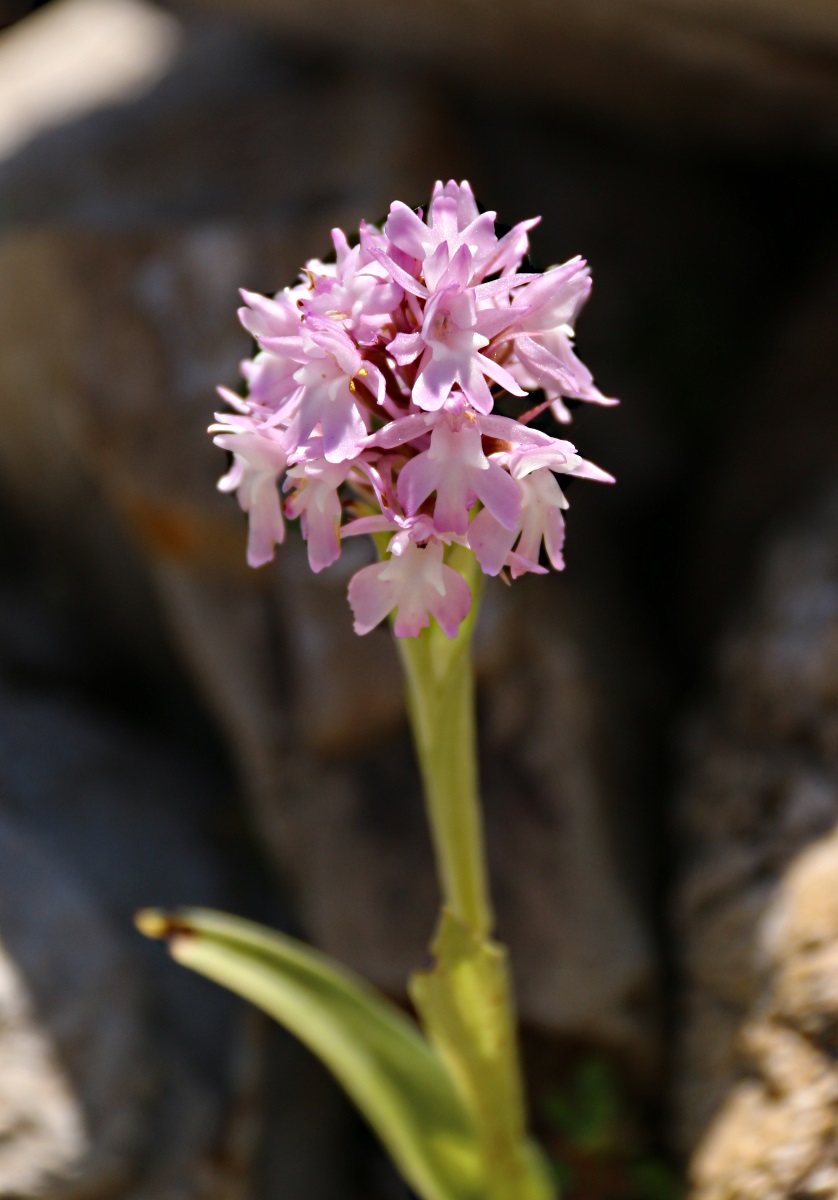
Each flower about 3-4 mm

Pyramid Orchid

Pyramid Orchid

I choose a different way back to Horio, dropping down to the walled Drakos Ancient Edifice. It is a route I walked once many years ago and swore never to use again. Passing below the high walls of the Drakos Fortification, capped by cyclamen and poppies, the ground is dense with aggressive thistles of all descriptions.  It may be OK in wellington boots but sandals require considerable care and progress is very slow.  I wondered if the main defence was the vegetation not the stone walls.

Crown of cyclamen and poppies lights up the top of the Drakos Fortifications
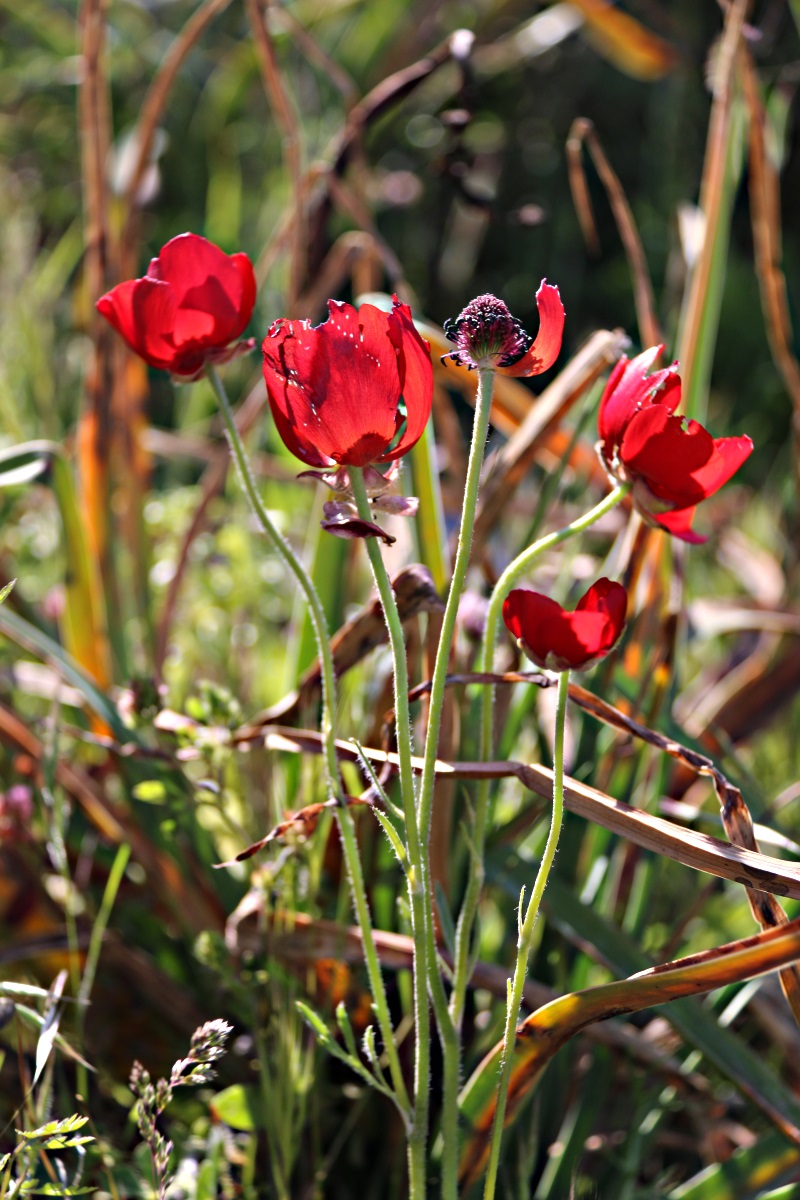
Crown of cyclamen and poppies lights up the top of the Drakos Fortifications

The sun behind old poppies on a wall
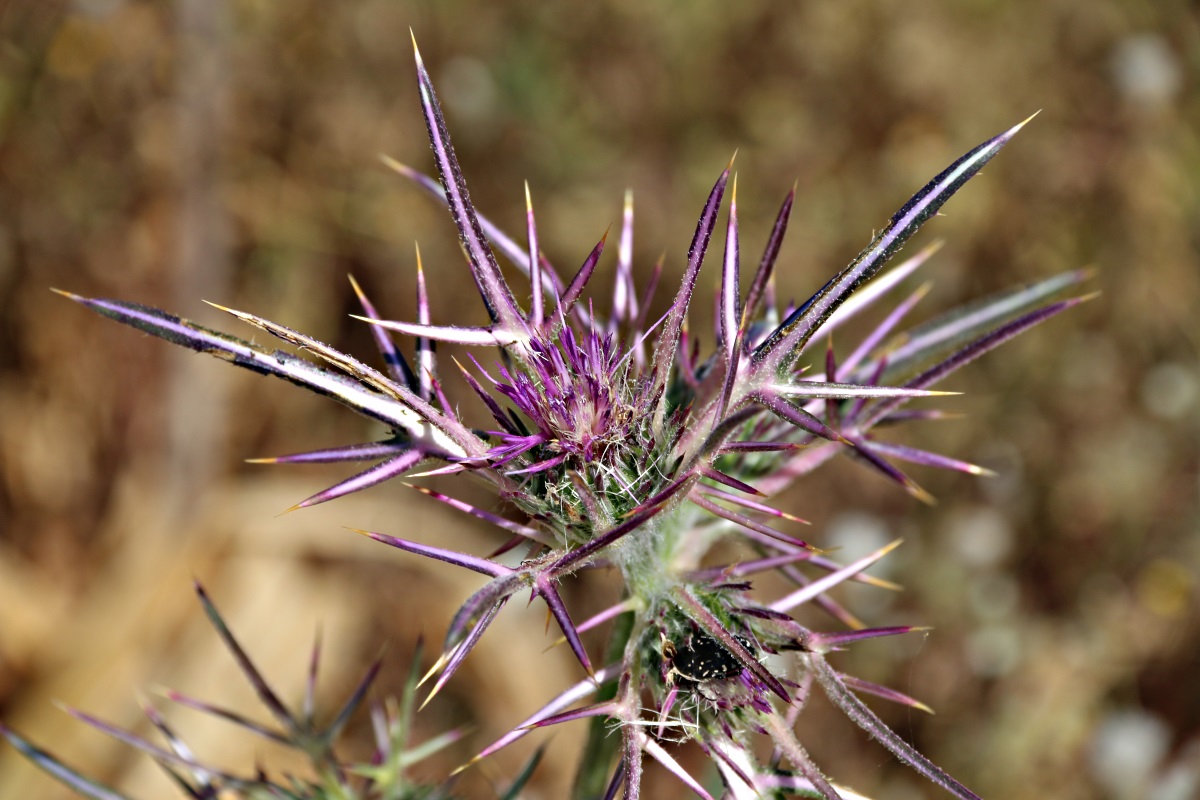
The sun behind old poppies on a wall

Colourful, attractive .... but no less sharp

Colourful, attractive …. but no less sharp

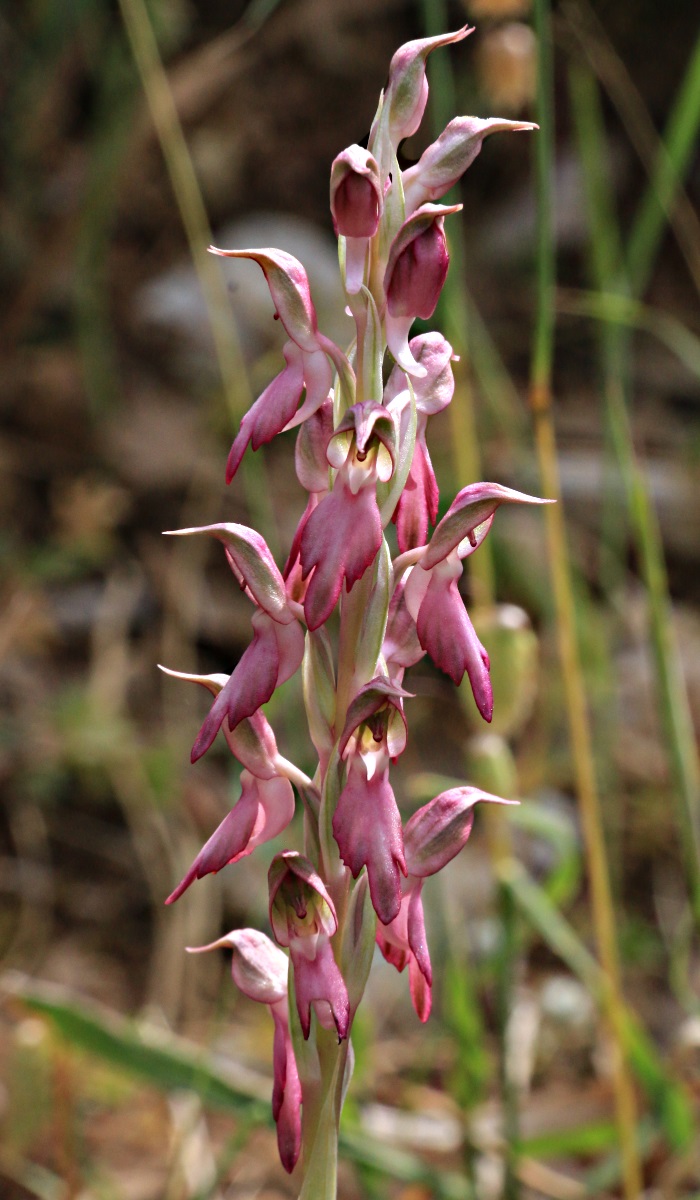
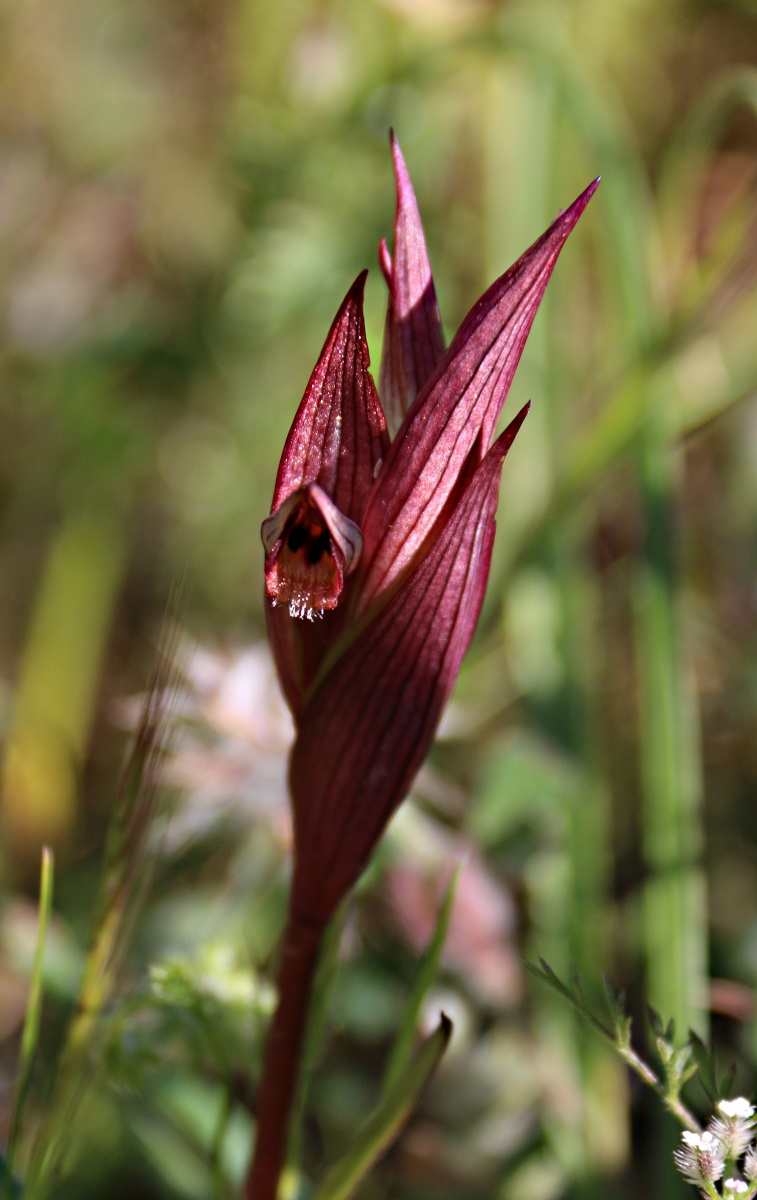
However, once passed the thistles, progress slowed even more on the path along the valley side.  First I spot a couple of tongue orchids and then a diminutive Holy Orchid – and then more and more.  In all I spotted 15 of the latter, all but invisible until their flowers open and then eye-catching.  The discomfort of the thistles was forgotten.
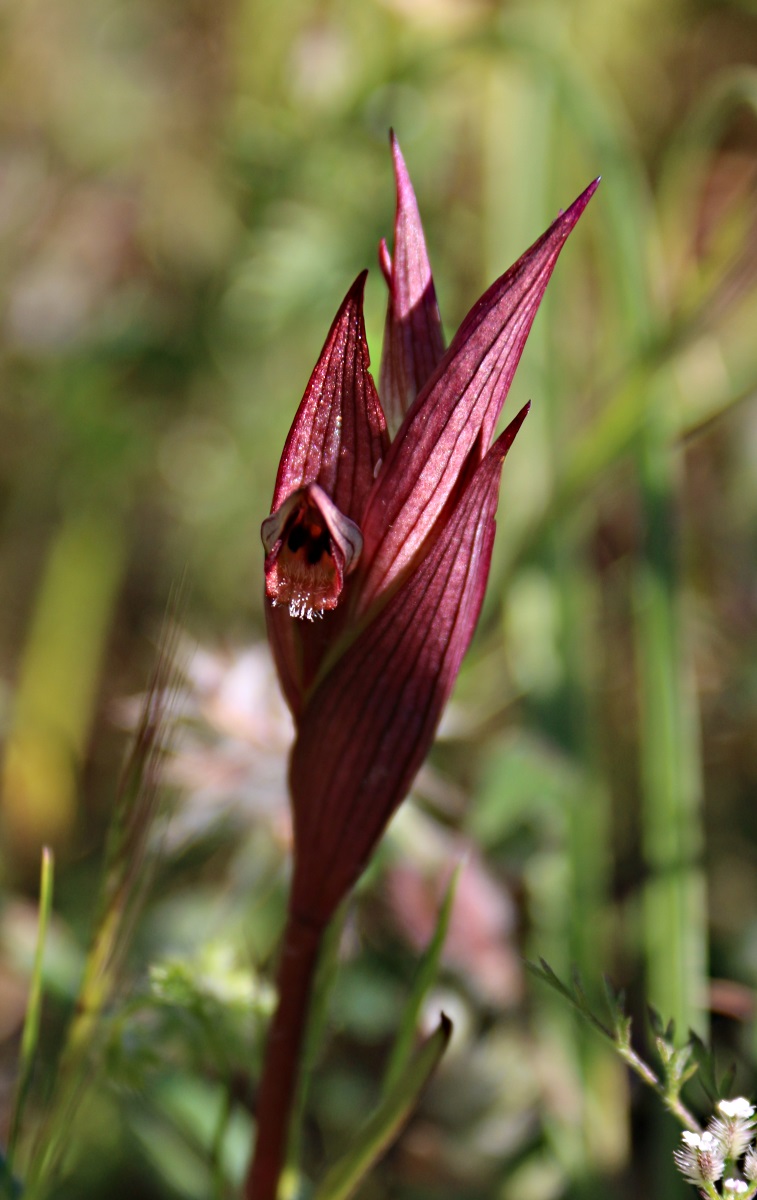
Tongue Rorchid

Tongue Orrchid

Orchis Sancta, the Holy Orchid
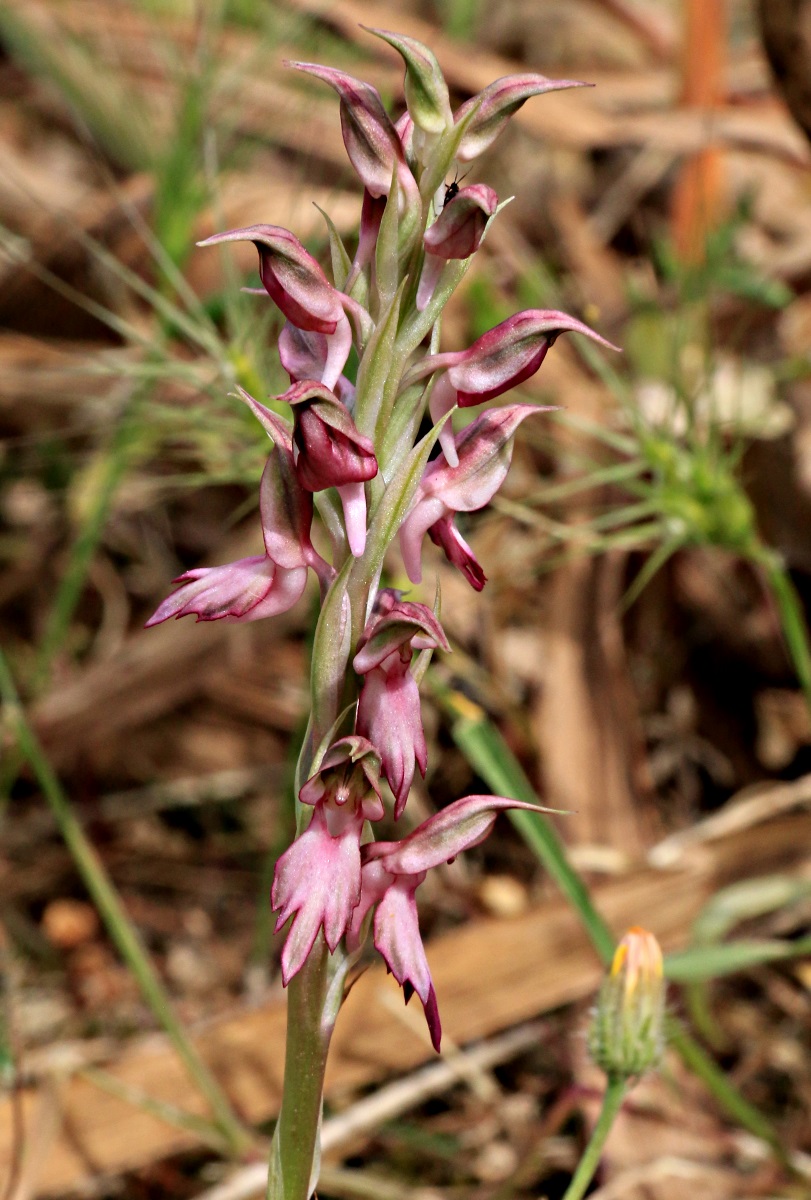
Orchis Sancta, the Holy Orchid

.... variations of colour and shading

…. variations of colour and shading

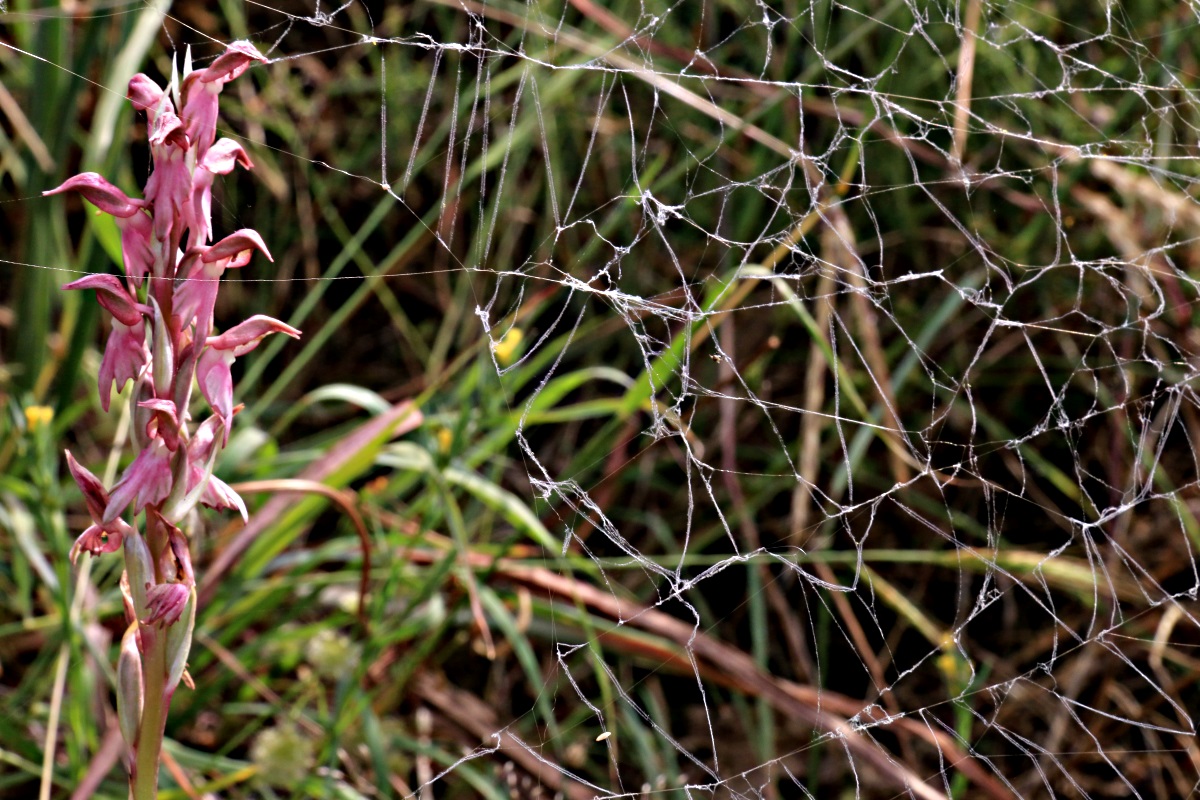
.... used by a spider as an anchor for chaotic web

…. used by a spider as an anchor for chaotic web

.... another spider spins its web over the flowers and hides inside
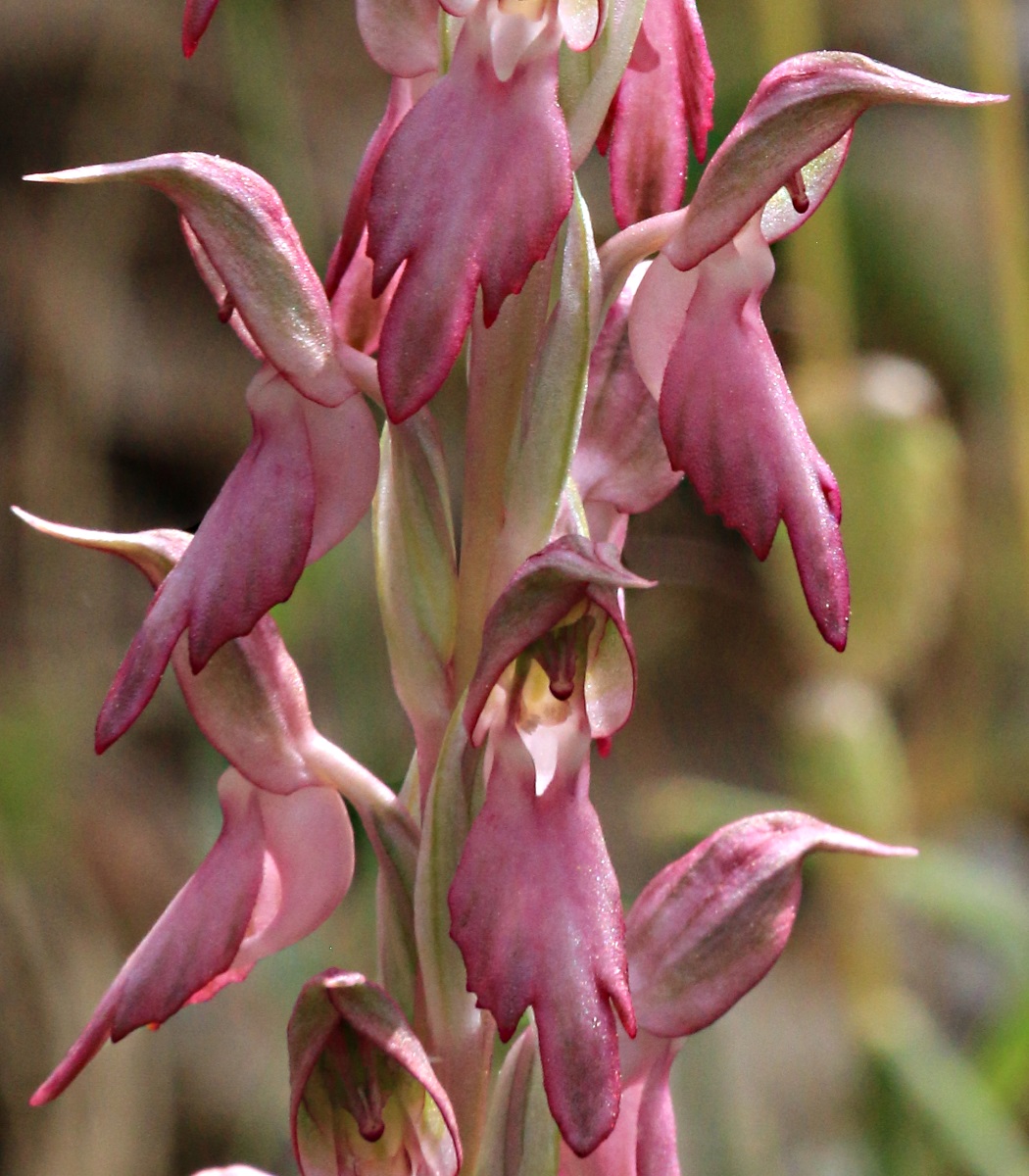
…. another spider spins its web over the flowers and hides inside

Close up of the flowers

Close up of the flowers

x
Posted in Greece, Hiking, History, Landscape, Mountains, Nature, Photography, Spring | Tagged , , , , , , , , , , , , , , | 7 Comments

Symi: a trek to the ridge at the end of Europe

One of my favourite easier walks on Symi is to Nimborio, the original harbour on the island,  and then along the narrow shingly/pebbly beach and a steep zigzag climb up the razor-sharp limestone crags at the far side to the ridge-top Agios Nikolaos monastery.  It’s always very peaceful and only very occasionally do I see anyone else once past the taverna and straggle of beach-side houses.  In fact the only other person I have ever seen up on the ridge is the elderly farmer who tends beehives inside ancient stone walled enclosures towards the end of the peninsula, bringing his produce to town by donkey along a narrow but well trodden path.  The only other possible means of access is by helicopter which would be a bit over-the-top for honey.

Whether walking all the way along the coast road to Nimborio or taking the shorter but steeper route over the shoulder of the mountain via the peaceful Agios Giorgos Drakouniotis monastery, at this time of year the range of plants in flower is very impressive and very colourful.

Some poppies are more flamboyant than others

Some poppies are more flamboyant than others

The Mandrake has usually finished flowering by now

The Mandrake has usually finished flowering by now

Barely 3mm across, a type of vetch I think

Barely 3mm across, a type of vetch I think

Same size, different colour

Same size, different colour

Tassel hyacinth growing out of razor-limestone

Tassel hyacinth growing out of razor-limestone

Nearby cornflower

Nearby cornflower

 Cornflower against the deep shade of a gorge

Cornflower against the deep shade of a gorge

Probably the last of the white Arums still in flower on the island

Probably the last of the white Arums still in flower on the island

..... but the magnificently deep velvety purple Dragon Arums are just coming into their own (shame about the smell)

….. but the magnificently deep velvety purple Dragon Arums are just coming into their own (shame about the smell)

Once, some years ago, I  saw a 6 foot Black Rat Snake basking in the sun at the top of the Drakouniotis valley and its sinuous slither clearly etched across at-the-time wet cement, preserved for ever as it set ….. until cheap stone paving slabs were cemented over the top of it.  I look out for the snake every time I pass that way  No sight so far this year, just a couple of tortoises, butterflies and sundry lizards, some of them up to nefarious activity and refusing to be put-off whatever it was they were up to.

30 cm tortoise munching on flower head

30 cm tortoise munching on flower head

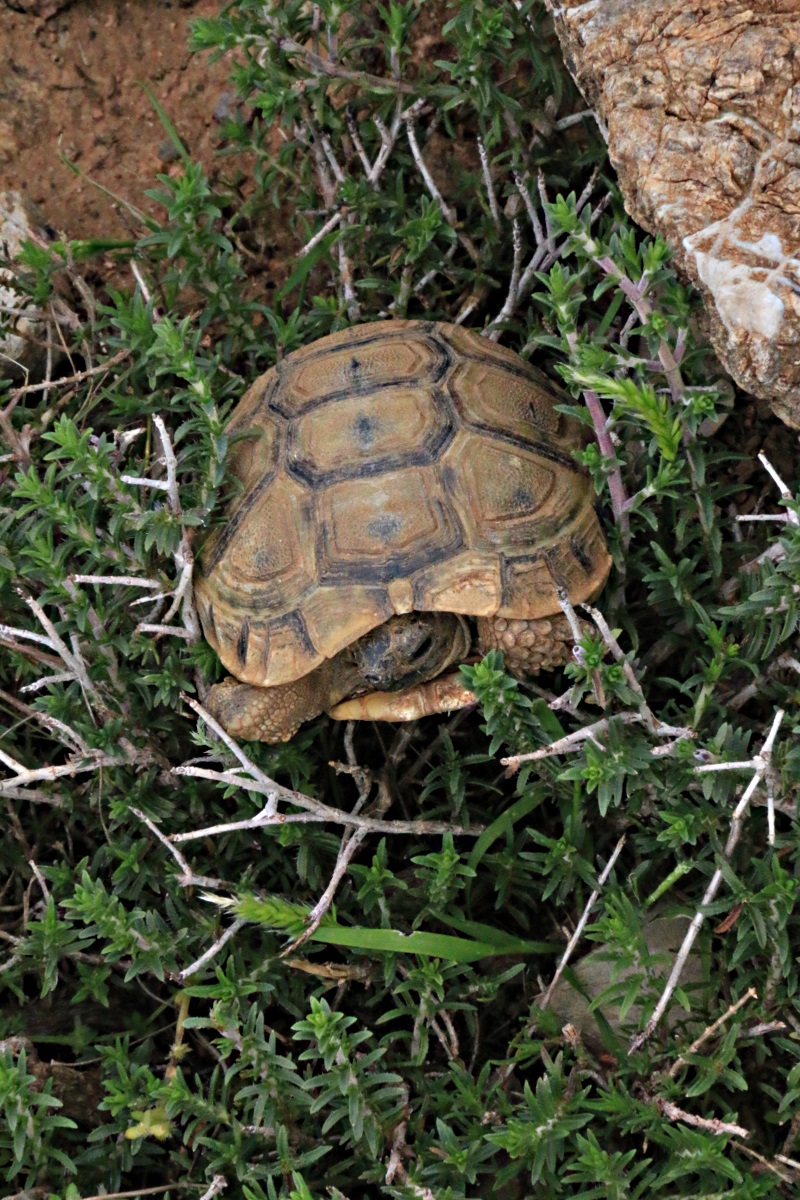
6 cm tortoise stuck in thyme

6 cm tortoise stuck in thyme

Butterflies are attracted to the cornflowers

Butterflies are attracted to the cornflowers above the gorge

..... and the Crown Daisies

….. and the Crown Daisies

Oertzeni lizards – fight or foreplay?

Oertzeni lizards – fight or foreplay?

 Adolescent Painted Dragon lizard, wary of me but not bothered by the sharp rock

Adolescent Painted Dragon lizard, wary of me but not bothered by the sharp rock

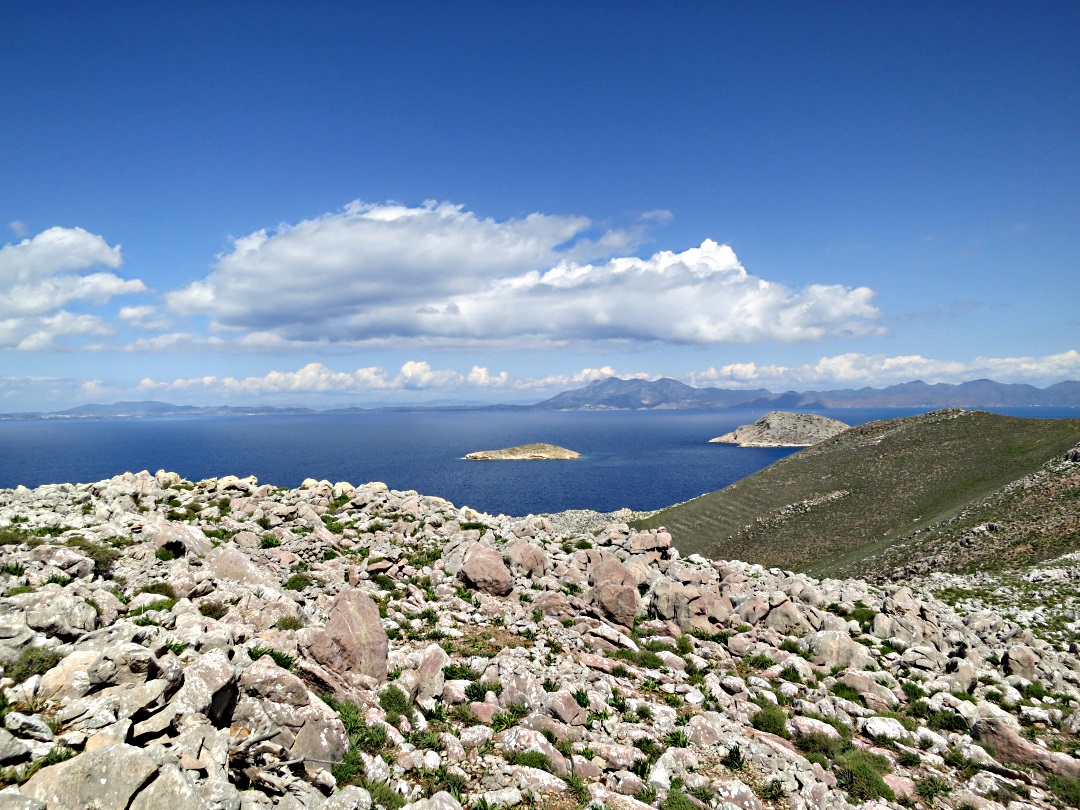
But as I sat on the monastery wall munching a banana and looking east I couldn’t help but contemplate that just across the water, no more than the width of the Bristol Channel, is Asia.  This is the end of Europe.  Or viewed from the other side, the beginning of Europe.

Turkey, Asia, another continent, another world, just across the narrow water, individual houses and wind turbines clear in good visibility

Turkey, Asia, another continent, another world, just across the narrow water, individual houses and wind turbines clear in good visibility

Therein lies a problem.  It is a frontier which is completely porous and refugees fleeing conflict cross the narrow channel in problematic numbers.  Without even having to worry about fast ocean currents, which are characteristic of the Bristol Channel, inadequate boats set out from Turkey several times every week and bring hundreds of refugees fleeing the turbulence and bloodshed in the Middle East, especially these days from Syria which borders Turkey to the east. The Hellenic Coastguard picks up the refugees from boats which are often foundering or tow them into harbour.  In summer they have little or no water, no food and are adrift.  In winter they face strong winds and rough seas.

They are taken to the tiny police station on Symi.  In some cases these are obviously middle-class professional people, men wearing suits and carrying briefcases and laptops, most with passports, looking for asylum.   Some have crossed with 3 generations of family. They are ‘processed’ in the woefully inadequate space of the police station, camped out sometimes more than a hundred at a time on a balcony with, so I’m told, one loo between everyone, men, women, children and the elderly.  Imagine yourself in that situation.

Often they have been lied to by those they have paid to arrange their boat trip, and don’t know where they are, just that they are coming to Europe.  I met some guys who had been told they could get to Athens for €14, a complete nonsense.  At the end of their processing, with an attempt to filter out extremist infiltrators,  they go to Rhodes or Athens.  Athens, by all accounts, is also increasingly overwhelmed by the problem.

Local Greeks and those visitors with a sympathetic nature, a feeling for the suffering of other humans beings, don’t resent their presence but are at a loss to know what can be done to resolve the problem.  Reporters, some from broadsheet newspapers, come and badly misrepresent what is going on because scaremongering and bigotry sells more copies.  I was here when it happened last year.  Locals were outraged at the lies and distortions.  At least there isn’t the tragic loss of life on a massive scale on the crossing from Turkey as there is on the crossing from North Africa.

This is a problem for Europe but Greece is one of the countries at the sharp end of dealing with it.  Good news that the EU is to triple funding for tackling the problem …. but time will tell whether it is enough.

I walk back from the ridge in a more sombre, reflective mood.

x
Posted in Greece, Hiking, Landscape, Mountains, Nature, Photography, Reflections, Spring | Tagged , , , , , , , , , , , , | 5 Comments

Symi: a floriferous walk down the valley

Those who were on Symi over the winter tell me that the winter was the wettest they can remember. After a cloudy and cool start to my stay on the island the last few days have been sunny and increasingly warm.  The result is that flowering has been delayed but now plants are bursting into bloom all at once, catching up on a delayed start, programmed to complete the process before summer drought sets in.

Trekking around , particularly at low level, shows a huge variety of plants in flower.

This time last year a walk down the path to Pedi was rewarded with a few scattered patches of cyclamen remaining in flower.  This year there are literally tens of thousands, carpeting shady ground underneath trees, clustered at the foot of stone walls, growing out of rock crevices.

A cluster of cyclamen at the base of a stone retaining wall

A cluster of cyclamen at the base of a stone retaining wall

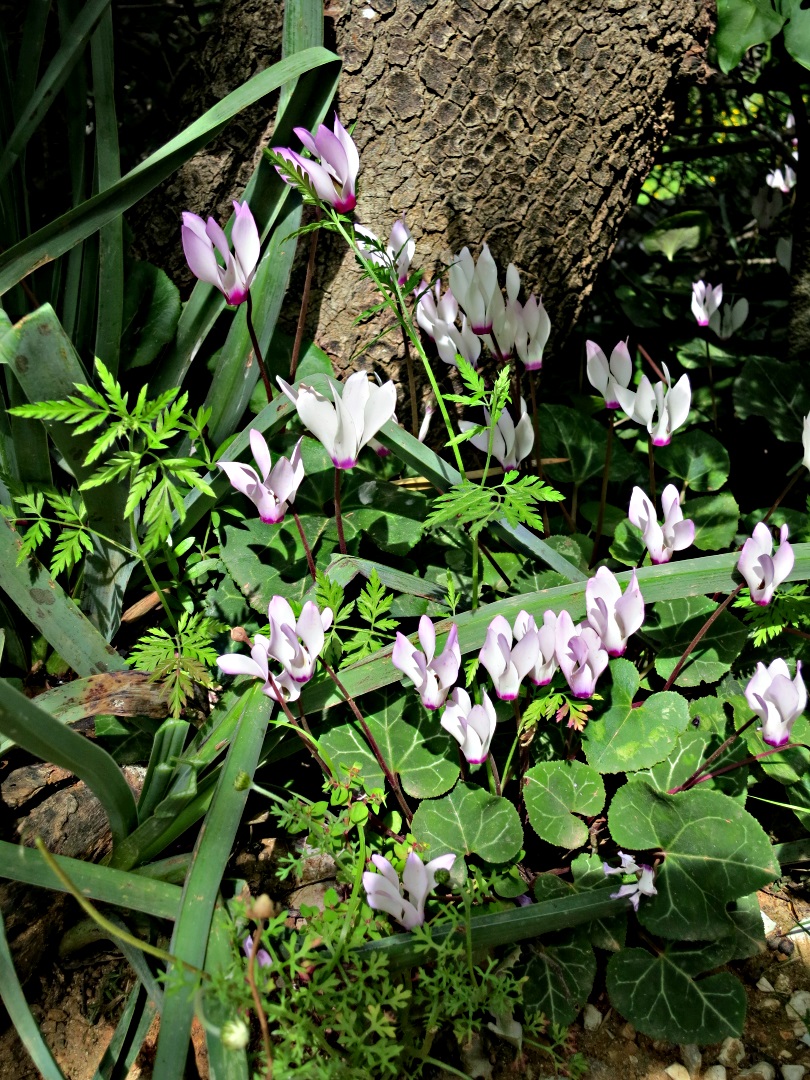
In a woodland setting at the base of a tree

In a woodland setting at the base of a tree

are white but some are deep pink

are white but some are deep pink

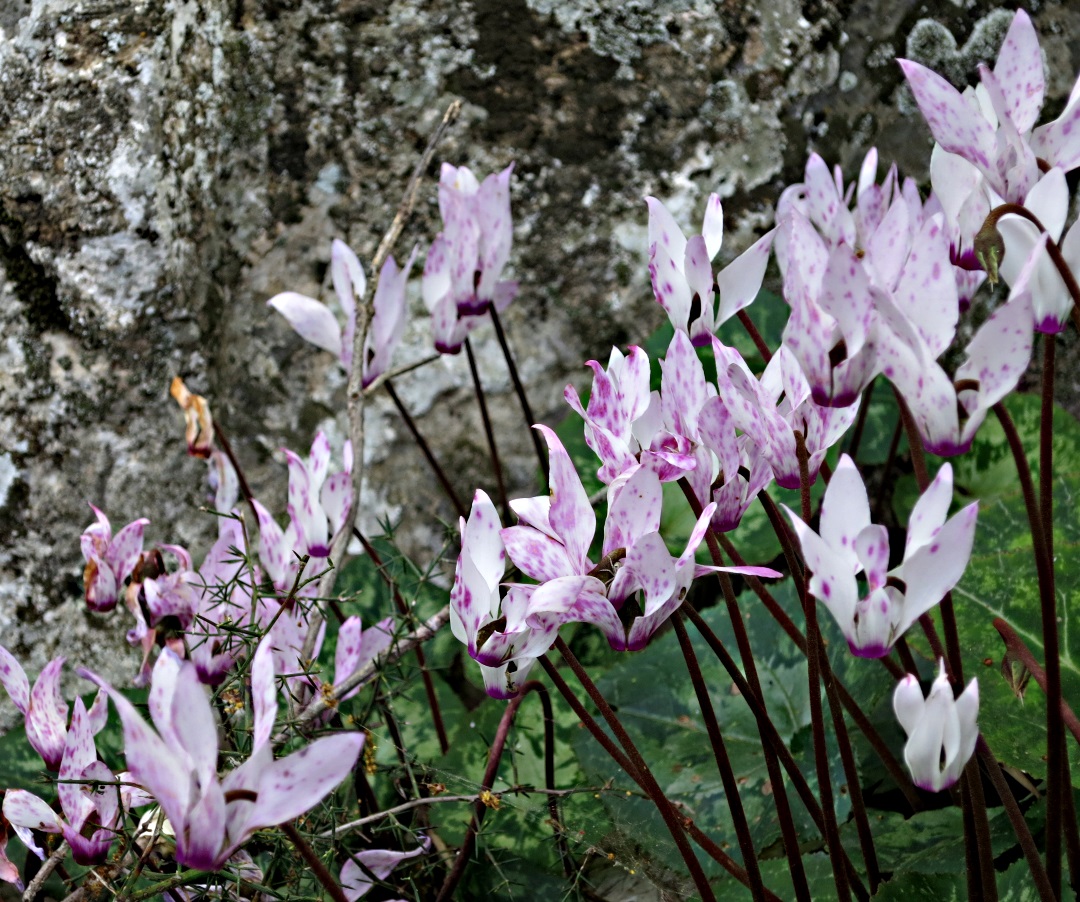
Others are white mottled with pink

Others are white mottled with pink

Daisies of various kinds, but especially the flamboyant Crown Daisies, grow in clumps against walls, colour whole fields, with poppies adding an additional eye-catching splash of colour.

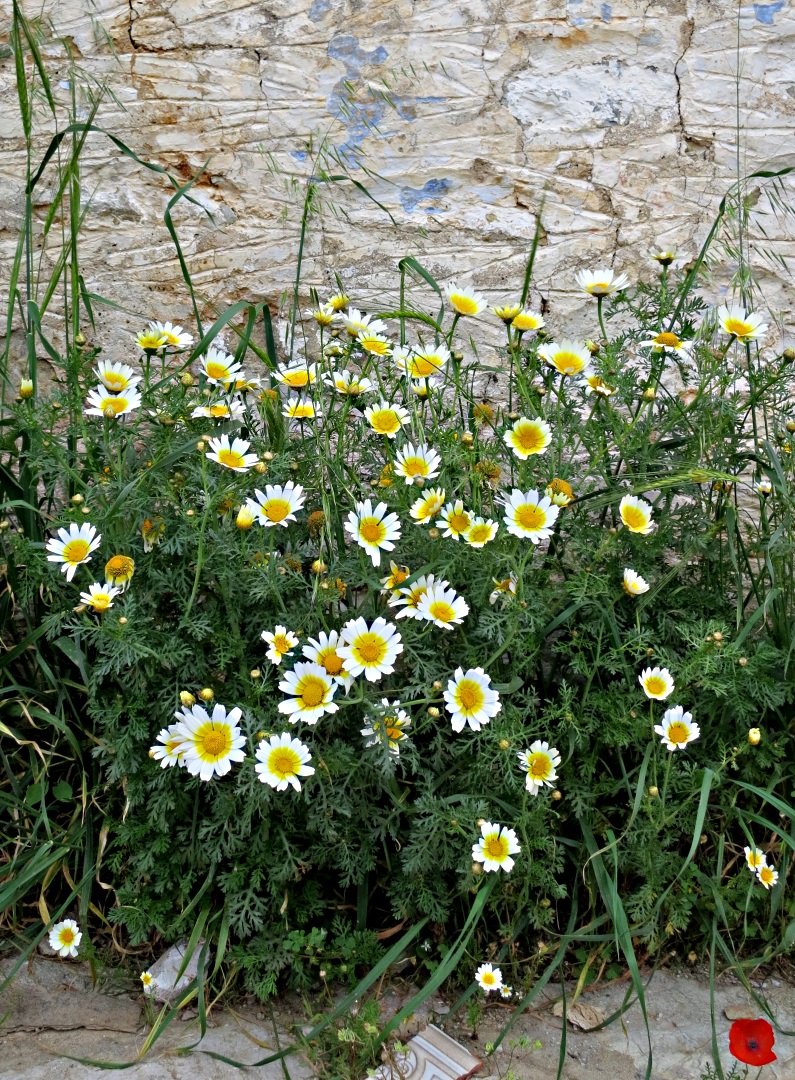
Crown Daisies, known amongst other names as ‘edible chrysanthemums, against an old wall

Crown Daisies, known amongst other names as ‘edible chrysanthemums, against an old wall

Closer view of Crown Daisies, some of which are entirely yellow

Closer view of Crown Daisies, some of which are entirely yellow

smaller daisies cluster tightly together

smaller daisies cluster tightly together

 Crown Daisies fill terraced fields, splashed by poppies

Crown Daisies fill terraced fields, splashed by poppies

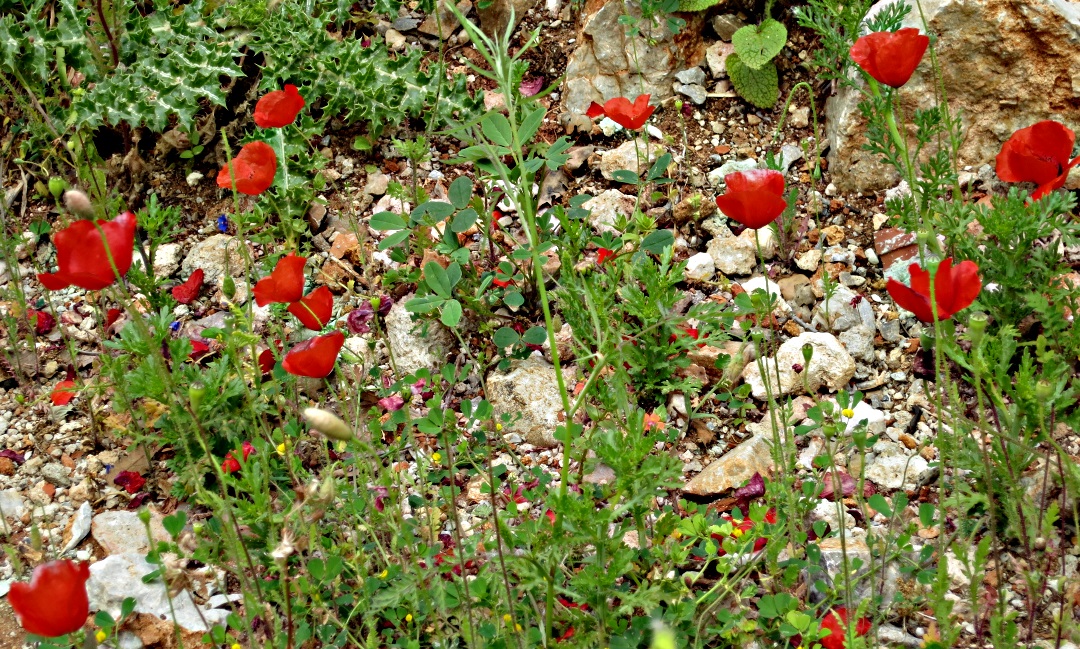
A single poppy catches the eye in a dense mat of other small flowers including star clover

A single poppy catches the eye in a dense mat of other small flowers including star clover

... or distract attention from dumped rubble

… or distract attention from dumped rubble

The path down the Pedi Valley to the coast has some of the most fertile soil on the island and a great variety of habitat types.  The result is a huge array of flowering plants at this time of year.

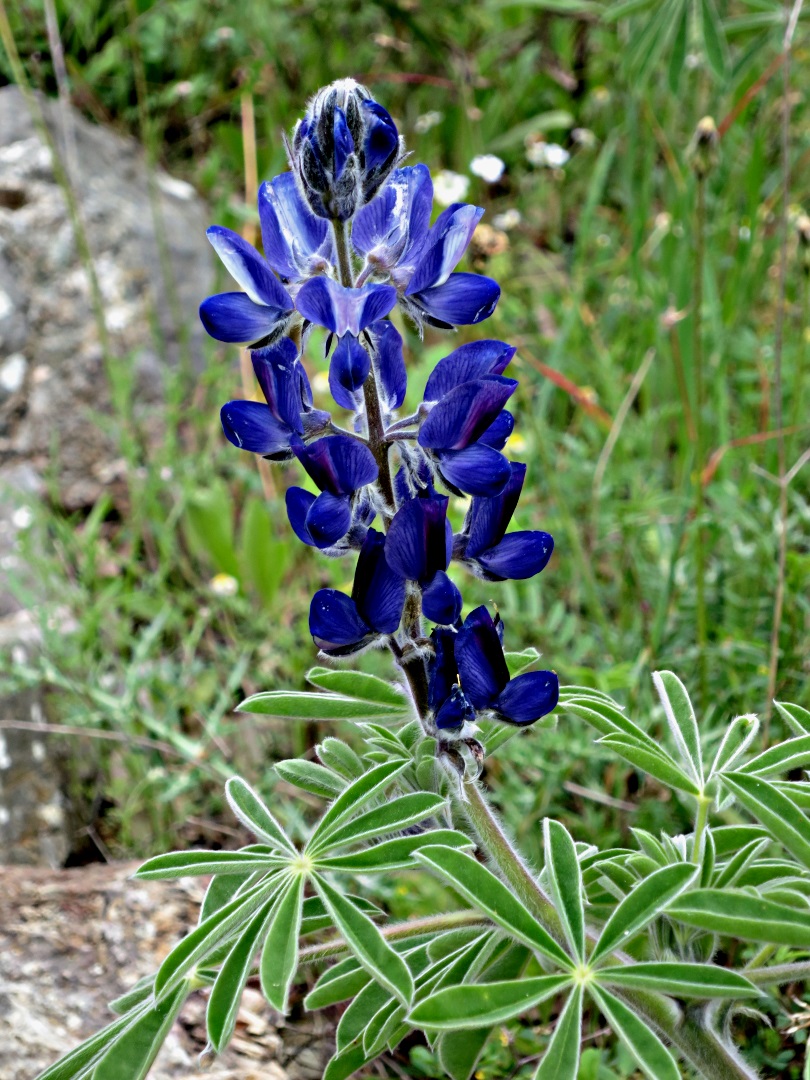
Wild lupin

Wild lupin

Beautiful Dock

Beautiful Dock

elegant flower in tight bud

elegant flower in tight bud

..... opens out elsewhere

….. opens out elsewhere

White Rock Rose

White Rock Rose

Tassel Hyacinth

Tassel Hyacinth

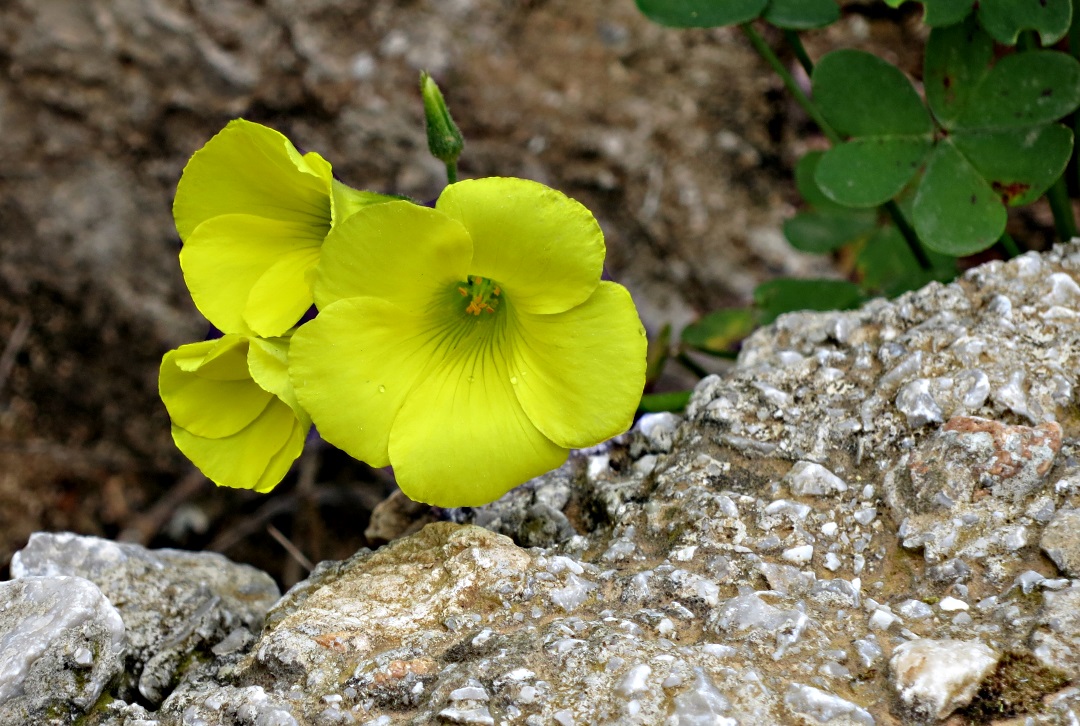
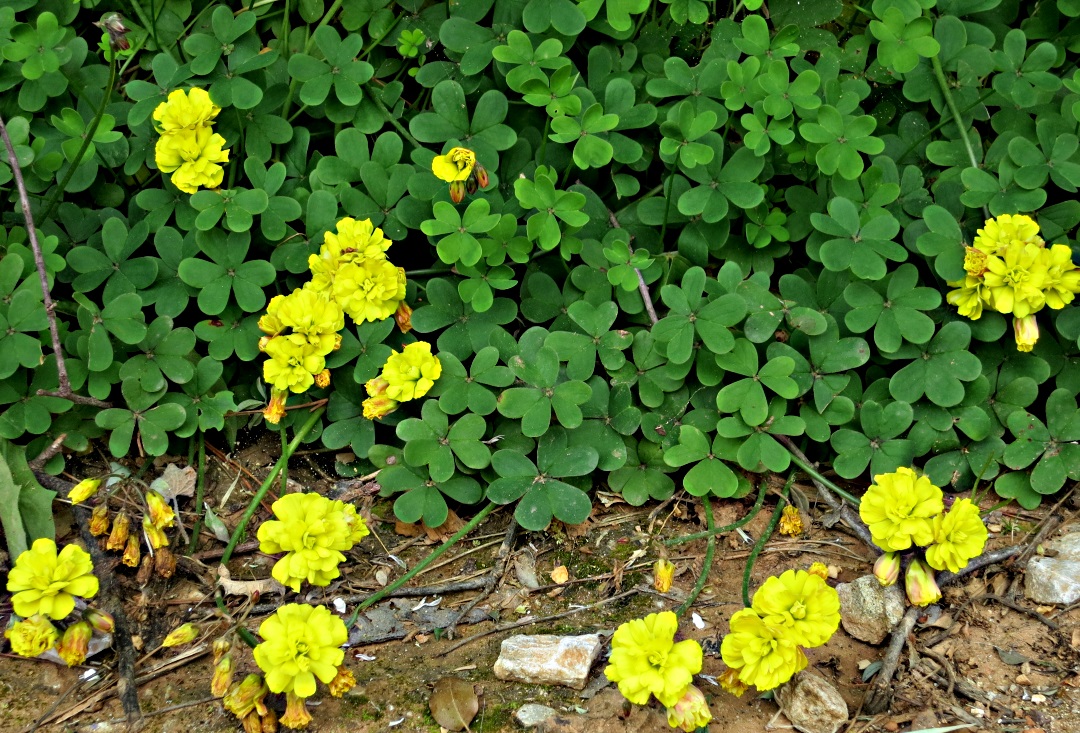
Bermuda Buttercup, neither from Bermuda nor a buttercup

Bermuda Buttercup, neither from Bermuda nor a buttercup

.... a double variety of the same misnomer

…. a double variety of the same misnomer

Looks like an orchid but is in fact Broom Rape, parasitic on the roots of other plants including Bermuda Buttercup

Looks like an orchid but is in fact Broom Rape, parasitic on the roots of other plants including Bermuda Buttercup

Spears of pale blue flowers – another form of Broom Rape

Spears of pale blue flowers – another form of Broom Rape

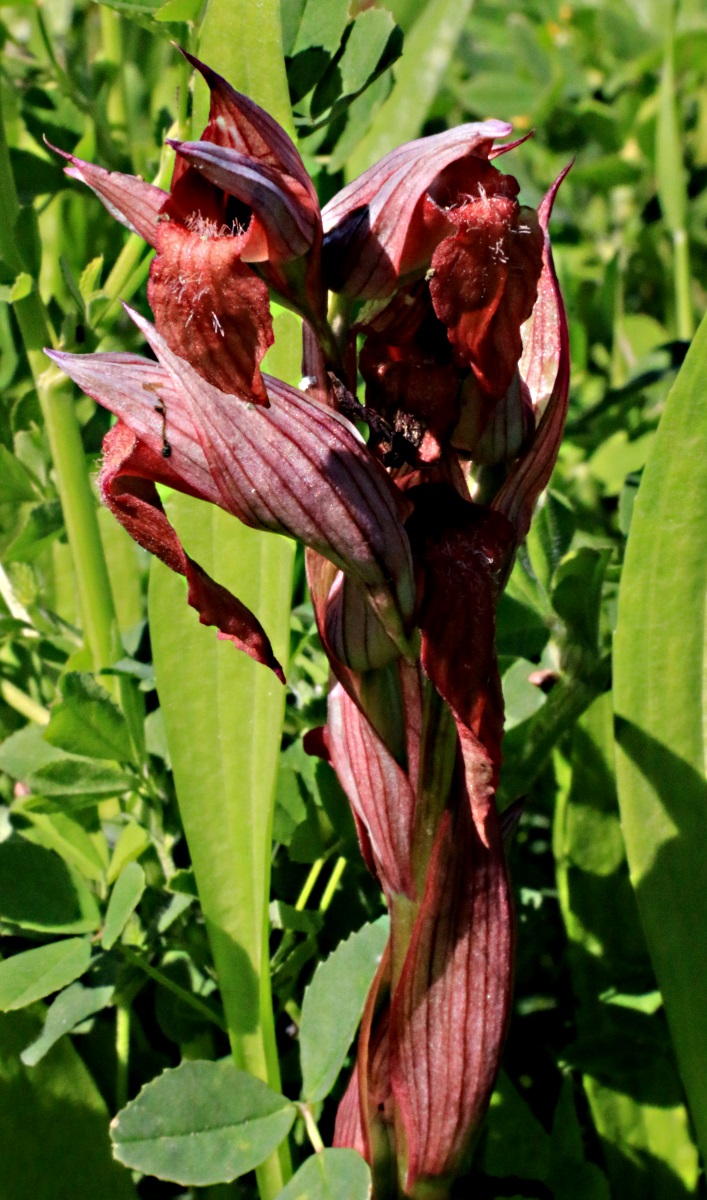
 Leaf Orchid

Leaf Orchid

... closer look at the flower

… closer look at the flower

Blue Periwinkle

Blue Periwinkle

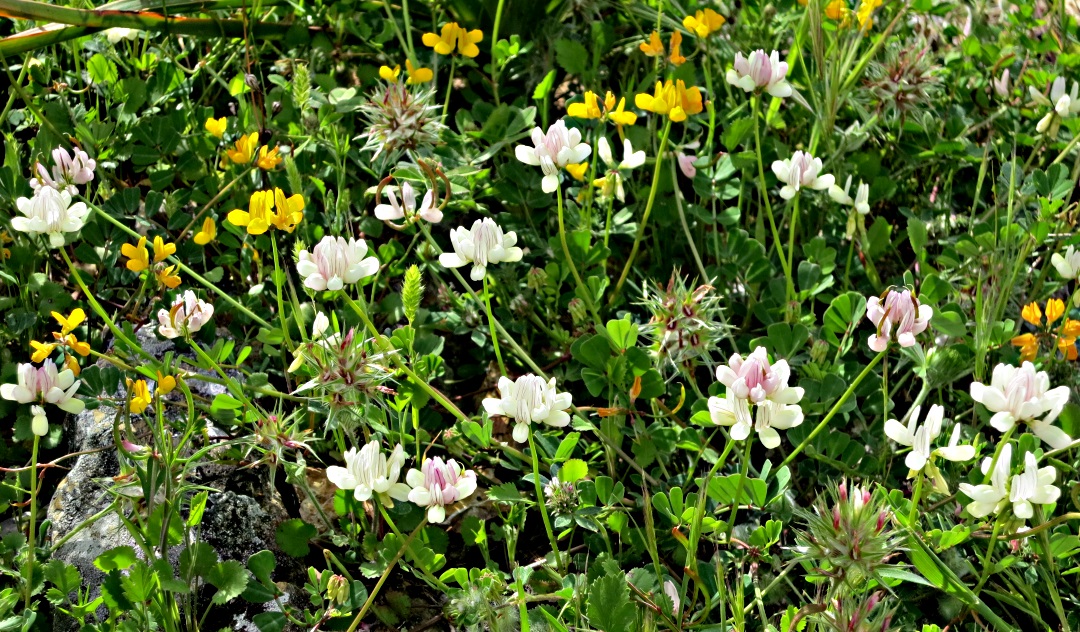
In places varieties of clover and other flowers just mass together like a rich shag-pile carpet

In places varieties of clover and other flowers just mass together like a rich shag-pile carpet

x
Posted in Greece, Hiking, Landscape, Nature, Photography, Spring, Weather | Tagged , , , , , , , , , , , , , , , , | 2 Comments

Greece: Kos I was there.

The plane landed at Kos airport just after 06.00.   Rapidly through baggage reclaim and out into the fresh morning air after having been cooped up in airports and planes since 19.30 the previous evening.  I declined to wait an hour and a half for the first bus to Kos Town and took a taxi, arriving at 07.00 before the town had woken up.

On the seafront, the remnant of a dramatic sunrise-sky.

Remnant of dramatic sunrise sky

Remnant of dramatic sunrise sky

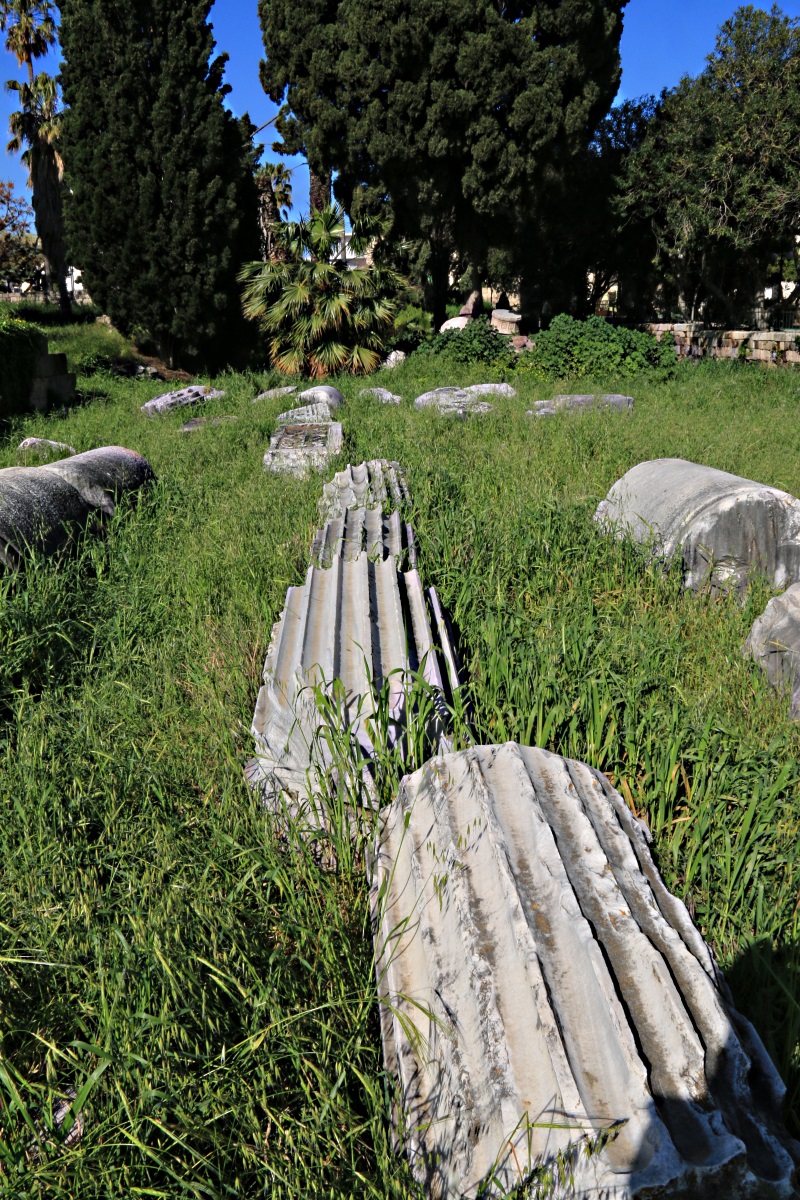
After breakfast in a friendly hotel and with the prospect of a whole day ahead of me before a ferry to Symi at 16.00 I headed for the archaeological site of the old agora. Which I always find fascinating.   At the beginning of April it looked familiar but very different, prostrated marble columns almost lost in the spring vegetation.  Initial impression was that it was mostly green but closer inspection showed a wide array of colour as plants flowered and hurriedly set seed to ripen before the blistering heat of summer.  All against a backdrop of archaeological remains, some dating back to centuries BC.

Small brightly coloured flowers in a mass of vegetation

Small brightly coloured flowers in a mass of vegetation

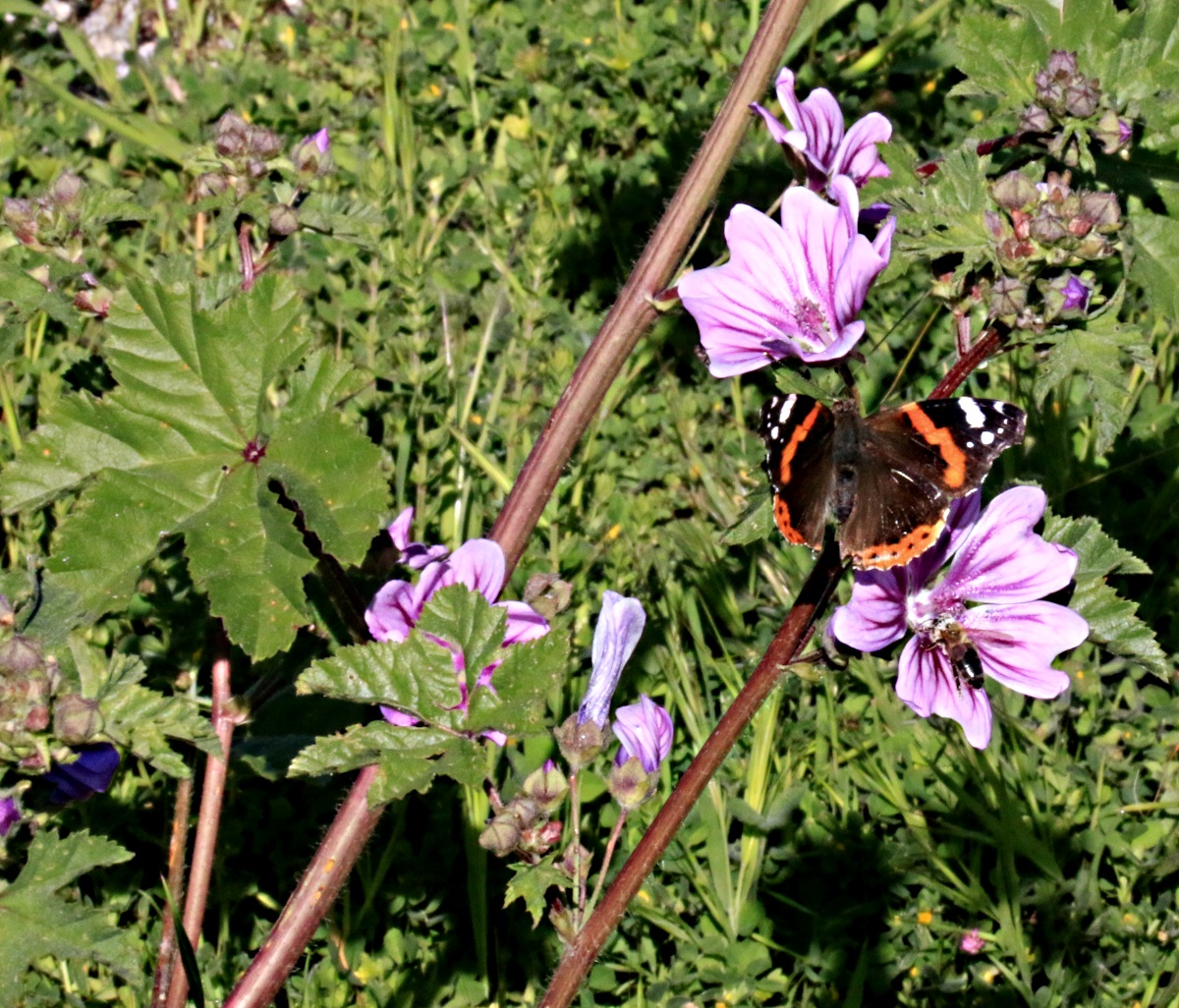
Mallow with prostrate marble column behind

Mallow with prostrate marble column behind

Bits lying around everywhere

Bits lying around everywhere

Marble columns almost lost in the vegetation

Marble columns almost lost in the vegetation

Bits lying around everywhere

Bits lying around everywhere

In the cracks between marble steps

In the cracks between marble steps

Small brightly coloured flowers in a mass of vegetation

Small brightly coloured flowers in a mass of vegetation

Mallow with prostrate marble column behind

Mallow with prostrate marble column behind

In large colourful patches

In large colourful patches

Less obvious but intricate

Less obvious but intricate

A reminder of the Mediterranean's agricultural wealth from classical times - wild barley (I think)

A reminder of the Mediterranean’s agricultural wealth from classical times – wild barley (I think)

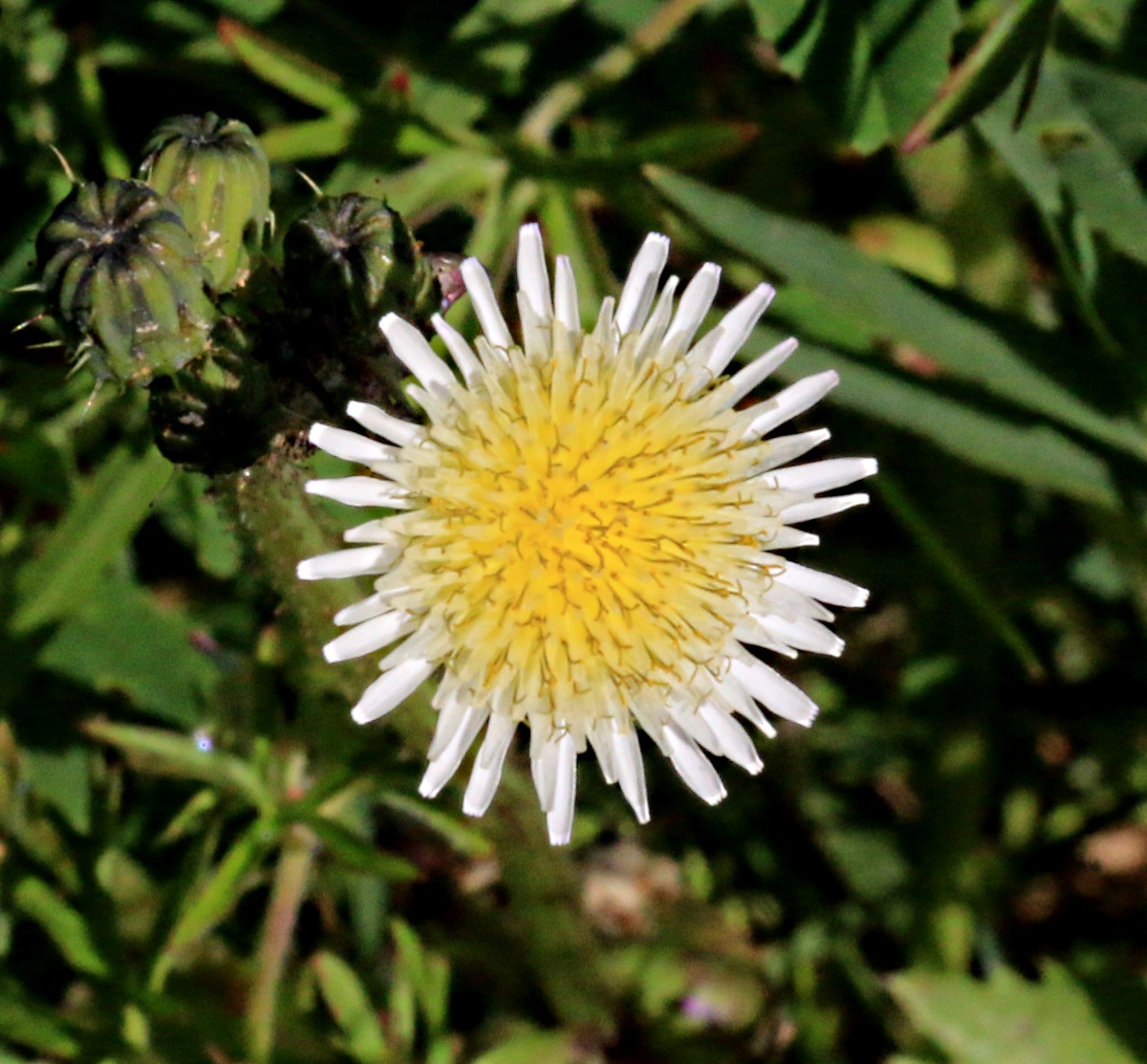
Type of dandelion ?

Type of dandelion ?

Wild barley

Wild barley

Wild oats

Wild oats

A flight of marble steps

A flight of marble steps

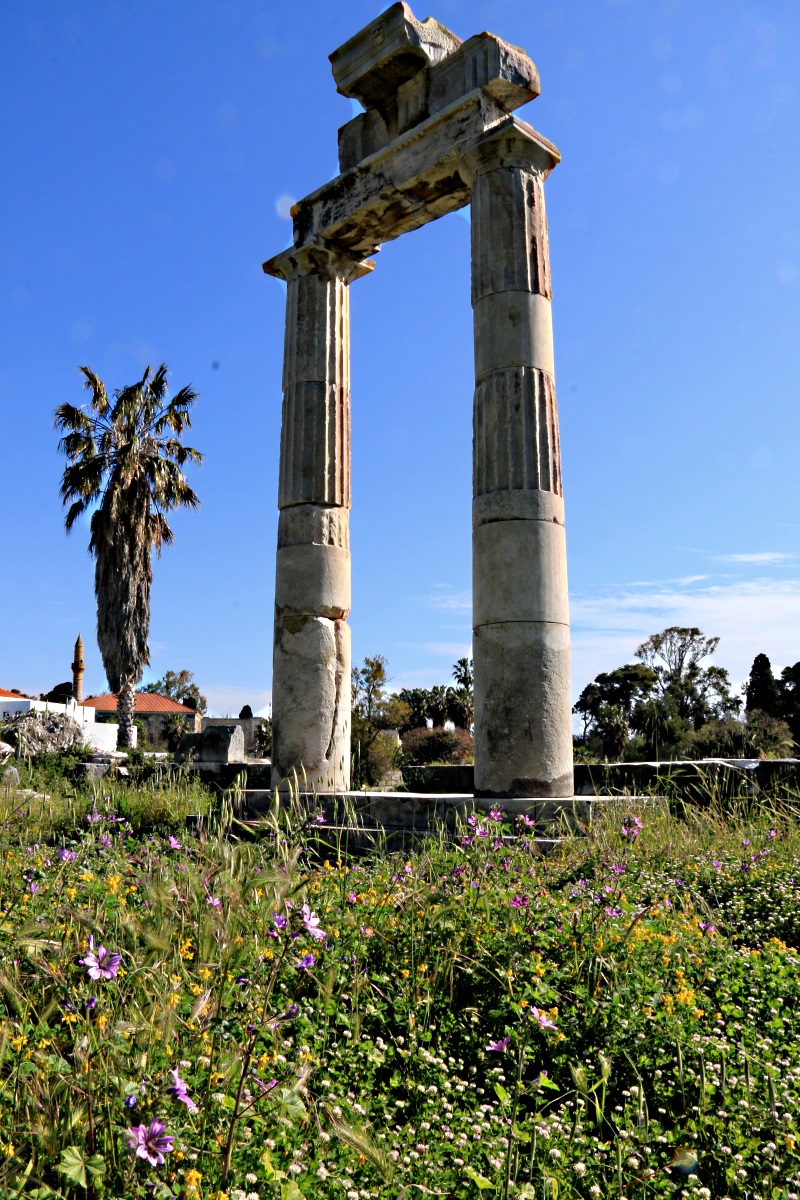
Standing columns, note the butterfly left foreground

Standing columns, note the butterfly left foreground

.... take a closer look

…. take a closer look

Columns in a 'meadow' of flowers

Columns in a ‘meadow’ of flowers

... and with a mallow in the foreground

… and with a mallow in the foreground

Masses of small flowers all mixed up

Masses of small flowers all mixed up

Daisies and masonry

Daisies and masonry

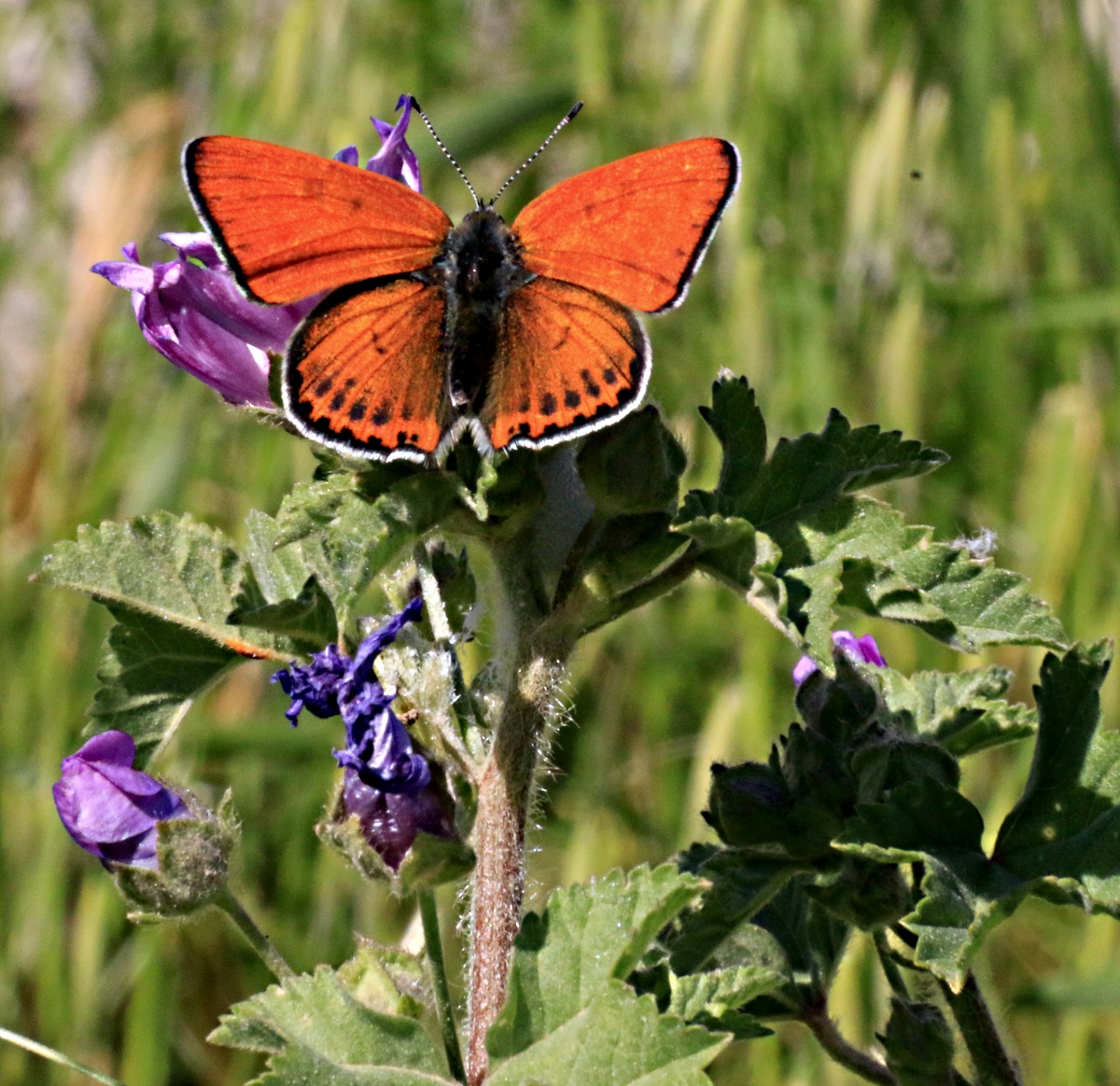
Butterfly and mallow

Butterfly and mallow

A solitary orchid

A solitary orchid

Stately and spectacular

Stately and spectacular

A kind of bugloss, I think

A kind of bugloss, I think

.... a closer look

…. a closer look

Mallow and marble carving

Mallow and marble carving

Mostly finished flowering but a few reamin

Mostly finished flowering but a few reamin

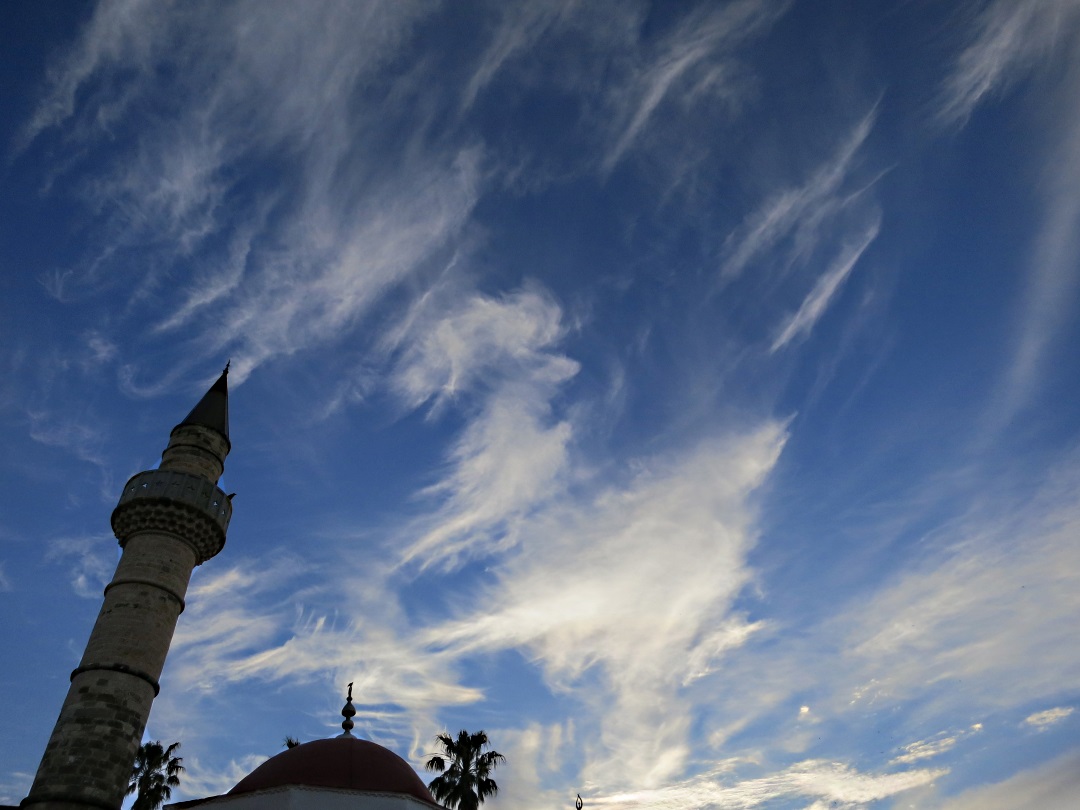
Minaret on old mosque in the agora points to high cirrus cloud

Minaret on old mosque in the agora points to high cirrus cloud

Carving still in place on top of column

Carving still in place on top of column

x
Posted in Greece, History, Nature, Photography, Spring | Tagged , , , , , , | 8 Comments

From Wales to Greece: Greek Island Walks

Preparing to return to Greece has been taking precedence over escaping into the mountains recently.  A spell of dry weather meant most of my time has been in the garden clearing, cutting back, pruning, planting, sowing, but that was brought to an abrupt end by a couple of days of heavy rain and very strong winds.

When the rain eased back on Sunday afternoon I put off the cleaning, failed to start the packing, and went up the mountain behind the house.  Only 3 miles up to The Folly and back, an hour at brisk pace given the steep terrain, but invigorating.

I reached the ridge top in time to see the narrow band of watery blue sky being chased eastwards by black cloud driven on by fierce wind.  Head down, I quickened my pace into the driving rain as I headed along the ridge path, reflecting that this time next week I would be on Symi, hopefully under blue sky and warm spring sunshine.  I didn’t mind that I was wet.

The Folly Tower on top of the ridge above Pontypool

The Folly Tower on top of the ridge above Pontypool

Narrow blue slot being overtaken by rain cloud

Narrow blue slot being overtaken by rain cloud

For some time now I have been intending to add another couple of pages to Barry’s Ramblings.  I have now added a page on Greek Island Walks with detailed walking guides to a few of the many routes on the Dodecanese islands of Symi and Nisyros.  I hope that they prove useful.

Posted in Uncategorized | Tagged , , , , , , , , , | 2 Comments

From Wales to Greece: preparations eclipsed

Wednesday and I was feeling pleased with myself.  I finally got round to booking a flight to Greece.  A bit of lateral thinking and I fly to Kos rather than Rhodes.  The flight arrives on Rhodes after the Dodecanese Express has set off on its northward journey to Patmos thereby necessitating an overnight stay in a hotel.  By flying to Kos I can catch it on its way back south and arrive on Symi the same day that I land.  A result!

Thursday evening and I’m chatting with a friend over a curry and a pint and I have a mild panic as it suddenly dawns on me that there are only two weeks before I leave and many things to sort out.  Not least is the garden which is still bedraggled after the winter, the soil too wet and cold to have even thought about planting the potatoes or sowing seed in the vegetable patch.  The day had been fine and sunny and I had continued with the new retaining walls I’m building.  Maybe I should have changed my priorities.

Friday dawned cloudless again for the second day running.  But the pressing need to get on with preparing the garden was eclipsed by  …. watching the eclipse.  Some things just take precedence.  There was a grandstand view from the balcony at the back of the house with perfect conditions for the whole of the 2 hours as the moon crept across the face of the sun and then silently moved away again.  It was only a partial eclipse but still spectacular as the light turned to evening softness and birds landed in the trees.

I took a few photos, not very good, I lack the technical expertise to cope with such extreme contrasts.

Eclipse begins, moon moving from right to left

Eclipse begins, moon moving from right to left

.... half an hour later

…. half an hour later

The maximum coverage at 09.30

The maximum coverage at 09.30

Starts to move away again

Starts to move away again

Thin patch of high cloud acts as a filter

Thin patch of high cloud acts as a filter

x
Posted in Greece, Nature, Photography, Wales | Tagged , , , , | Leave a comment

From Grey Britain to Greek sunshine: looking forward

Into March now, in theory the beginning of spring.  Despite the occasional day of sunshine it’s still mostly grey, wet and cold. Not much sign of the weather warming up significantly but my focus has shifted.

I’ve reluctantly turned my back on trekking in winter conditions and instead am planning ahead for a return to Greece at the end of March or early April.  There is little appeal in walking under grey skies, mountains clagged in low cloud and that means apart from anything else trying to get the garden in order.  The soil is still too cold and wet to plant the potatoes or sow seed so I’m doing more wall-building and hard-landscaping to reduce the amount of maintenance needed while I’m away.

I know from previous visits that the Greek islands are very colourful in Spring with far more wild flowers than the parched vegetation of Summer.  This Spring I’ll be involved in a small way with a ‘Wild Flowers and Walking Group’ and am looking forward to that.

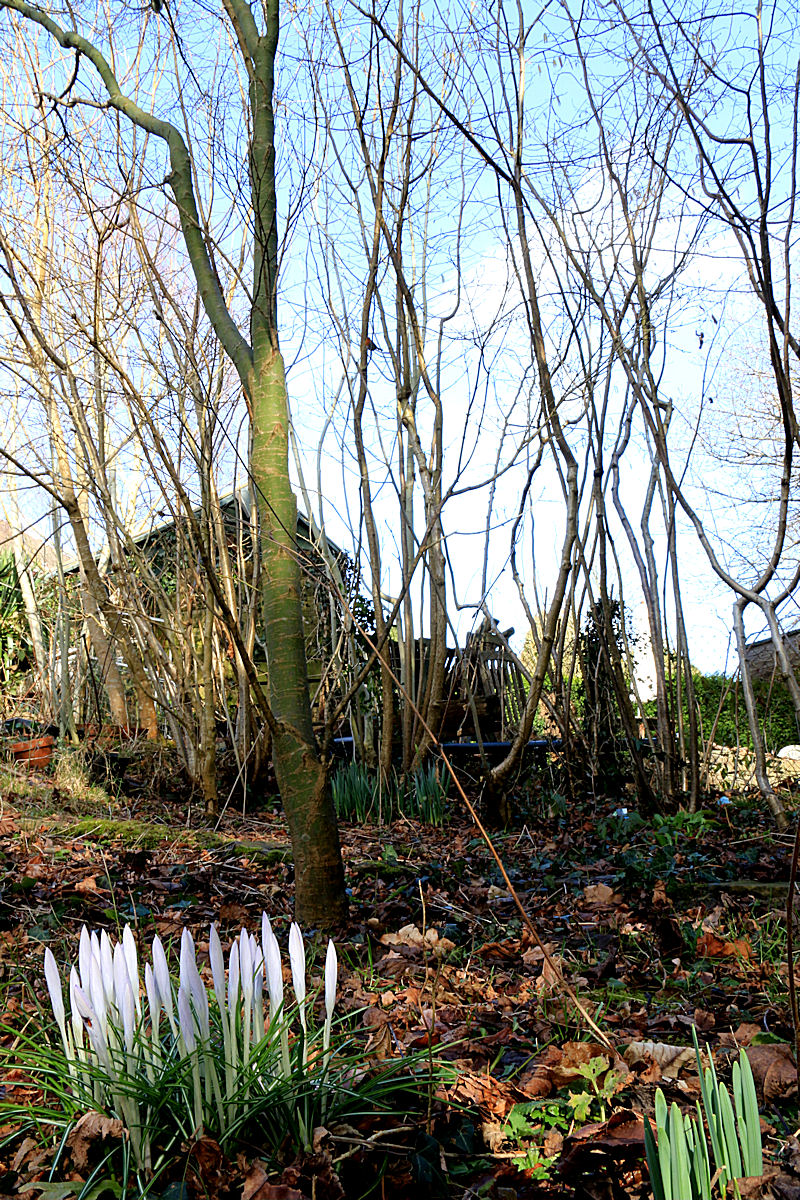
In the meantime, with nothing as yet in flower on the mountain behind the house, I take the camera down the garden now and again and photograph the spring flowers emerging through the fallen leaves in the ‘Acer Glade’, the trees planted to reduce the amount of maintenance needed down there.

Crocuses in bud in the Acer Glade

Crocuses in bud in the Acer Glade

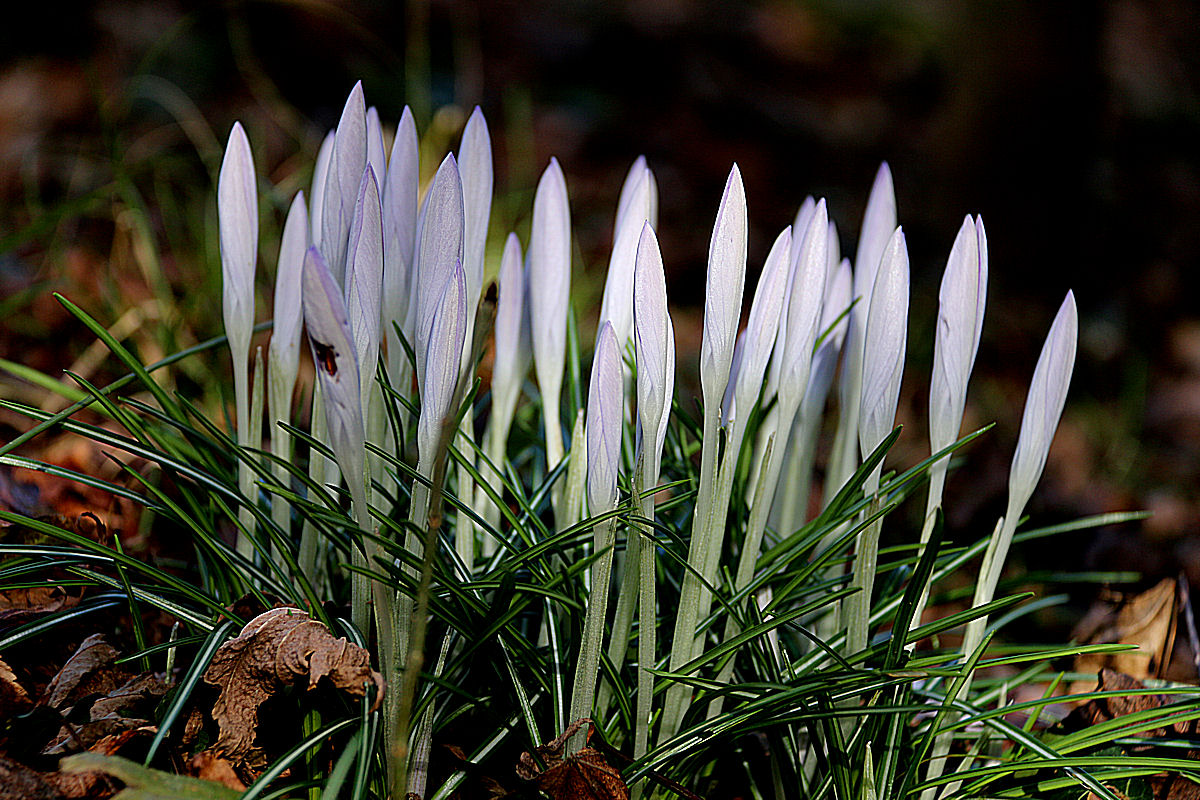
.... closer look

…. closer look

.... and Deep Purple

…. and Deep Purple

A couple of days later the flowers open

A couple of days later the flowers open

..... and  a closr look

….. a closer look

Daffodils open for St David's Day

Daffodils open for St David’s Day

Large Tortoiseshell still sheltering in the house

Large Tortoiseshell still sheltering in the house

x

Posted in Greece, Grey Britain, Mountains, Nature, Photography, Spring, Wales, Winter | Tagged , , , , , , , , | 2 Comments

Brecon Beacons: an hour’s trek to a frozen world

Monday and it was sleeting at home when I got up.  The Met Office forecast heavy showers of rain, sleet and maybe snow all day with temperatures rising to a maximum of 3oC.  I knew it might be snowing on top of the ridge behind the house but the prospect of walking through sleet didn’t appeal.  The ridge rises to 425 metres on Mynydd Garn Wen, an hour from the house, with a high point of 555 metres at the top of The Blorenge 3 hours away.

Air cools at approximately 2oC for every 300 metres.  The house is at 115 metres and so the 300 metres rise to the top of Garn Wen made the likelihood of snow a bit of a gamble.  Sleet was more likely.

I still had the memory of the core area of the Beacons white with snow from when I trekked up the ridge to Abergavenny a week or so earlier. So I chickened out of the prospect of sleet, took the car out of the garage, and drove up to the car park below Pen-y-Fan, at 886 metres the highest peak in the Brecon Beacons National Park.

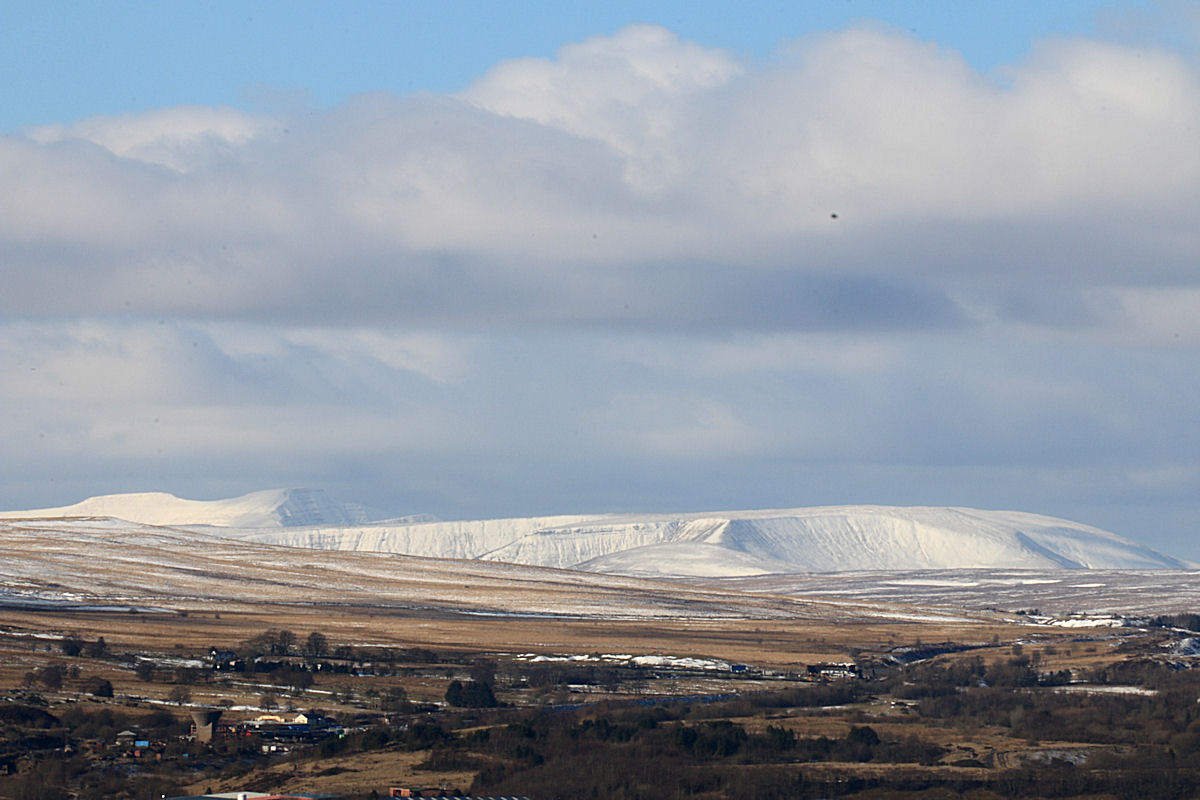
The core area of the Brecon Beacons seen from the ridge behind the house, Corn Du and Pen-y-Fan on the left

The core area of the Brecon Beacons seen from the ridge behind the house, Corn Du and Pen-y-Fan on the left

The Brecon Beacons are known to be deceptively dangerous in winter conditions because they are exposed to strong winds with no shelter available.  The chill factor is considerable.  I don’t know whether it is still so but it used to be the case that the army suffered a headline grabbing number of fatalities from exposure using the area for training.   But if you know what you are doing and have the right kit, it’s great fun.

The temperature in the car park was -1 oC.  There were only 5 other cars and the occupants of 3 of those were dozing or eating sandwiches.  This is probably the most popular footpath in the Beacons, one reason why I have avoided it for years.  I hoped that maybe for once I would have the mountain to myself.  Not to be.

The last time I was here the start of the path meant fording a stream which had the effect of deterring those in unsuitable footwear and lacking in experience.  Now a footbridge has been built and the path is 2 metres wide and paved.  For me this highlighted the dilemma between facilitating access to the mountains and limiting it in the interests of safety.

After crossing the stream at the edge of the car park the path climbs inexorably to a col.  Except for the first few metres of height gain it was covered in increasing amounts of ice and drifted snow and the cleats which I bought and use in the Canadian Rockies were very useful, giving a much surer grip.

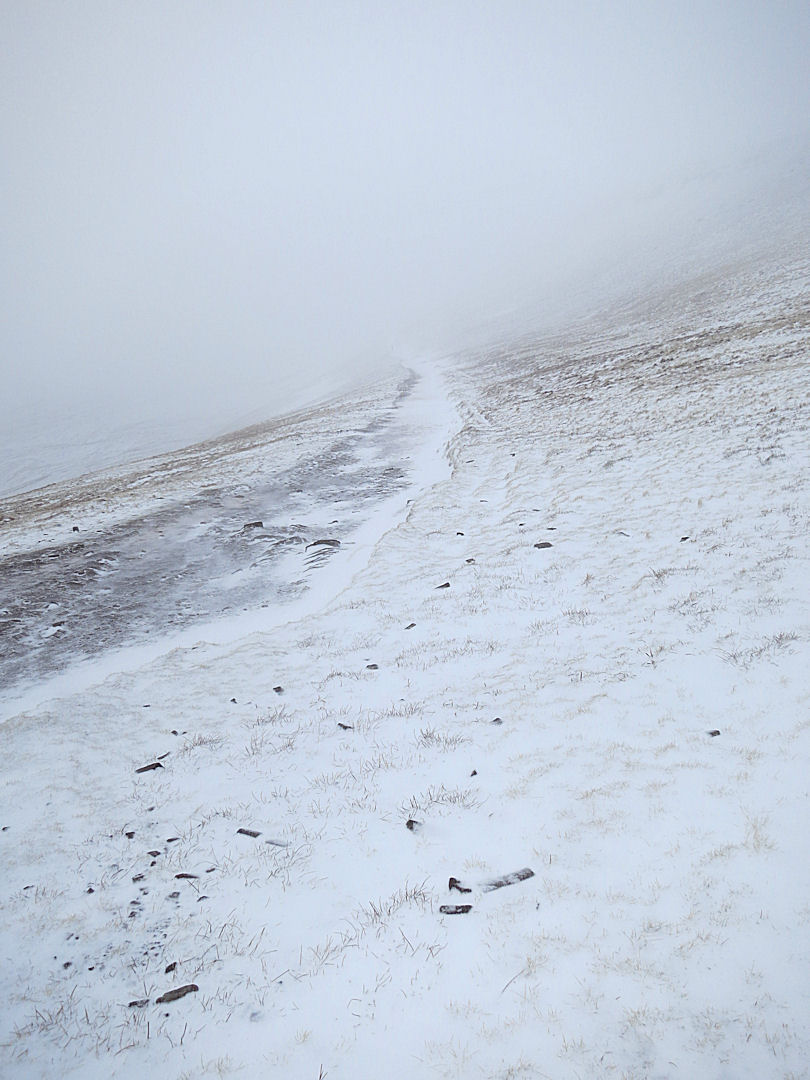
On the way up the sky was clear at first, Corn Du, the nearest of the two peaks at the top of the path, in sharp view.  Then cloud drifted over shrouding it and the temperature seemed to drop even more.  In the col exactly 2 miles and 52 minutes from the car park, the venturi effect accelerated the wind to ‘lean-on’ strength, the chill factor dropping the temperature to below -10 oC.   It was now cold enough to stop the battery in the camera from working, requiring a battery change with numb fingers .

As I fumbled I reflected on the last time I was up here.  A hot summer’s day with not a breath of wind.  A friend and I had carried our paragliders up, hoping that the long southwest-facing scarp, the highest ridge in the Brecon Beacons, would have enough wind to soar.  It had, just about.  We soared for a while, didn’t connect with any thermals to drag us further skyward, so then flew down to land close to the car, posing in the air for photographs as scores of people trudged up the path and stopped to ogle and click away.  That was some 20 years ago.  Another world, difficult to reconcile with Monday’s snow, ice and biting cold.

Once in the col the main effort was over, the final short section to the top of Pen-y-Fan, only about another half a mile and 50 metres higher, was easy going despite the ice and the howling wind.

As it gradually emerged from the poor visibility of the low freezing cloud, the summit of the mountain was something of a surprise.  Like all of the higher mountains in Britain the top had a trig point, once used for triangulation in the drawing of the very accurate Ordnance Survey maps.  They became redundant when satellite imagery took over the role.  Now only the occasional one is painted white and maintained by local enthusiasts, the rest are neglected.

But the trig point at the top of Pen-y-Fan has now gone.  The summit is instead marked by a stone-built cone topped by a National Trust plaque.  I may be a bit snobbish about this but it seems to me to detract from the dignity of a mountain top to have a stone-paved path up to it and a stone-built monument capping it.  However, one advantage of the stone construction is that it reduces the erosion caused by hundreds if not thousands of booted feet.  And the plaque gives the opportunity for a ‘selfie’ to send by MMS, i-phone or other techno-marvel.  “Look Mam, I’m on the top of a mountain”.  One guy was doing just that as I waited to take a photo of the plaque.

As I stood there, cooling off rapidly after the climb, I reflected on the number of times I climbed Cadair Idris in Snowdonia in even more extreme winter conditions.  The stone construction on the top of that mountain is a climbers’ hut, offering brief and very welcome respite from the wind and snow. The conical construction on Pen-y-Fan offers no shelter from the wind which simply wraps around it, again the venturi effect accelerating its speed.  The fine snow was swirled off the top which was almost bare.

Once the guy had finished his selfie I stayed on the top for about 15 minutes enjoying the solitude and nature in the rawest it gets around here.  The descent back to the car was rapid and easy thanks to the cleats, the air warming noticeably as I dropped down.

Only an hour from the car park, the top of the mountain was a totally different world, one which I hope to visit again.  But only in deep winter when it is cased in snow and ice.

The ford and the 'new' footbridge at the start of the path from the car park

The ford and the ‘new’ footbridge at the start of the path from the car park

Ice ans drifted snow across the path

Ice and drifted snow across the path

Corn Du sharply in view at the top of the path

Corn Du sharply in view at the top of the path

....... disappearing as cloud rolls across

……. disappearing as cloud rolls across

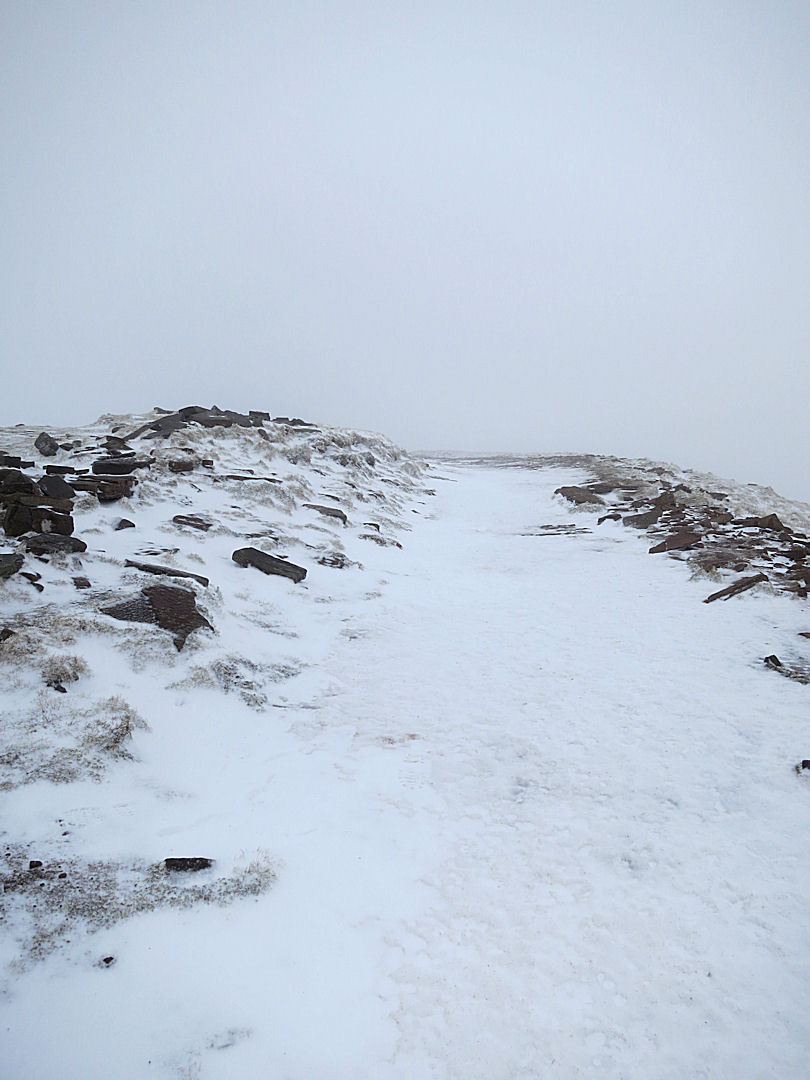
The last section up to the summit of Pen-y-Fan, completely frozen and iced

The last section up to the summit of Pen-y-Fan, completely frozen and iced

The 'new' stonebuilt cone topped by a National Trust plaque

The ‘new’ stone-built cone topped by a National Trust plaque

Fine snow being swirled off the top by strong wind

Fine snow being swirled off the top by strong wind

On the way down from the summit to the col, cloud thickening

On the way down from the summit to the col, cloud thickening

x

Posted in Hiking, Landscape, Mountains, Photography, Wales, Weather, Winter | Tagged , , , , , , , , , , , , | 2 Comments

Brecon Beacons: a frozen ridge-top walk

It has been grey and damp most days since I arrived home.  But not all.   A modest snowfall followed by a week of continuing low temperatures meant that when the sun was forecast to come out for a day I decided to walk up the ridge from Pontypool to Abergavenny.

Boggy ground has meant that it’s a walk which in recent years I have only tended to do either after a long dry spell in the summer or when the mountain top is frozen in winter.  With the effect of climate change in northern latitudes being a trend to weather dominated by grey and wet, temperatures a few degrees either side of zero in all seasons it’s a walk I nolonger do as regularly as I used to.  I prefer to trek the dry, barren mountains of the Greek islands or the snow-covered frozen mountains of the Canadian Rockies rather than squelching through the boggy Brecon Beacons.

But inactivity since I arrived back from the Rockies meant I forsook my personal crusade against the hairy bittercress which is trying to take over the vegetable garden and shot out of the front door with considerable alacrity and enthusiasm as soon as blue sky appeared.

The ridge is the southernmost tip of the Brecon Beacons National Park, the boundary reaching down from the ridge-line to the Abergavenny and Brecon Canal a thousand feet below.  The height difference is enough to ensure that temperatures in the valley struggling to reach a heady 2oC mid afternoon, have up there remained below freezing ever since I arrived home.

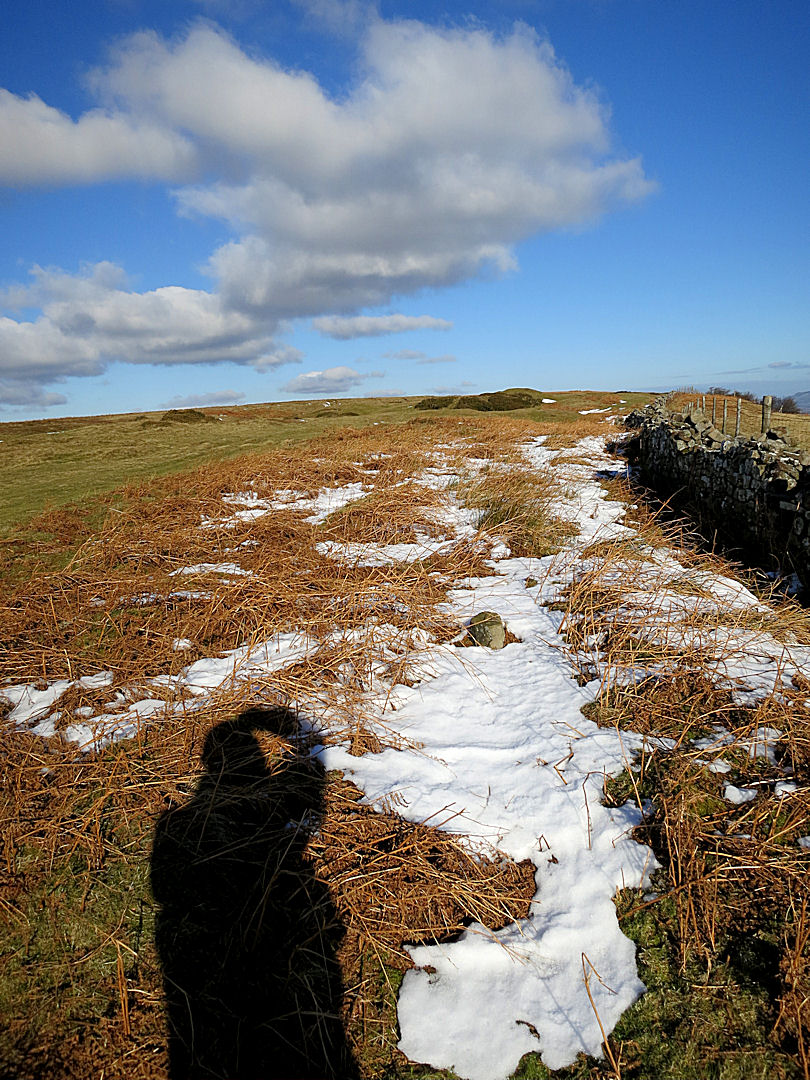
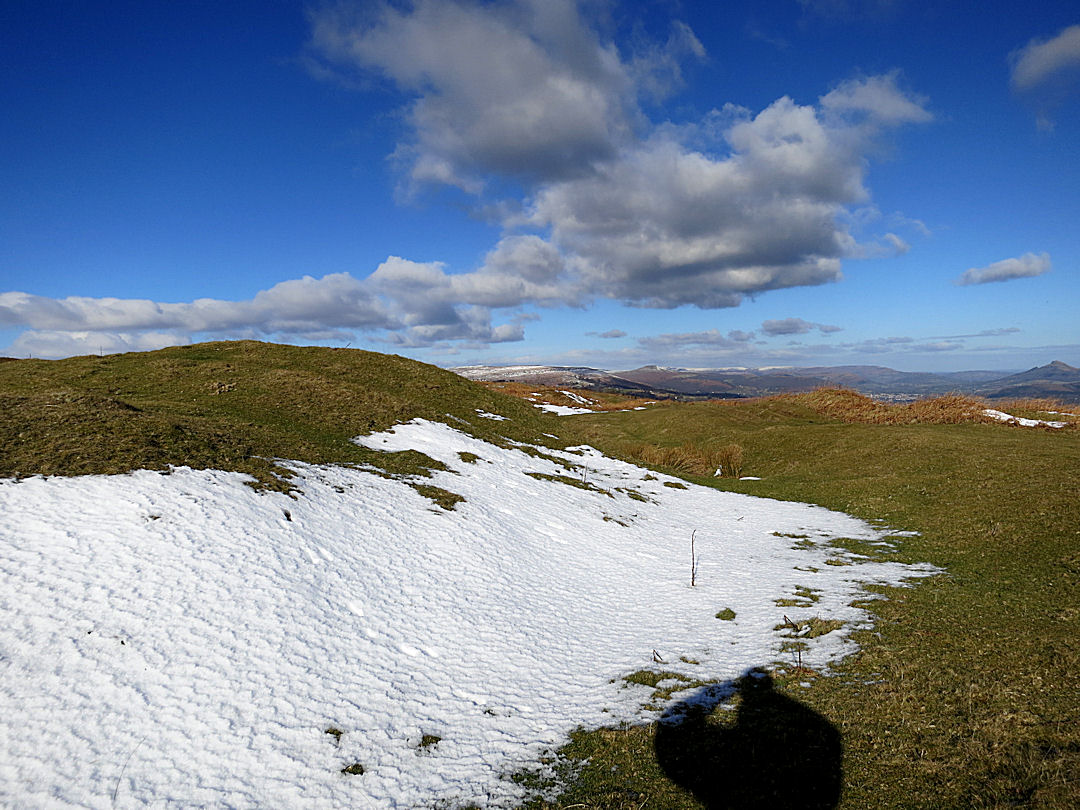
The result was a ridge-top with little snow still left but frozen hard, standing water from previous heavy rainfall with a crust of ice.  Snow persisted on east and north facing slopes and in the lee of stone walls but elsewhere the small amount which had fallen having been whipped off by strong winds.

Views are expansive: west across the other ridges separating the South Wales Valleys; northwest and north to the core area of the Brecon Beacons; northeast to the Malvern Hills; east to the ridge bordering the Wye Valley; south to the Severn Estuary with Somerset and Devon faint in the haze.

By far the most enticing view on the day was towards Pen-y-Fan and Corn Du, gleaming white with still a full covering of snow.  “Maybe tomorrow” I fantasised, but inwardly grimaced because I knew the sunshine was a ‘One Day Only’ offer.  The forecast for the next day and beyond was back to grey and damp. I consoled myself with the knowledge that I didn’t have to take the car out of the garage.  I had got to the ridge-top in half an hour from the house and then northwards along it the 13 miles to Abergavenny and saw on-one else the whole way.

Starting out under blue sky, deceptive but not yet Spring

Starting out under blue sky, deceptive but not yet Spring

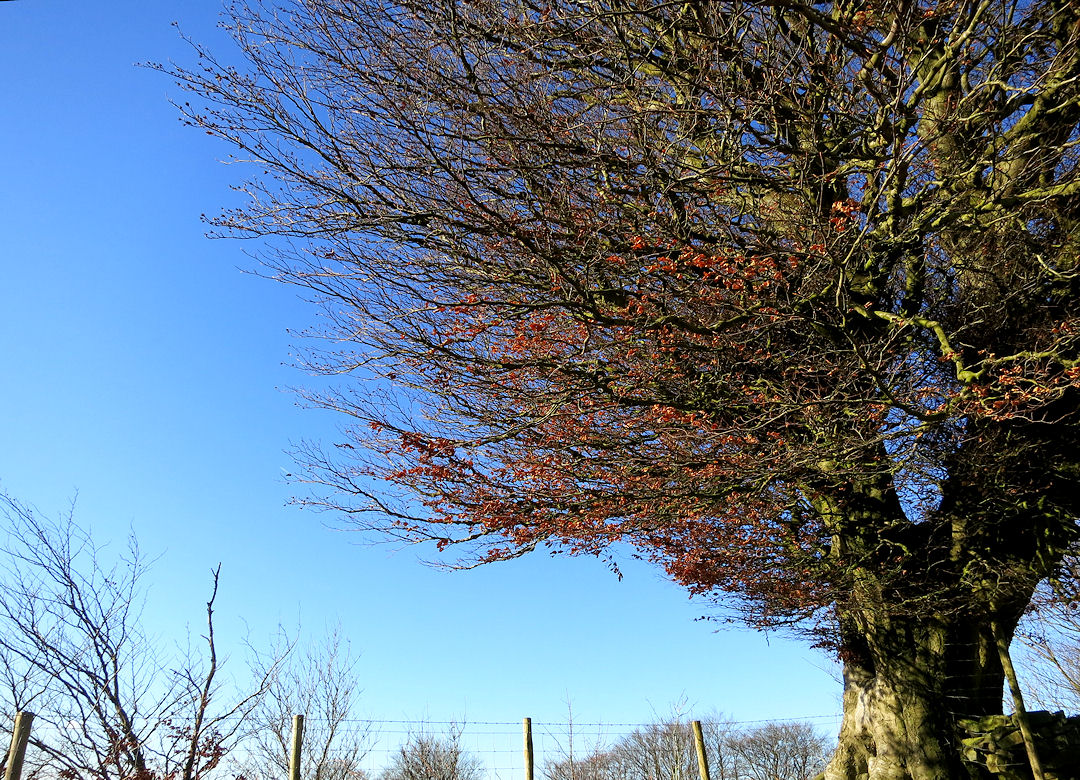
On way up to the top of the ridge a beech tree still clings onto its autumn leaves despite the wind

On way up to the top of the ridge a beech tree still clings onto its autumn leaves despite the wind

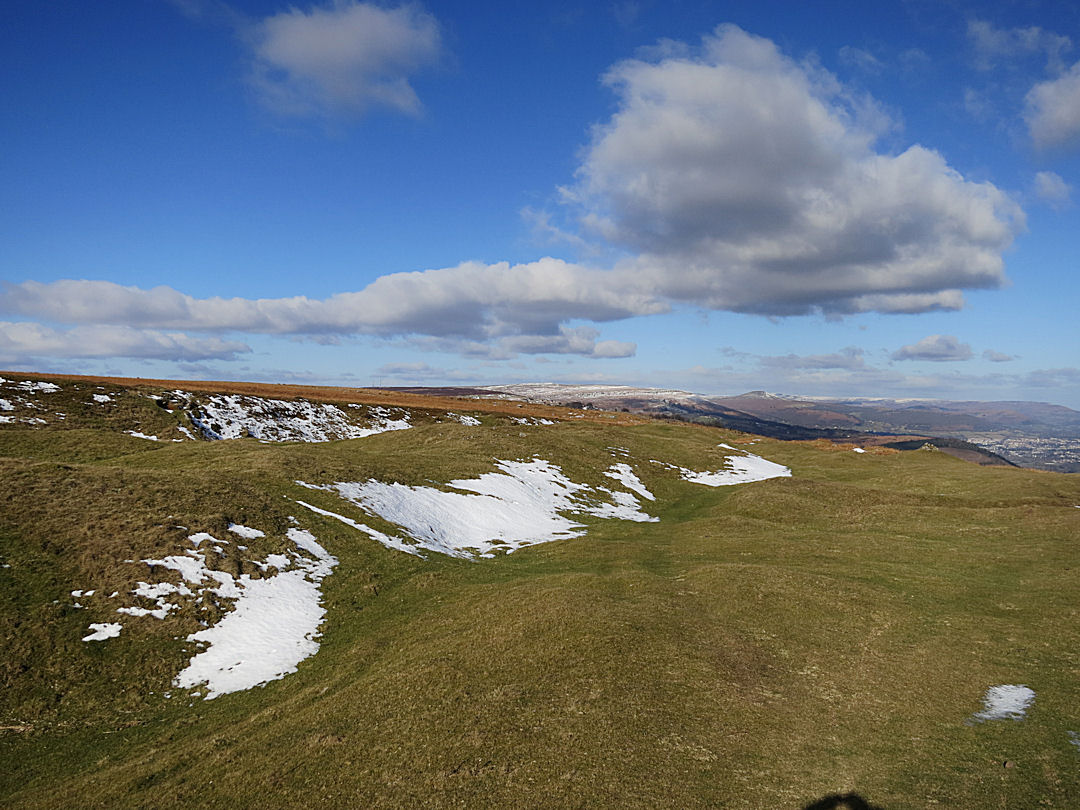
On the ridge top, carved up by illegal off-roading the ground is frozen hard, puddles crusted in ice.

On the ridge top, carved up by illegal off-roading the ground is frozen hard, puddles crusted in ice.

Remnant of snowdrift in the lee of a stone wall

Remnant of snowdrift in the lee of a stone wall

Zooming in on the core of the Brecon Beacons, enticing but miles away

Zooming in on the core of the Brecon Beacons, enticing but miles away

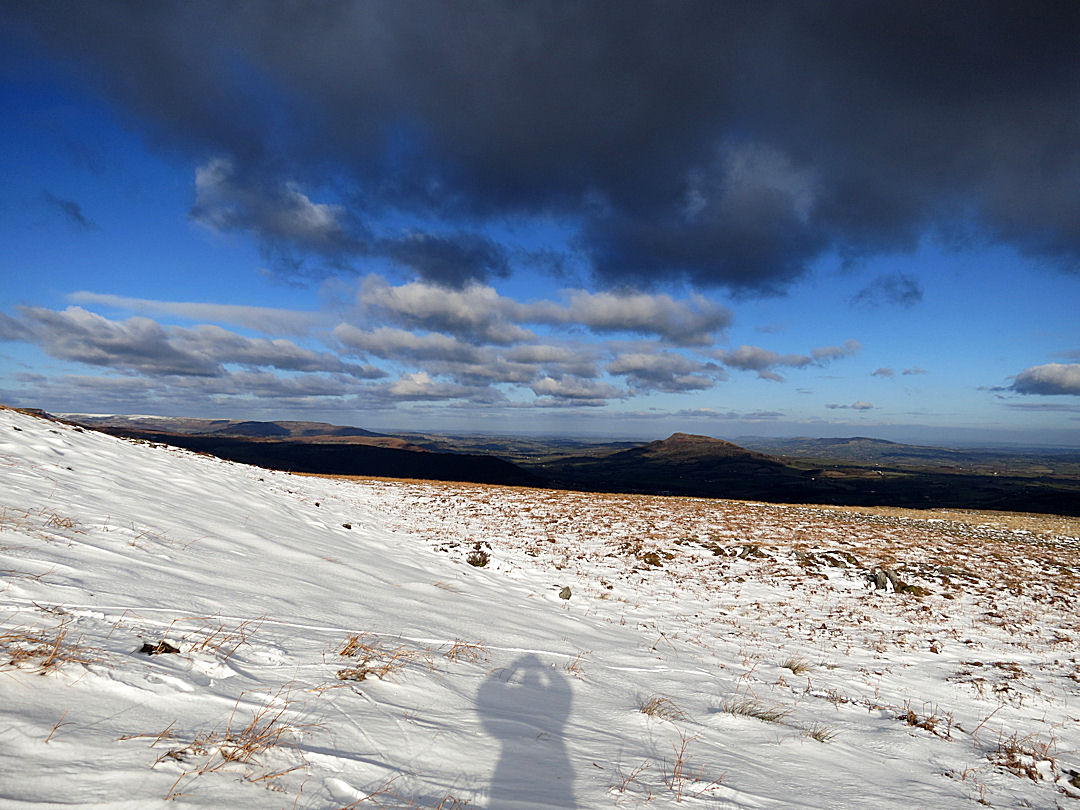
Remnant of snow on northeast facing slope

Remnant of snow on northeast facing slope

Snow ablated by sun and wind, small cumulus cloud marking the curving edge of the ridge

Snow ablated by sun and wind, small cumulus cloud marking the curving edge of the ridge

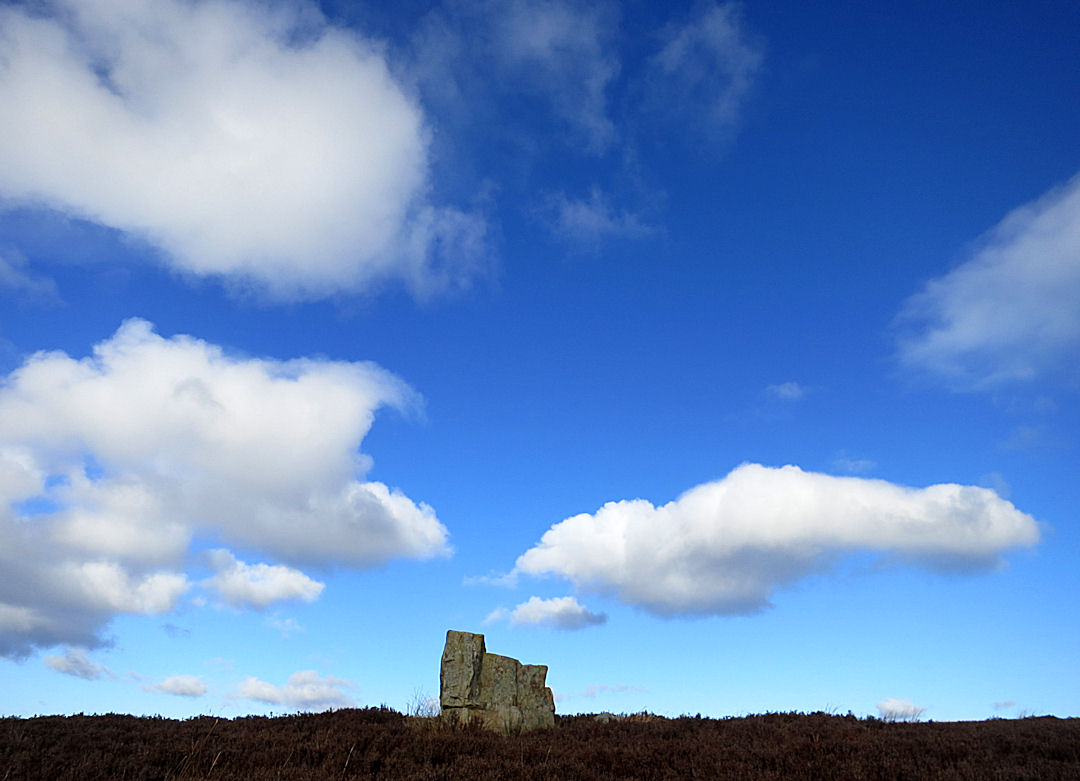
Solitary rock

Solitary rock

Black cloud coming over promising but not delivering more snow, dissipating in less than an hour

Black cloud coming over promising but not delivering more snow, dissipating in less than an hour

The north face of the Blorenge sees no sunshine at all in winter, very steep and icy, on the day difficult to negotiate safely

The north face of the Blorenge sees no sunshine at all in winter, very steep and icy, on the day difficult to negotiate safely

x

Posted in Grey Britain, Hiking, Landscape, Monmouthshire, Mountains, Photography, Pontypool, Wales, Weather | Tagged , , , , , , , | 4 Comments

Canadian Rockies: fiery peaks and blue sky farewell

I’m back in Grey Britain now having bid a nostalgic “au revoir” to Banff and the Rockies.  It was not sunny the whole time I was there, thankfully now and again clouds moved over from the west and dropped snow to refresh the ski slopes and hiking trails.  But there were a good number of blue sky days making for a memorable visit.

The day I flew home I finished my breakfast, went back to my third floor room looking out across the roofs of the town to the sun lighting up the clouds beyond the peaks and then headed straight out from the hotel with the camera.

As the sun rose above the mountains to the east it stopped flaming the clouds and gradually started to set the peaks to the west on fire.

I miss this place.

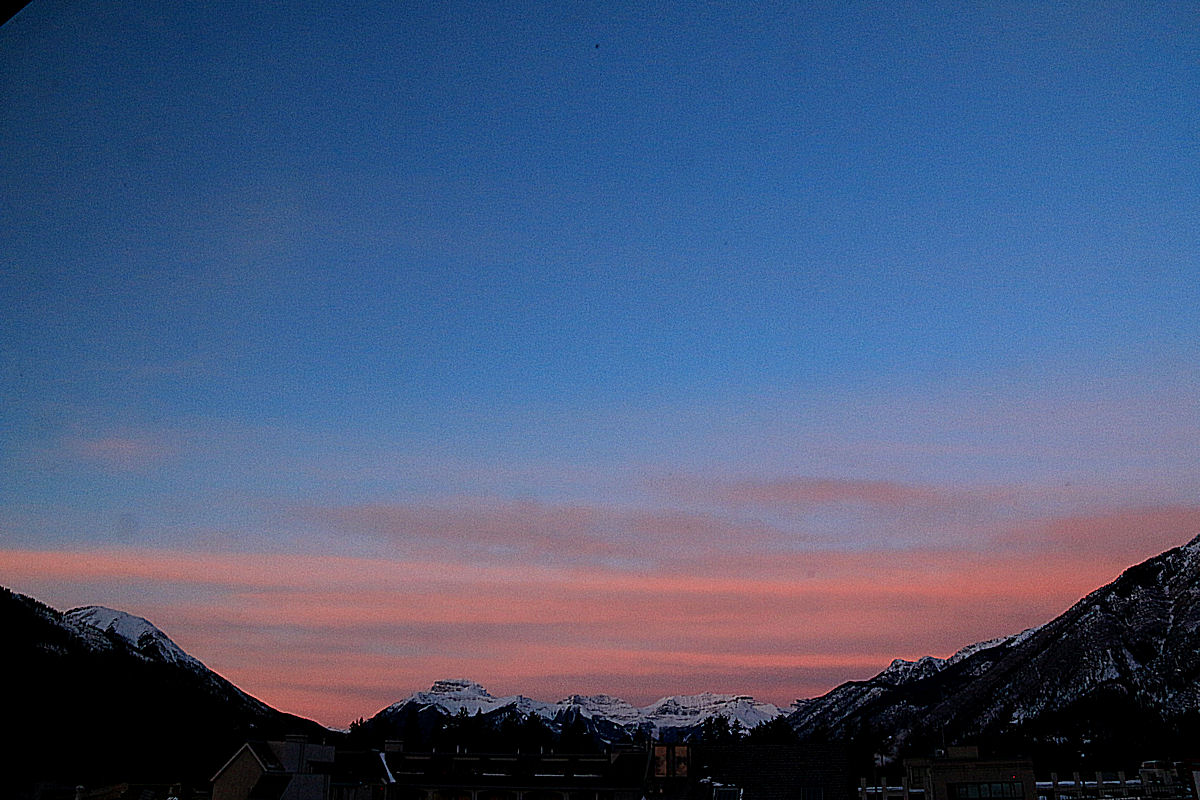
Looking across the rooftops of the town to the sun flaming the thin cloud strata

Looking across the rooftops of the town to the sun flaming the thin cloud strata

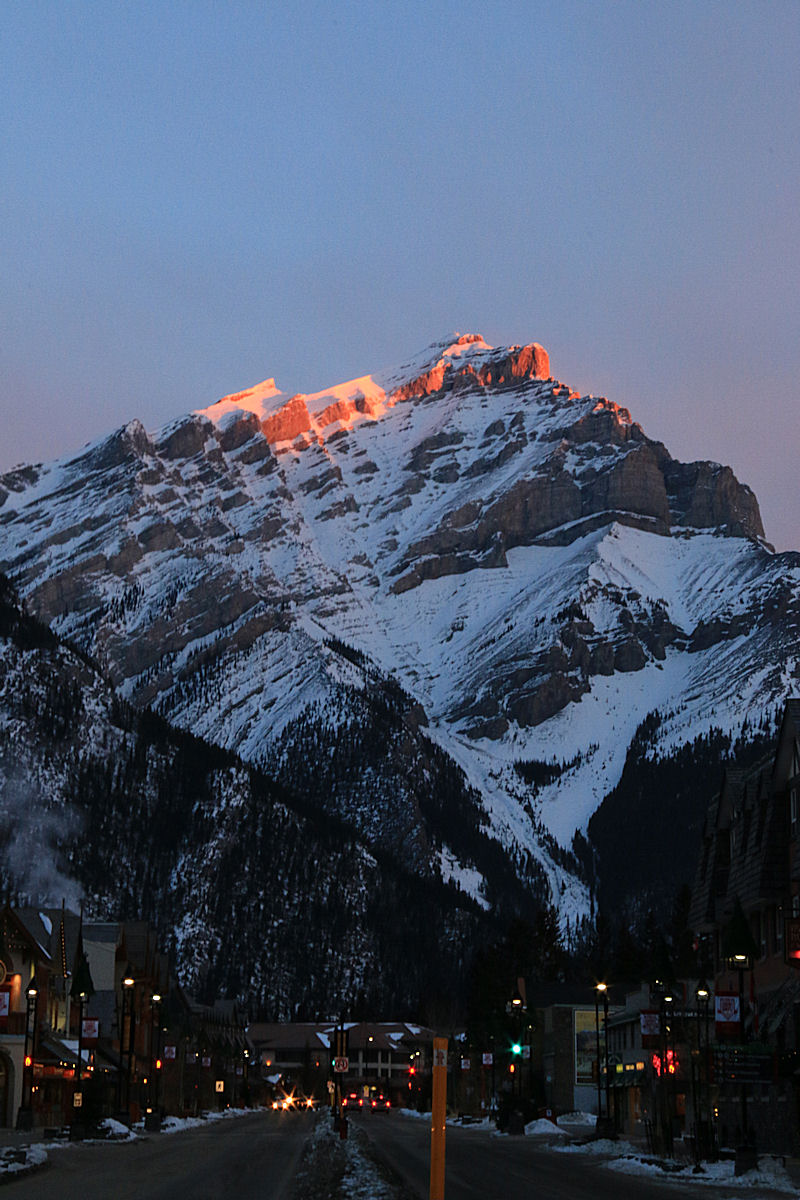
Cascade Mountain at the end of Banff Avenue

Cascade Mountain at the end of Banff Avenue

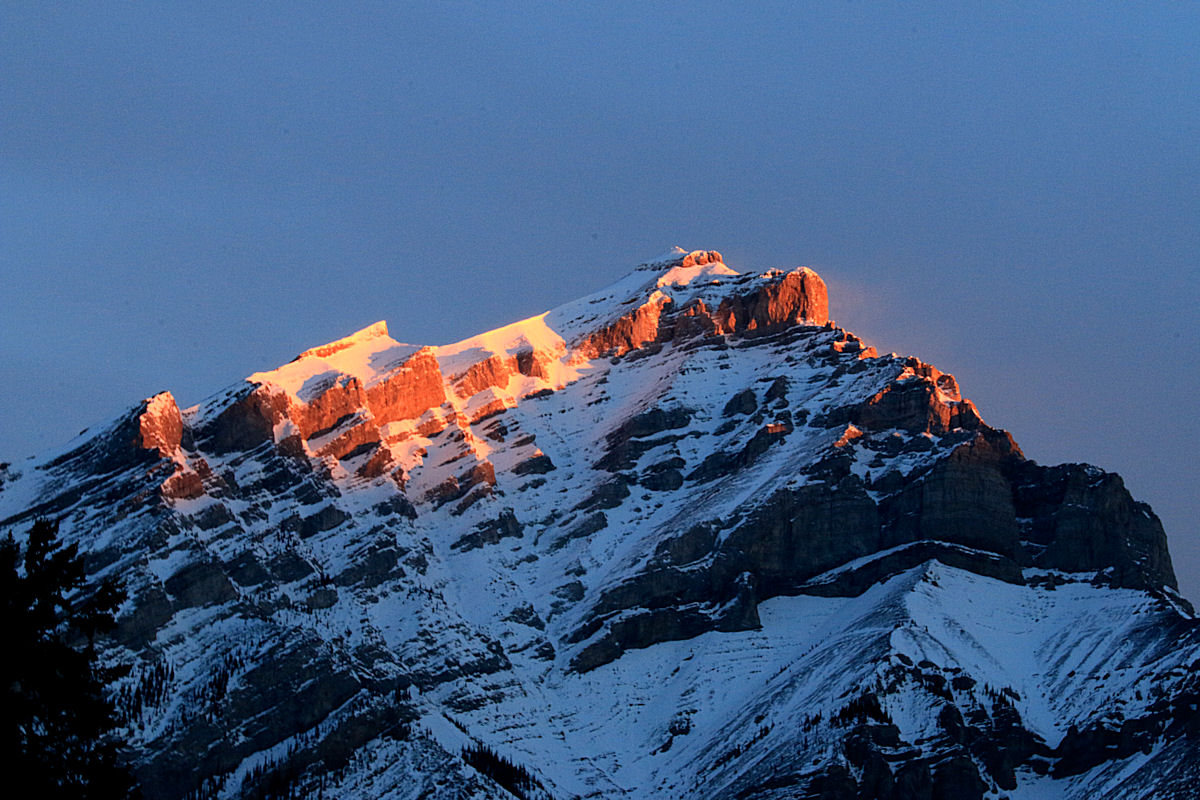
..... zooming in on the peak

….. zooming in on the peak

Strong winds blow the fine powder-snow off the peaks

Strong winds blow the fine powder-snow off the peaks

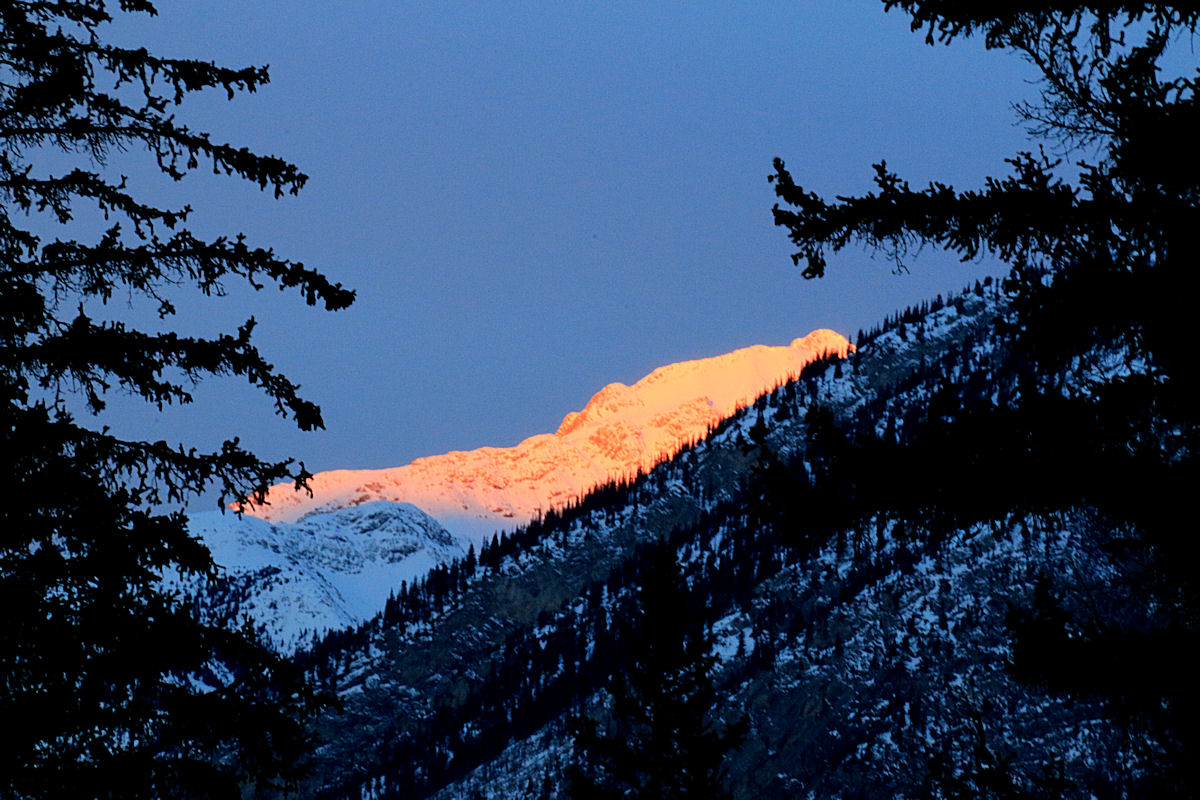
More and more peaks lit up

More and more peaks lit up

Fire gone from the cloud and now on the peaks of the Massive Range

Fire gone from the cloud and now on the peaks of the Massive Range

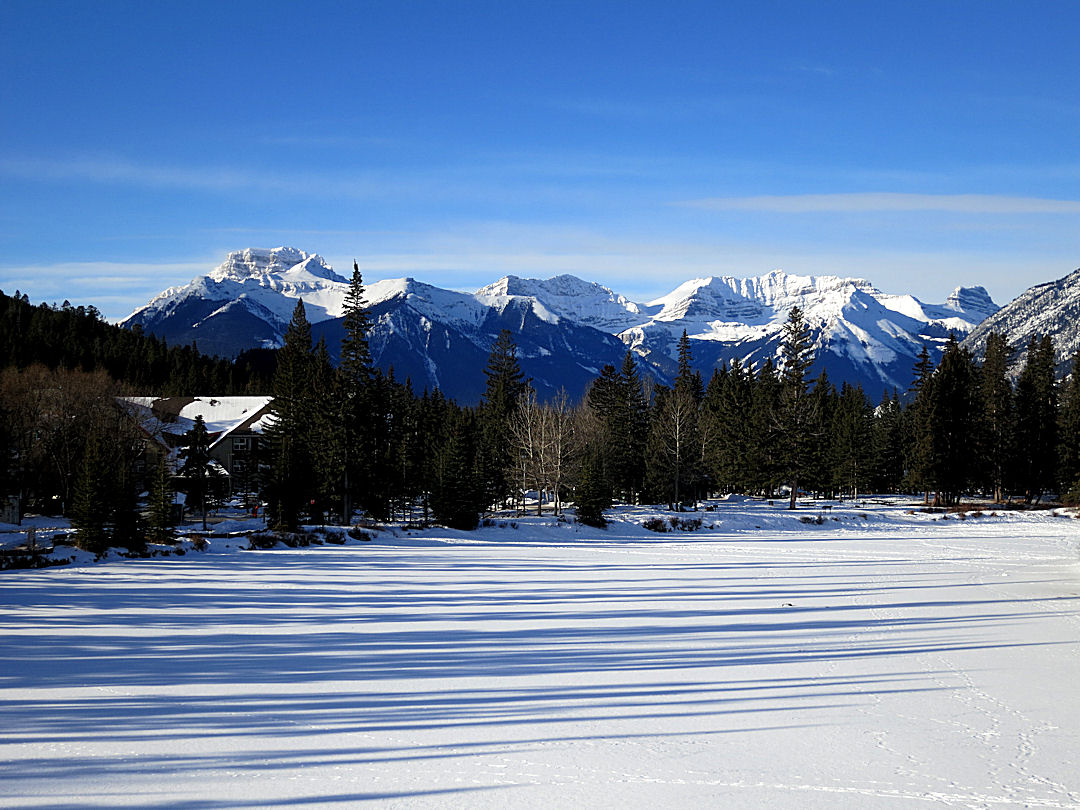
Long shadows on the frozen Bow River a couple of hours later, the fire gone out leaving crisp white and blue

Long shadows on the frozen Bow River a couple of hours later, the fire gone out leaving crisp white and blue

x

Posted in Canada, Landscape, Mountains, Photography, Winter | Tagged , , , , , , , , | 5 Comments